Hardwood takes more force, better control, and the right splitter type to turn stubborn rounds into usable firewood without wasting time or energy.
These 10 picks for 2026 cover compact kindling tools, portable electric units, and heavy-duty gas machines so you can match power to your woodpile.
Best 10 Log Splitters for Hardwood Picks for 2026
Kindling for Safer Fires

- Patented safety ring keeps hands away from the wedge
- 9-inch opening fits larger kindling pieces
- Single-piece cast iron build with no moving parts
Best For: Safer kindling splitting with extra capacity
Electric Power for Home Stacks

- 7-ton hydraulic force for firewood and hardwoods
- 15-amp electric motor with no gas or fumes
- Portable frame with wheels and two-hand safety control
Best For: Compact electric splitting for home firewood prep
Classic Safe Kindling Tool
Kindling Cracker Original 6.5in

- Patented safety ring for safer kindling splitting
- Compact 6.5-inch opening for routine fire-starting
- One-piece cast iron design with no maintenance
Best For: Compact kindling splitting indoors or outdoors
Budget Electric Splitting
BILT HARD 6.5 Ton Log Splitter

- 6.5-ton hydraulic pressure from a 15-amp motor
- Handles logs up to 20.5 inches long
- Two-hand controls and wheels for safer mobility
Best For: Moderate home splitting on a tighter budget
Compact Manual Splitter
Compact Cast Steel Firewood Tool

- Patented manual design for safer splitting
- Wide mouth and tall base handle longer logs
- Cast steel build with carrying handles
Best For: Campers and homeowners splitting kindling or smaller firewood pieces
Electric Home Splitter

- 6.5-ton force with 15 amp motor
- Two-hand safety controls and hydraulic ram
- Stand and wheels for easier yard use
Best For: Homeowners wanting cleaner, quieter firewood splitting
Heavy Manual Splitter
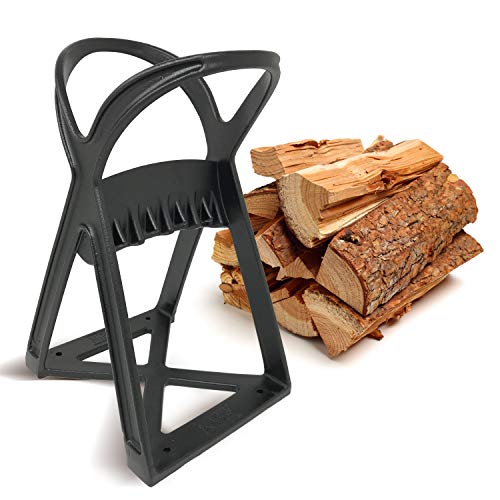
- No-blade design aims for safer splitting
- Wide mouth and slanted teeth reduce jams
- 12-pound cast steel body with bolt-down base
Best For: Users wanting a sturdier manual tool for kindling and moderate firewood
Quiet Corded Helper
PROYAMA 7T Electric Log Splitter

- 7-ton electric motor with cross wedge
- Splits logs up to 10" x 20.5"
- No fumes, quieter operation
Best For: Small to medium hardwood splitting at home
Portable Gas Power
SuperHandy 20 Ton Log Splitter

- 20-ton gas system with 7HP engine
- Fits logs up to 16" diameter and 20" long
- Portable frame with 10" wheels
Best For: Portable off-grid splitting of larger hardwood logs
Fast Hardwood Cutter

- 20-ton ram with 209CC 7HP engine
- 8-second cycle for faster output
- Built for hardwood and knotty logs
Best For: Fast splitting of tough hardwood with fewer pauses
Kindling for Safer Fires – Kindling Cracker King XL 9in
If you want a safer way to make kindling for wood heat or campfires, this log splitter for hardwood setups is built around control rather than force. The King XL uses a fixed cast iron wedge and a wide safety ring, so you can split smaller pieces without swinging an axe.
Best For: Users who want a safer, low-effort kindling splitter with extra capacity for larger logs.
Pros:
- Patented cast iron safety ring keeps hands away from the wedge
- XL 9-inch opening handles logs about 40% larger than the original model
- Single-piece Australian cast iron construction with no moving parts
- Works with a mallet, hammer, or another piece of wood
Cons:
- Designed for kindling, not full-size firewood splitting
- Requires manual striking to do the work
For buyers focused on safer kindling prep, this is a straightforward, durable tool that trades power for simplicity. It is a strong fit when you want repeatable results and less strain at the stack.
Electric Power for Home Stacks – PPOLB 7 Ton Electric Splitter
For homeowners comparing log splitters for hardwood, this electric model aims at steady, repeatable splitting without gas or fumes. The 7-ton hydraulic system and 15-amp motor make it a practical option for backyard, garage, or cabin firewood work.
Best For: Home users who want an electric splitter for regular firewood prep in a compact footprint.
Pros:
- 7-ton hydraulic force for firewood and hardwoods like oak and maple
- 15-amp, 1500W copper motor for steady torque and faster cycles
- Handles logs up to 21.2 inches long and 12 inches in diameter
- Two-hand safety control, overload protection, and transport wheels
Cons:
- Best suited to home use rather than heavy commercial splitting
- Requires access to electric power
This is a sensible middle-ground choice if you want hydraulic splitting in a smaller package. It emphasizes portability, safety, and consistent cycle performance more than raw jobsite power.
Classic Safe Kindling Tool – Kindling Cracker Original 6.5in
If your goal is clean kindling for a stove, fireplace, or fire pit, this is one of the simplest log splitters for hardwood kindling tasks. The Original Kindling Cracker uses a fixed cast iron wedge and safety ring, so you can split small pieces without a swinging blade.
Best For: Anyone who wants a compact, low-maintenance kindling splitter for regular fire-starting.
Pros:
- Patented safety ring keeps hands clear of the splitting wedge
- Requires much less force than a standard axe
- One-piece Australian cast iron build with no welds or moving parts
- Can be mounted or used freestanding indoors or outdoors
Cons:
- 6.5-inch opening is smaller than the King XL version
- Not intended for splitting full-size firewood rounds
This classic model makes sense if you want dependable kindling production without extra complexity. It is compact, durable, and geared toward routine fire-starting rather than large splitting jobs.
Budget Electric Splitting – BILT HARD 6.5 Ton Log Splitter
When you need a practical electric option among log splitters for hardwood, this 6.5-ton horizontal unit focuses on straightforward home firewood work. Its 15-amp motor, hydraulic ram, and compact frame make it a workable choice for smaller splitting sessions.
Best For: Budget-minded users who want a compact electric splitter for moderate home firewood jobs.
Pros:
- 6.5-ton splitting pressure from a 15-amp motor
- Handles logs up to 20.5 inches long and 9.8 inches in diameter
- Two-hand controls and electric operation for safer, quieter use
- Transport wheels make it easier to move around a yard or garage
Cons:
- Lower capacity than the 7-ton model in this roundup
- Requires a suitable electrical setup and extension-cord limits
This splitter is a solid pick if your needs are occasional to moderate and you value portability over maximum force. It keeps the layout simple while still offering hydraulic assistance for routine firewood prep.
Compact Manual Splitter – Compact Cast Steel Firewood Tool
If you want log splitters for hardwood that are safer and simpler than swinging an axe, this manual wedge-style tool is built for making kindling and handling smaller firewood jobs with less effort. Its wide mouth, tall base, and angled teeth are designed to help guide logs through the split while reducing jams.
Best For: Campers, cottage users, and homeowners who want a compact manual splitter for kindling and manageable firewood pieces.
Pros:
- Patented design emphasizes safety and minimal labor
- Wide mouth and tall base help with longer and thicker logs
- Cast steel construction with all-weather coating for durability
- Handles make it easier to carry to different locations
Cons:
- Manual operation still requires physical effort
- Best suited to kindling and smaller splitting tasks, not large-volume processing
- Needs stable anchoring for the most secure setup
This is a practical choice if you value portability, durability, and a straightforward way to split firewood without power. It’s more of a compact utility splitter than a high-output hardwood machine.
Electric Home Splitter – 6.5-Ton Electric Log Machine
For buyers comparing log splitters for hardwood, this electric model brings powered splitting force to a home-friendly setup. The 15 amp motor and hydraulic ram are designed to handle logs up to 9.8 inches in diameter and 20.5 inches long, while the stand and wheels make it easier to use around the yard.
Best For: Homeowners who want an electric splitter for regular firewood processing without gas fumes or manual strain.
Pros:
- 6.5-ton splitting force for tougher logs
- Two-hand safety controls add operator protection
- Fast-cycling hydraulic ram speeds up splitting
- Stand and transport wheels improve comfort and mobility
Cons:
- Requires a standard 120V outlet and recommended 40-amp circuit breaker
- Limited by its maximum log size
- Heavier unit than a manual splitter
This is a solid fit if you want cleaner, quieter operation and faster throughput than hand tools can deliver. It’s designed for practical home firewood work rather than portability or very large logs.
Heavy Manual Splitter – Cast Steel Kindling Cracker
If you need log splitters for hardwood that focus on safety and straightforward kindling production, this manual cast-steel splitter is built for minimal-labor splitting without an axe or blades. Its wide mouth, tall base, and slanted teeth are intended to help process wider and longer logs with less jamming.
Best For: Users who want a heavier manual splitter for consistent kindling work and occasional firewood splitting.
Pros:
- Patented design with no dangerous blades
- Wide mouth and slanted teeth help reduce jams
- 12-pound cast steel build feels solid and durable
- Base can be bolted down for added stability
Cons:
- Still requires manual force to operate
- Bulkier and heavier than the smaller version
- Best for kindling and moderate splitting, not high-volume use
This option makes sense if you prefer a sturdier manual tool with a more substantial feel. It trades portability for extra mass and stability, which can be helpful when splitting repetitive loads by hand.
Quiet Corded Helper – PROYAMA 7T Electric Log Splitter
If you want log splitters for hardwood that stay simple, clean, and manageable, this PROYAMA electric model is built for home firewood jobs rather than heavy-duty field work. Its 7-ton, 15A motor can split logs up to 10 inches in diameter and 20.5 inches long, and the cross wedge helps make the most of each pass.
Best For: Homeowners who want a quieter, emissions-free splitter for smaller hardwood logs and occasional firewood work.
Pros:
- Electric design produces no smog, fumes, or exhaust.
- 7-ton, 2700W motor handles logs up to 10″ wide and 20.5″ long.
- Two-hand controls add a safety-focused operating setup.
- 5.5-inch never-flat wheels and onboard handle improve transport.
Cons:
- Lower capacity than gas models for larger hardwood rounds.
- Requires access to electrical power.
Overall, this is a practical pick if your hardwood splitting is mostly at home and you value cleaner operation over maximum brute force. The included stand option and wheel setup also make it easier to store and move between jobs.
Portable Gas Power – SuperHandy 20 Ton Log Splitter
Among log splitters for hardwood, this SuperHandy gas model is aimed at users who need portability and stronger splitting force without being tied to an outlet. Its 20-ton rated system, 7HP engine, and 2-stage Bucher hydraulic gear pump are designed for logs up to 16 inches in diameter and 20 inches long.
Best For: Users who need a portable gas splitter for larger hardwood logs and off-grid use.
Pros:
- 20-ton rated system with a 7HP gas engine.
- Handles logs up to 20″ long and 16″ in diameter.
- Rapid auto return helps keep splitting moving.
- 10″ transport wheels make it easier to move site to site.
Cons:
- Gas powered and meant for outdoor use with ventilation.
- Hydraulic fluid is not included.
This model makes sense if your hardwood piles are large and you want more flexible placement than an electric unit can offer. The fast cycle time and portable frame help it fit well for forestry, yard, or remote-firewood work.
Fast Hardwood Cutter – Gas Log Splitter 20 Ton 7HP
If you’re comparing log splitters for hardwood and want a fast-cycle gas option, this 20-ton model is built for speed as much as force. It uses a 209CC 7HP engine, a dual-stage aluminum gear pump, and an 8-second cycle time to process logs up to 20.5 inches long and 16 inches wide.
Best For: Buyers who want a quick-cycling gas splitter for tough hardwood and knotty logs.
Pros:
- 20-ton hydraulic ram is designed for hardwood and knotty logs.
- 8-second cycle time supports high output.
- Auto-return detent valve reduces downtime between splits.
- 10-inch pneumatic tires help with yard or farm mobility.
Cons:
- Requires gasoline, engine oil, and hydraulic oil before use.
- Gas operation is best suited to outdoor work.
This is a strong fit if you want to get through a lot of hardwood quickly and don’t mind the setup needs of a gas machine. The faster cycle and high-pressure hydraulic design make it especially appealing for denser, more stubborn logs.
How We Picked These Log Splitters for Hardwood
We focused on split force, splitter style, portability, safety features, and how well each design fits real hardwood use. For tougher species like oak, hickory, and maple, the best choice is usually the model that balances power with stability and cycle speed.
We also looked at whether the machine is better suited for kindling, medium rounds, or larger logs, since Log Splitters for Hardwood are not one-size-fits-all.
Quick Comparison: Manual, Electric, and Gas
Manual wedge-style tools are best for small rounds and kindling, especially when you want a quiet, low-maintenance option. Electric splitters are a strong middle ground for homeowners who need cleaner operation and moderate power. Gas models are the heavy hitters, delivering the most muscle for dense hardwood and larger diameter logs.
If you split occasionally, a compact manual or electric unit may be enough. If you process cords of wood regularly, gas and higher-tonnage hydraulic machines are usually worth the added cost and storage space.
Key Buying Factors for Log Splitters for Hardwood
Splitting Force
Hardwood demands enough tonnage to open dense grain without repeated jams. For light duties, lower-ton electric models can work on smaller, straighter rounds. For larger or knotty pieces, look for more force and a faster reset cycle.
Log Size and Orientation
Check the maximum log length and diameter your splitter can handle. Horizontal machines are common for portability and safer loading at home, while bigger beam-style units are better when you need to move heavier rounds.
Power Source
Electric splitters are cleaner, quieter, and easier to maintain, making them ideal for garages and suburban use. Gas splitters offer more power and mobility away from outlets, but they require fuel, engine care, and more noise tolerance.
Safety and Control
Look for stable stands, two-handed operation, and a design that keeps your hands away from the splitting path. With hard woods, consistent control matters as much as raw power because misaligned rounds can bind or shift.
Who Should Buy Which Log Splitters for Hardwood?
If you mainly need kindling, a manual splitter is simple, affordable, and reliable. If you process a few face cords each season, a 6.5 to 7 ton electric machine is often the sweet spot. If you split large, dense hardwood often or want the fastest workflow, step up to a 20-ton gas model.
The best choice is the one that matches your wood type, volume, and workspace. For many buyers, that means choosing the least complicated machine that can still handle your hardest logs comfortably.