Cold water, spray, wind, and sudden weather can turn a productive fishing trip into an uncomfortable or unsafe outing. The right dry suit helps you stay protected while keeping mobility intact for casting, launching, and moving around a boat or shoreline.
Our 2026 roundup covers full dry suits, semi-dry designs, neoprene options, and chest waders so you can match coverage and insulation to your fishing environment.
Best 10 Dry Suits for Fishing Picks for 2026
Best Feature-Rich Kayak Drysuit

- Waterproof breathable three-layer laminate
- Front-entry and relief zippers
- Reinforced knees, seat, and sock soles
Best For: Kayaking, paddling, rafting, and cold-water sports
Best Cold-Water Neoprene Option
Hollis NeoTek V2 Semi-Dry Suit
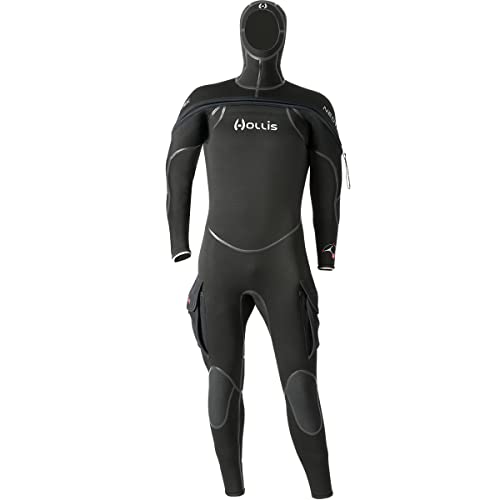
- Thick 8/7/6mm neoprene construction
- ThermaSkin inner liner
- Internal dams at neck, wrists, and ankles
Best For: Cold-water scuba diving
Best Offshore Sailing Protection

- Waterproof breathable and windproof three-layer fabric
- Taped seams and YKK Aquaseal front zipper
- Reinforced knees, seat, and durable fabric socks
Best For: Offshore sailing and boat-based fishing
Lightweight Protection
Men's Lightweight Fishing Dry Suit

- Three-layer waterproof breathable nylon shell
- Adjustable seals and front-entry waterproof zipper
- Integrated socks and multiple storage pockets
Best For: Cold-water fishing and other full-coverage water activities
Neoprene Performance
O'Neill Men's Fluid 3mm Drysuit

- 3mm Fluid Flex foam neoprene construction
- Dry seals and fluid seam weld body
- Loose upper with performance lower fit
Best For: Boating and cold-water full-body coverage
Cold-Water Versatility
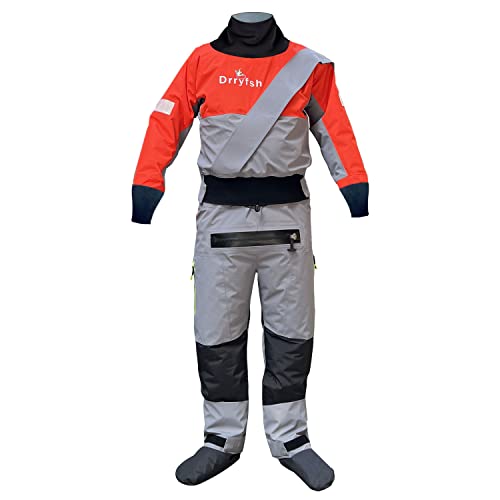
- Lightweight nylon-neoprene fabric blend
- Neoprene gaskets and zipper closure
- Stretch fit for varied water activities
Best For: Fishing, sailing, paddling, and onboard cold-water work
Rugged Lightweight Pick
Bare Aqua Trek Tech Dry Drysuit

- Four-layer CORDURA nylon Oxford fabric
- Reinforced critical-wear seams
- Fitted, medium-stretch construction
Best For: Anglers wanting a reinforced fitted drysuit
Cold-Water Value Choice
Men's Front-Zip Waterproof Dry Suit

- Breathable three-layer waterproof fabric
- Integrated waterproof socks and latex gaskets
- Reinforced knees and seat
Best For: Cold-water anglers and paddlers needing full coverage
Insulated Diving Option
Waterproof Quick Dry Suit for Men
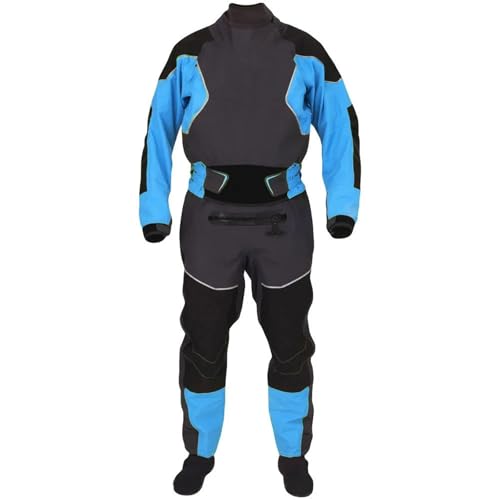
- Three-layer neoprene construction
- Thermal insulation for cold water
- Designed for flexible underwater movement
Best For: Divers and anglers needing insulated water protection
Best Lightweight Wader Value – TIDEWE Chest Waders
For anglers comparing dry suits for fishing, these TIDEWE chest waders offer lightweight waterproof coverage for wading, fishing, hunting, and outdoor work. Their 420D two-ply nylon/PVC construction, taped seams, and welded boot attachments are designed to help keep water and dirt out without the bulk of traditional rubber waders.
Best For: Anglers who want lightweight chest waders with built-in storage and adjustable fit features.
Pros:
- Waterproof 420D two-ply nylon/PVC construction with taped seams.
- 35% lighter than traditional rubber waders to help reduce fatigue.
- Adjustable H-back suspenders, quick-release buckles, chest pocket, boot hanger, and waterproof phone case included.
Cons:
- Low-stretch fabric may feel less flexible than stretch-based suits.
- Boot sizing may require sizing up for wide feet or thick socks.
- Hand-wash care may require extra maintenance.
The TIDEWE is a practical choice when lightweight wading coverage matters more than a full-body dry-suit design. Check the sizing guidance carefully, especially if you plan to layer heavily.
Best Feature-Rich Kayak Drysuit – Drryfsh Relief-Zipper Drysuit
Among dry suits for fishing and other cold-water activities, this Drryfsh suit stands out for its waterproof three-layer laminate, sealed seams, and relief zipper. It is designed for kayaking, sailing, paddling, rafting, and similar water sports, with reinforced areas for repeated contact with equipment.
Best For: Paddlers and water-sports users who want a breathable full drysuit with convenient access and storage.
Pros:
- Three-layer waterproof, breathable fabric with three-layer taped seams.
- Waterproof front-entry zipper plus a men’s relief zipper.
- 600D nylon reinforcements at the knees, seat, and sock soles.
- Self-draining pockets and reflective shoulder patches add practical utility.
Cons:
- Latex neck and wrist gaskets may not suit users sensitive to latex.
- The fabric has no stretch, which may limit mobility for some users.
- Hand-wash care is less convenient than machine-washable options.
This is a versatile technical drysuit for active cold-water use, especially when relief access, reinforced wear zones, and visibility features are priorities. Its relaxed fit and non-stretch construction make sizing worth checking before purchase.
Best Cold-Water Neoprene Option – Hollis NeoTek V2 Semi-Dry Suit
For divers considering dry suits for fishing or cold-water immersion, the Hollis NeoTek V2 provides thick neoprene coverage in a hooded semi-dry design. Its 8/7/6mm neoprene combination is paired with a ThermaSkin liner and internal dams at the neck, wrists, and ankles.
Best For: Cold-water scuba divers who prioritize thick neoprene insulation and hooded coverage.
Pros:
- Thick 8/7/6mm neoprene helps provide substantial cold-water coverage.
- Compression-resistant and super-stretch neoprene are combined by zone.
- ThermaSkin inner liner and internal neck, wrist, and ankle dams.
- Horizontal G-lock front zipper with internal bib.
Cons:
- This is a semi-dry scuba suit rather than a fully waterproof fishing drysuit.
- The listed XX-Large/X-Large sizing information may limit availability.
- Thick neoprene can be bulkier than lightweight fabric drysuits.
The NeoTek V2 is better suited to scuba-focused cold-water use than general fishing. Choose it when neoprene insulation and integrated hooded coverage are more important than lightweight packability.
Best Offshore Sailing Protection – Men's Pro Drysuit
For anglers and sailors seeking dry suits for fishing in harsh conditions, the Men’s Pro Drysuit combines waterproof breathable fabric with windproof protection. Its taped seams, waterproof YKK Aquaseal front zipper, reinforced seat and knees, and durable fabric socks are built for demanding offshore and inshore use.
Best For: Offshore sailors, boat-based anglers, and users needing full waterproof protection in spray or immersion conditions.
Pros:
- Three-layer waterproof breathable XPLORE+ fabric with PFAS-free water repellent treatment.
- Fully taped seams and waterproof front zipper with storm flap.
- Reinforced knees and seat plus abrasion-resistant fabric socks.
- Adjustable suspenders, stretch waist, and low-profile thigh cargo pocket.
Cons:
- Regular fit and structured seals may require careful fitting for comfort.
- Glideskin neck and cuff seals may need custom trimming.
- The listed version is size X-Large, limiting choice for other body sizes.
This suit is a strong match for exposed marine environments where wind, spray, and durability are central concerns. It offers more complete protection than chest waders, while the reinforced construction supports long days on deck.
Lightweight Protection – Men's Lightweight Fishing Dry Suit
If you need dry suits for fishing in cold or wet conditions, this lightweight one-piece option emphasizes waterproof coverage without a bulky feel. Its three-layer nylon shell, adjustable seals, front-entry zipper, and integrated socks make it suited to extended water activity.
Best For: Cold-water fishing, paddling, boating, and rafting where full waterproof coverage and low weight matter.
Pros:
- Three-layer waterproof, breathable nylon shell is designed for durability and abrasion resistance.
- Adjustable latex neck and wrist seals, waist webbing, and hook-and-loop cuffs help customize the fit.
- Waterproof front-entry zipper, integrated three-ply socks, and multiple pockets add practical functionality.
Cons:
- Latex components may not suit users with latex sensitivities.
- The listed X-Large has a relaxed fit and runs slightly large, so sizing deserves attention.
- It is a no-stretch garment, which may feel less flexible than a neoprene suit.
This is the most comprehensive choice of the three for anglers who want a lightweight, fully featured dry suit. Check the measurements carefully, particularly if you prefer a closer fit.
Neoprene Performance – O'Neill Men's Fluid 3mm Drysuit
For anglers comparing dry suits for fishing with a neoprene construction, the O’Neill Men’s Fluid uses 3mm Fluid Flex foam neoprene and a full-body design. Its dry seals and fluid-seam weld construction focus on waterproof performance, while the loose upper and performance lower fit support movement.
Best For: Boating and cold-water activities for users seeking a 3mm neoprene full-body suit.
Pros:
- 3mm Fluid Flex foam neoprene provides the suit’s primary construction.
- Dry seals and 100% waterproof construction are designed to help keep water out.
- Loose upper and performance lower fit balance room with a more athletic lower fit.
Cons:
- Only the listed X-Large measurements are provided: 43.5–46-inch chest, 35–37-inch waist, and 5’11″–6’1″ height.
- The 3mm neoprene construction may feel less lightweight than a thin nylon-shell suit.
- The supplied details identify boating as the sport type, so fishing-specific features are not listed.
This suit is a straightforward neoprene option for buyers who prioritize dry seals and full-body coverage. Confirm the sizing range before ordering, since fit is especially important in a performance suit.
Cold-Water Versatility – Men's Semi-Dry Fishing Suit
This semi-dry suit is a practical option for shoppers looking at dry suits for fishing, sailing, and other cold-water work. Its lightweight 80% nylon and 20% neoprene fabric, regular stretch fit, and neoprene gaskets are aimed at combining coverage with easier movement.
Best For: Fishing, sailing, paddling, boating, and onboard work in cold water when semi-dry coverage is appropriate.
Pros:
- Lightweight 80% nylon and 20% neoprene fabric offers a relatively low-weight construction.
- Neoprene gaskets are included for the listed version.
- Regular, stretch fit and zipper closure support everyday usability across several water activities.
Cons:
- It is a semi-dry suit rather than a fully specified dry suit, so waterproof expectations should be realistic.
- The supplied XX-Large version requires careful size checking before purchase.
- Hand-wash-only care is less convenient than machine-washable construction.
Choose this model if you want a lightweight, versatile suit with neoprene gaskets for mixed cold-water activities. It is best considered when semi-dry protection meets your conditions and intended use.
Rugged Lightweight Pick – Bare Aqua Trek Tech Dry Drysuit
If you need dry suits for fishing that balance low weight with durable construction, the Bare Aqua Trek Tech is worth considering. Its four-layer CORDURA nylon Oxford fabric, medium stretch, and taped reinforcement at critical wear seams are suited to demanding outdoor use.
Best For: Anglers seeking a fitted, lightweight drysuit with reinforced high-wear seams.
Pros:
- Four-layer CORDURA nylon Oxford fabric
- Flexible double-taped reinforcement at critical wear seam points
- Medium-stretch, fitted design
- Full manufacturer warranty
Cons:
- Hand-wash-only care may require extra maintenance
- Fitted sizing may offer less room for bulky layers
- Listed item weight is 8.5 pounds
This is a durability-focused option for anglers who prioritize reinforced construction and a fitted feel. Check the sizing carefully, especially if you plan to layer underneath.
Cold-Water Value Choice – Men's Front-Zip Waterproof Dry Suit
For anglers comparing dry suits for fishing in cold water, this front-zip model emphasizes coverage, warmth, and practical storage. It combines breathable three-layer fabric with latex neck and wrist gaskets, integrated waterproof socks, and reinforced knees and seat.
Best For: Cold-water fishing, kayaking, sailing, or paddling where waterproof seals and integrated socks are useful.
Pros:
- Breathable three-layer fabric with waterproof construction
- Latex neck and wrist gaskets plus integrated waterproof socks
- Reinforced, abrasion-resistant knees and seat
- Front zipper supports self-entry; chest pocket includes a key lanyard
Cons:
- Hand-wash-only care
- Only a small size is specified in the supplied details
- Latex gaskets may not suit every wearer
Its combination of sealed openings, waterproof socks, and reinforced contact areas makes it a practical cold-water option. Confirm sizing and gasket preferences before ordering.
Insulated Diving Option – Waterproof Quick Dry Suit for Men
This blue three-layer neoprene suit is designed for users who want dry suits for fishing alongside diving, paddling, surfing, and boating. The supplied details emphasize thermal insulation, waterproof sealing, durability, and freedom of movement for cold-water activities.
Best For: Divers and anglers looking for a versatile neoprene suit with cold-water insulation.
Pros:
- Three-layer neoprene construction
- Designed for thermal insulation in cold water
- Waterproof protection and flexible movement
- Suitable for recreational, technical, and commercial diving
Cons:
- Specific size information is listed as “Other”
- Supplied details do not specify seals, socks, or zipper configuration
- Hand-wash instructions are not provided in the supplied notes
This model stands out for its diving-oriented insulation and broad water-sports positioning. Because the supplied specifications are limited, verify fit and entry-system details before buying.
How We Picked the Best Dry Suits for Fishing
We focused on the features that matter most on the water: waterproof construction, seam protection, gasket design, mobility, durability, ventilation, and ease of layering. The roundup includes options for kayak fishing, boat fishing, surf access, rafting, and cold-weather wading rather than treating every angler’s needs as identical.
We also considered practical details such as front or relief zippers, reinforced knees and seats, hood coverage, adjustable closures, and the difference between a fully sealed dry suit and a semi-dry garment. Product specifications and intended use should be checked carefully before purchase, especially when fit and thermal protection are safety concerns.
Quick Comparison
| Type | Best For | Main Advantage | Watch For |
|---|---|---|---|
| Full dry suit | Kayak, boat, and foul-weather fishing | Maximum water and wind protection | Requires proper layering and fit |
| Semi-dry suit | Active use in cool or cold water | Balance of comfort and protection | Gaskets may not seal as completely |
| Neoprene dry suit | Cold-water immersion and water sports | Added insulation and stretch | Can feel warmer and bulkier |
| Chest waders | Shoreline and shallow-water fishing | Easy access and familiar design | Less suitable for full immersion |
Key Buying Factors for Dry Suits for Fishing
Waterproofing and Seams
Look for sealed or taped seams, a water-resistant outer shell, and closures designed to block spray. A waterproof suit is only as effective as its zippers, neck seal, wrist seals, and boot or ankle connection.
Fit, Layering, and Mobility
Choose a cut that allows the insulating layers you expect to wear without restricting casting or paddling. Check torso length, inseam, shoulder room, and cuff adjustment. A suit that is too loose can snag, while one that is too tight can limit movement and reduce insulation.
Insulation and Breathability
Many shell dry suits provide water protection but little warmth, so they require base and mid-layers. Neoprene models provide more inherent insulation but may be warmer during high exertion. Breathable fabric is valuable when you are active or moving between wet and dry conditions.
Durability and Maintenance
Reinforced knees, seats, and high-wear panels are useful for anglers who kneel, sit on rough surfaces, or carry equipment. Rinse suits after use, dry them fully, inspect seals and seams, and follow the manufacturer’s storage instructions.
Who Should Buy Which Dry Suits for Fishing?
Choose a full dry suit if you fish from a kayak or boat in cold, windy, or spray-heavy conditions and want the most complete outer protection. Choose a semi-dry or neoprene suit if insulation and flexibility matter more than maximum sealing, particularly for active cold-water sports.
Choose chest waders for shoreline fishing, river access, and shallow-water work where you need leg and torso coverage but are not planning for full immersion. Anglers who regularly face changing conditions may prefer a breathable shell suit with removable layers, while occasional users may value a simpler, lightweight design.
Whatever style you choose, verify the manufacturer’s sizing chart, intended temperature range, seal configuration, and safety limitations. Dry suits are protective clothing, not a substitute for a properly fitted personal flotation device or sound cold-water practices.