If you want more consistent clay practice without the hassle of manual tossing, electric skeet throwers can make range sessions faster, smoother, and more repeatable.
Below, we’ve rounded up six standout options for backyard training and club use, with an eye toward capacity, portability, launch performance, and ease of operation.
Best 6 Electric Skeet Throwers Picks for 2026
Best for Long-Range Remote Practice
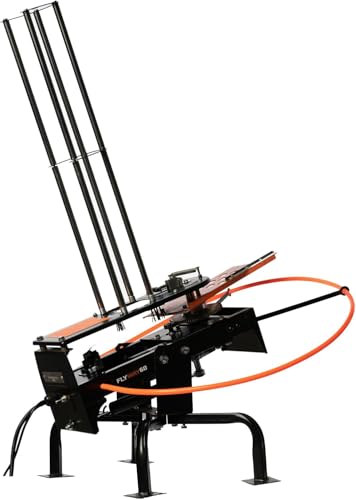
- 60-clay capacity cuts down reload interruptions
- Wireless remote reaches up to 300 feet
- Throws 55+ yards with adjustable launch angles
Best For: Shooters who want a rugged automatic thrower for long-range practice and remote activation.
Best for Fast-Paced Practice
Champion WheelyBird 3.0 Auto-Feed Trap

- 60-clay stack reduces reload interruptions
- Under-1.5-second cycle keeps drills moving
- 70-yard throws and upgrade compatibility add versatility
Best For: Shooter-focused practice sessions that need speed, range, and easy portability.
Best for Backyard Practice
Do-All Outdoors FF550 Firefly Automatic Skeet Thrower
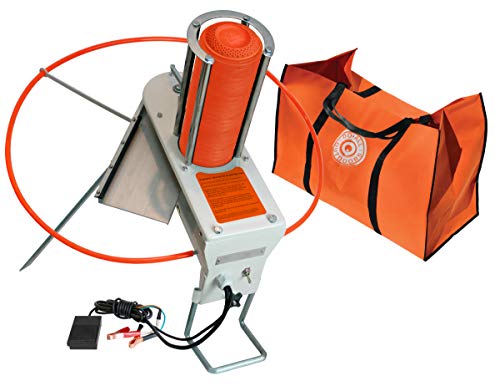
- Compact design for easier storage and transport
- Automatic target launching for consistent practice
- Well suited to casual backyard drills
Best For: Backyard shooters who want a simple automatic clay thrower for practice.
Best for Hands-Free Operation
Allen EZ Aim Claymaster Foot Pedal Clay Thrower

- Foot pedal and pull-cord launch options
- Portable with no power source required
- Works for skeet and trap practice
Best For: Shooters who want a portable manual clay thrower with hands-free launching options.
Best for Long Throws
Do All Outdoors Raven 75-Clay Thrower
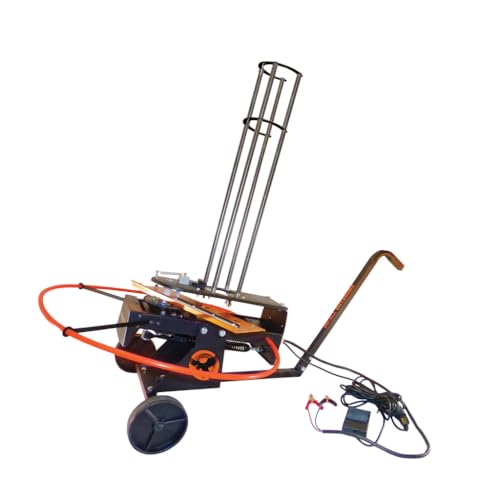
- 75-clay capacity for fewer reloads
- Throws clays 55+ yards with 5-35° angle adjustment
- 25 ft foot pedal and wheeled steel frame improve portability
Best For: Shooters who want a portable, battery-powered thrower for longer shots and high-volume practice.
Best for Foot-Pedal Control
Allen Company Claymaster Clay Pigeon Thrower

- Foot-pedal or pull-cord release options
- Simple manual design for backyard practice
- Useful for trap and skeet fundamentals
Best For: Shooters who want a manual launcher with flexible foot-pedal or pull-cord control.
Best for Long-Range Remote Practice – Do All Flyway 60 Clay Thrower
If you want one of the more capable electric skeet throwers for practice sessions that feel closer to the field, the Do All Outdoors Flyway 60 is built around high-capacity, remote-controlled operation and consistent throws. It holds 60 clays, reaches 55+ yards, and lets you vary launch angle for more realistic target flight.
Best For: Shooters who want a heavy-duty automatic thrower with wireless remote control, long-range launches, and fewer reloads during backyard or range practice.
Pros:
- Holds 60 clay pigeons for continuous practice with fewer reloads
- Wireless remote works up to 300 feet, plus a 15 ft foot pedal cord is included
- Throws targets 55+ yards with adjustable 5-35 degree launch direction
- Heavy-duty steel build is suited to repeated outdoor use
Cons:
- 12V battery is required and not included
- Heavier unit may be less convenient to move and set up
- Manual angle changes are useful, but not fully automated
Overall, the Flyway 60 is a strong pick for buyers who want practical range time and reliable capacity from electric skeet throwers without constant reloading. Its mix of remote control, long throws, and rugged construction makes it a good fit for serious practice sessions.
Best for Fast-Paced Practice – Champion WheelyBird 3.0 Auto-Feed Trap
If you want one of the more capable electric skeet throwers for solo drills or group practice, the Champion WheelyBird 3.0 stands out with its 60-clay stack and quick under-1.5-second cycle time. It also stretches out to 70 yards, giving shooters a wider challenge range without needing a larger, more complicated setup.
Best For: Shooters who want fast follow-up throws, easy mobility, and a trap that can keep up with high-volume practice sessions.
Pros:
- Holds up to 60 clays for longer practice sessions with fewer reloads
- Fast cycle time under 1.5 seconds helps maintain a steady shooting rhythm
- Ultra-wide tires and battery cart storage improve transport and portability
- Wireless remote and wobble base compatibility add useful upgrade options
Cons:
- Requires a separate power source and accessories for full setup flexibility
- More feature-rich than basic traps, so it may be more than casual users need
For buyers comparing electric skeet throwers, this model is a strong fit if you care most about speed, capacity, and practical range. It is especially appealing for regular practice where quick, repeatable throws matter more than a bare-bones design.
Best for Backyard Practice – Do-All Outdoors FF550 Firefly Automatic Skeet Thrower
If you want a simple way to add moving targets to casual practice, this model is a practical entry point among electric skeet throwers. It is designed for backyard use and gives shooters an easy way to work on timing, target tracking, and repeatable drills without needing a larger commercial setup.
Best For: Backyard shooters who want an automatic clay thrower for straightforward practice sessions.
Pros:
- Compact footprint makes it easier to store and move than larger trap systems
- Automatic operation helps keep practice sessions consistent
- Good fit for casual target practice and skill-building drills
Cons:
- Not intended for heavy-duty club or competition use
- May require a stable setup area for best performance
Overall, the FF550 Firefly is a straightforward option for shooters who want an accessible automatic trap without a lot of complexity. For buyers comparing electric skeet throwers, it stands out as a practical backyard trainer rather than a high-volume range machine.
Best for Hands-Free Operation – Allen EZ Aim Claymaster Foot Pedal Clay Thrower
If you want a simple launcher for practice sessions, the Allen Company EZ Aim Claymaster is a practical alternative to electric skeet throwers. Its foot-pedal and pull-cord controls let you launch clays without a dedicated power source, making it a flexible choice for backyard ranges and field use.
Best For: Shooters who want a portable, manually operated clay thrower with hands-free launching options.
Pros:
- Foot pedal and pull-cord operation add flexibility
- Portable design works well where power isn’t available
- Useful for both skeet and trap shooting practice
Cons:
- Not an actual powered electric skeet thrower
- Manual operation may be less convenient for long sessions
For buyers comparing electric skeet throwers, this model stands out as a low-fuss launcher that still delivers hands-free control and solid practice utility. It’s a good fit if portability matters more than automation.
Best for Long Throws – Do All Outdoors Raven 75-Clay Thrower
If you want electric skeet throwers that can keep a steady rhythm without constant reloading, the Do All Outdoors Raven is built for high-volume practice. It holds up to 75 clays, launches targets out to 55+ yards, and uses a 25 ft foot pedal cord so one person can run drills more easily from a safe distance.
Best For: Shooters who want a portable, battery-powered thrower for longer shots, repeatable practice, and hunting-style target flights.
Pros:
- 75-clay capacity helps reduce reload time during practice sessions
- Throws targets 55+ yards with adjustable 5 to 35 degree launch angles
- 25 ft foot pedal activation cord improves control and convenience
- Steel frame, wheels, and handle make transport easier on rough ground
Cons:
- 12V battery is required and not included
- Manual angle and tension adjustments add setup time
- Bulkier than simpler entry-level trap throwers
For buyers comparing electric skeet throwers, the Raven stands out for its capacity, distance, and portable build rather than ultra-simple operation. It is a strong fit if you want a rugged machine that can handle frequent practice sessions on a range or hunting property.
Best for Foot-Pedal Control – Allen Company Claymaster Clay Pigeon Thrower
If you want a simple, hands-on launcher for backyard practice, the Allen Company EZ Aim Claymaster is a practical alternative to many electric skeet throwers. Its foot-pedal and pull-cord operation gives you more control over timing, making it a solid fit for solo drills or basic trap and skeet sessions.
Best For: Shooters who want a manual clay thrower with flexible foot-pedal or pull-cord release control for casual practice.
Pros:
- Foot-pedal or pull-cord operation adds flexibility when launching clays.
- Simple design is easy to understand and use for backyard shooting.
- Good choice for practicing trap and skeet fundamentals without a powered setup.
Cons:
- Not a powered machine, so it lacks the automation of electric skeet throwers.
- Requires manual setup and operation for each launch.
Overall, this is a dependable pick if you value control and simplicity over automation. It won’t replace high-end electric skeet throwers for convenience, but it can be a smart choice for shooters who want a straightforward launcher for regular practice.
How We Picked the Best Electric Skeet Throwers
We focused on Electric Skeet Throwers that make sense for real-world practice: reliable launch action, practical clay capacity, easy transport, and controls that are simple to use. We also favored models that fit common buyer needs, from portable solo training to higher-volume sessions with a remote or pedal setup.
Quick Comparison
As you compare Electric Skeet Throwers, the biggest differences usually come down to clay stack size, trigger style, distance, and mobility. Larger-capacity machines reduce reloading breaks, while lighter portable units are easier to move between ranges or store after use.
Key Buying Factors for Electric Skeet Throwers
Launch Control
Look for wireless remotes, foot pedals, or pull-cord activation depending on how you plan to shoot. Remote controls are convenient for solo practice, while pedals and cords can be practical for hands-free operation.
Clay Capacity
If you shoot often, a higher-capacity thrower saves time and keeps sessions moving. Smaller hoppers are fine for casual use, but larger stacks are better for extended drills and group practice.
Throwing Distance and Speed
Not all Electric Skeet Throwers are built for the same challenge level. Check stated throwing distance and motor response so the machine matches your target presentation goals, whether you want easy repeatability or longer, more demanding flights.
Portability and Setup
Weight, wheel design, and footprint matter if you’ll move the machine frequently. Compact units are easier to store and load, while wheeled or heavier-duty models may be better suited to a fixed practice spot.
Power and Durability
Durable construction is important if the thrower will see frequent use outdoors. Consider the materials, stability, and overall build quality, especially if you expect regular transport or long practice sessions.
Who Should Buy Which Electric Skeet Throwers?
Choose a higher-capacity model if you want fewer interruptions and more shooting time per load. Pick a portable, smaller thrower if you value easy transport and quick setup. For solo practice, a wireless remote can be the most convenient option, while foot-pedal or pull-cord systems may appeal to buyers who prefer simple, hands-on control.
If you’re shopping for Electric Skeet Throwers for home practice, prioritize the features that match your space, shooting volume, and preferred trigger style rather than chasing the biggest machine on paper.