The best hiking daypacks for backpacking balance carrying capacity, comfort, weather protection, and weight without making every trail feel like a load-bearing exercise.
We compared 10 versatile options ranging from compact 15- and 20-liter packs to roomy 50-liter models, including designs with hydration compatibility, rain covers, and packable construction.
Best 10 Hiking Daypacks for Backpacking Picks for 2026
Hydration-Ready Trail Hauler
IX INOXTO 26L/40L Hiking Backpack

- Includes a 3L water bladder and rain cover
- Multiple pockets with bottom-access storage
- Breathable suspension and reflective details
Best For: Hydration-focused day hikes and organized outdoor travel
Adjustable Technical Carry
Osprey Sportlite 30L Hiking Backpack

- Adjustable torso length for a precise fit
- AirScape backpanel with airflow channels
- Supportive hipbelt, harness, and load lifters
Best For: Stable, fitted day-hike carrying
Ultra-Packable Backup Pack
G4Free 20L Packable Hiking Backpack
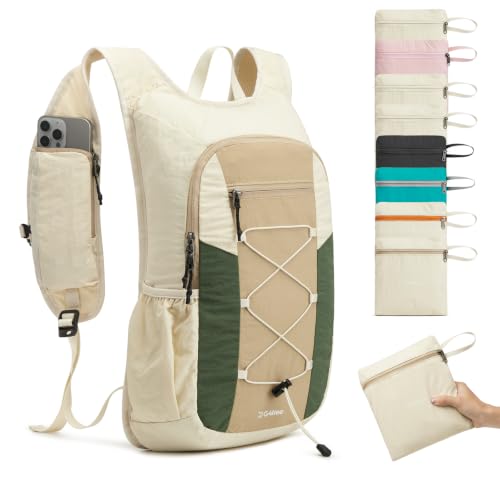
- Folds into its own pocket for easy storage
- Weighs just 0.64 pounds
- 20L capacity with useful internal organization
Best For: Light day hikes, travel, and compact backup storage
Expedition Capacity Pick
WoneNice 50L Waterproof Hiking Backpack

- 50L capacity with sleeping-bag compartment
- Adjustable padded harness and breathable back support
- Includes a waterproof rain cover
Best For: Multi-day hikes and bulky camping loads
Ultralight Packable Pick
MIYCOO 35L Water-Resistant Daypack

- Weighs just 12.8 ounces
- Folds into its own pocket for travel
- 35L capacity with wet-item compartment
Best For: Light hikes, cycling, and travel backup storage
Organization-Focused Pick

- 40L capacity with numerous storage pockets
- Padded, breathable back and shoulder straps
- Rain cover, hydration routing, and trekking-pole storage
Best For: Organized hikes, camping, and hydration-compatible carry
Balanced Trail Comfort

- Water-resistant, tear-resistant fabric
- Breathable back panel and adjustable chest strap
- Multiple compartments with trekking-pole fixtures
Best For: Comfortable day hikes, travel, and commuting
Ultralight Backup Pack
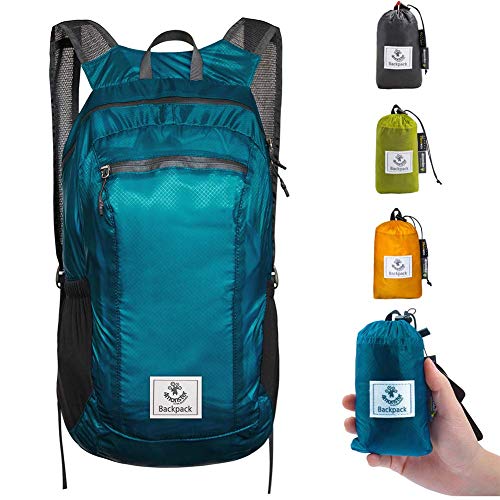
- Weighs only 4 ounces
- Folds into a wallet-sized pouch
- Four-pocket layout with water-resistant nylon
Best For: Travelers, light day trips, and backup storage
Organized Foldaway Option

- Folds into its own zippered pocket
- Ten pockets, including bottle and anti-theft pockets
- Adjustable chest belt with survival whistle buckle
Best For: Organized hiking, travel, and commuting
Hydration-Ready Trail Hauler – IX INOXTO 26L/40L Hiking Backpack
For hikers comparing hiking daypacks for backpacking, the IX INOXTO stands out with useful capacity options, a supplied 3L water bladder, and a rain cover. Its suspension features and multiple compartments make it suited to carrying organized gear on day hikes and longer outings.
Best For: Hikers who want integrated hydration, weather protection, and flexible storage for day trips or travel.
Pros:
- Includes a 3L leak-resistant water bladder with a large filling opening.
- Comes with a waterproof rain cover and water-resistant, tear-resistant polyester construction.
- Offers multiple compartments, hip pockets, side pockets, and a bottom-access storage area.
- Uses a breathable back system, padded shoulder straps, steel-frame support, and reflective details.
Cons:
- The supplied information lists both 26L and 40L capacity options, so shoppers should confirm the selected size.
- The water bladder adds convenience but also adds an extra component to clean and maintain.
This is a feature-heavy choice for shoppers who prioritize hydration and organization over a minimalist setup. The included bladder and rain cover make it particularly practical when you want key accessories in one package.
Adjustable Technical Carry – Osprey Sportlite 30L Hiking Backpack
Among hiking daypacks for backpacking, the Osprey Sportlite 30L focuses on a streamlined technical design with adjustable torso length and trail-oriented load support. Its 30-liter top-loading layout provides room for day-hike essentials without unnecessary complexity.
Best For: Day hikers who want a precise fit, close-to-body stability, and practical trail organization.
Pros:
- Sliding-yoke torso adjustment helps create a more precise unisex fit.
- AirScape backpanel uses cushioned foam, mesh, and airflow channels for ventilation.
- Includes a padded hipbelt, load lifters, sternum strap, compression, and trekking pole loops.
- Made with a durable 100% recycled nylon ripstop main body and bluesign product requirements.
Cons:
- The hydration reservoir is not included and must be purchased separately.
- The streamlined feature set may offer less flexibility than larger, more compartment-heavy packs.
The Sportlite is a strong fit for shoppers who value carry stability and adjustability. Its 30L capacity and supportive harness make it a practical middle ground for full-day trail outings.
High-Capacity Weather Shield – Bseash 40L Hiking Backpack
For shoppers seeking hiking daypacks for backpacking with extra room, the Bseash 40L offers a spacious main compartment and several organization points. Its rip-stop polyester construction, included rain cover, and padded harness support make it suitable for camping, travel, and longer day outings.
Best For: Hikers needing 40 liters of storage for bulky clothing, camping items, or multi-day travel essentials.
Pros:
- Large 40L capacity accommodates sleeping bags, clothing, and everyday gear.
- Includes an interior water-bladder pouch, front pocket, side pockets, and elastic storage cord.
- Water-resistant rip-stop material comes with a bottom-stowed rain cover.
- Breathable padded back and adjustable wide shoulder straps support carrying comfort.
Cons:
- The 40L size is roomier than necessary for minimalist day hikes.
- The product notes list a maximum weight recommendation of 10 kg, so heavier loads should be avoided.
- Care instructions specify hand washing only.
This pack makes the most sense when capacity and weather coverage matter more than a compact profile. It offers useful storage for extended outings while keeping the design relatively lightweight at 1.76 pounds.
Ultra-Packable Backup Pack – G4Free 20L Packable Hiking Backpack
For lightweight hiking daypacks for backpacking, the G4Free 20L is designed to disappear into luggage or a larger pack until needed. At 0.64 pounds, it provides basic organization, light-rain resistance, and a practical carry setup for hikes, cycling, travel, and everyday use.
Best For: Travelers and hikers who want a compact backup daypack for light loads and short outings.
Pros:
- Folds into its own inner pocket and packs down to approximately 6.3 by 7.1 inches.
- Very lightweight at 0.64 pounds while offering 20L of storage.
- Includes a main compartment, internal pockets, front pocket, side pockets, and shoulder-strap storage.
- Breathable mesh shoulder straps and an adjustable chest strap improve wearing comfort.
Cons:
- Water-repellent Taslan nylon is intended for light rain rather than severe weather.
- The 20L capacity is better suited to light day loads than bulky backpacking gear.
The G4Free is a practical choice when packability and low weight are the priorities. Its limited capacity and light-weather protection make it best as a minimalist daypack or travel backup rather than a heavy-load hauler.
Expedition Capacity Pick – WoneNice 50L Waterproof Hiking Backpack
WoneNice 50L(45+5) Waterproof Hiking Backpack - Outdoor Sport Daypack with Rain Cover
Check Price On AmazonFor hikers who need substantial carrying space, the WoneNice is a practical choice among hiking daypacks for backpacking. Its 50-liter layout includes multiple compartments, a sleeping-bag section, mesh side pockets, and a rain cover for organizing larger loads.
Best For: Multi-day hikes, camping trips, and bulky gear loads.
Pros:
- 50-liter capacity with six compartments, including a sleeping-bag compartment.
- Padded S-shaped shoulder straps, breathable back support, adjustable chest and waist belts.
- Water-resistant nylon and polyester construction with an included rain cover.
- Strong hanging system and multiple pockets for tents, cooking gear, and accessories.
Cons:
- At 2.4 pounds, it is heavier than ultralight packable alternatives.
- The large 50-liter size may be more capacity than needed for short day hikes.
The WoneNice stands out when capacity and organization matter more than minimum weight. Its adjustable harness and rain protection make it a versatile option for extended outdoor trips.
Ultralight Packable Pick – MIYCOO 35L Water-Resistant Daypack
The MIYCOO is a convenient option for hikers prioritizing portability in hiking daypacks for backpacking. Weighing 12.8 ounces and folding into its own pocket, it can stay in a suitcase or larger pack until extra carrying capacity is needed.
Best For: Travel, light hikes, cycling, and backup storage on the go.
Pros:
- Very light at 12.8 ounces and folds to a compact 4.5-by-3.9-by-7.8-inch size.
- 35-liter capacity with three main compartments and a wet compartment.
- Water-resistant IPX4 fabric helps protect against splashes and light rain.
- Includes anti-theft zipper clips and a survival whistle on the shoulder strap.
Cons:
- Water resistance is intended for splashes and light rain, not stated full waterproofing.
- Its lightweight, packable design may offer less structure than a framed hiking pack.
Choose the MIYCOO when compact storage and low weight are the priorities. Its 35-liter capacity is useful for day trips, while the foldable design makes it especially practical for travel.
Organization-Focused Pick – Maelstrom 40L Hiking Backpack
The Maelstrom 40L balances carrying capacity, organization, and hiking-focused features for shoppers comparing hiking daypacks for backpacking. It provides numerous pockets, padded ventilation, trekking-pole storage, and a rain cover for varied outdoor use.
Best For: Organized day hikes, camping, travel, and activities requiring hydration or trekking-pole storage.
Pros:
- 40-liter capacity with a main compartment, top pocket, front pockets, waist pockets, and mesh side pockets.
- 210D rip-stop nylon is water resistant, tear resistant, scratch resistant, and wear resistant.
- Includes a rain cover, breathable padded shoulder straps, and an ergonomic padded back.
- Hydration-system routing, wet pocket, reflective markings, and trekking-pole attachment points add versatility.
Cons:
- Its extensive pocket layout may be more organization than minimalist hikers need.
- The supplied notes do not specify the pack’s exact weight.
The Maelstrom is a strong middle-ground choice for hikers who want more room than a compact daypack without moving to the WoneNice’s 50-liter capacity. Its hydration and organization features suit longer, gear-heavy outings.
Balanced Trail Comfort – SKYSPER 20L Hiking Daypack
SKYSPER Small Hiking Backpack, 20L Lightweight Travel Backpacks Hiking Daypack for Women Men
Check Price On AmazonFor shoppers comparing hiking daypacks for backpacking, the SKYSPER 20L offers a practical balance of storage, organization, and carrying comfort. Its water-resistant polyester and nylon construction, breathable back panel, adjustable chest strap, and trekking-pole fixtures make it suited to day hikes and travel.
Best For: Day hikers and travelers who want a comfortable, organized 20L pack with useful outdoor features.
Pros:
- Water-resistant, tear-resistant 600D polyester and 210D nylon construction.
- Breathable grooved carrying system and mesh back panel help improve comfort.
- Includes multiple compartments, trekking-pole fixtures, reflective details, and a safety whistle.
- Adjustable chest strap and removable straps provide carrying flexibility.
Cons:
- At 1.1 pounds, it is heavier than ultralight packable alternatives.
- The listed maximum weight recommendation is 7 kg, so it is intended for moderate day loads.
The SKYSPER is a well-rounded choice when comfort and organization matter more than minimal packed weight. It is especially practical for short hikes, commuting, and travel where a sturdier daypack is useful.
Ultralight Backup Pack – 4Monster 16L Packable Daypack
Among hiking daypacks for backpacking, the 4Monster stands out for portability rather than heavy-duty capacity. Weighing only 4 ounces and folding into a wallet-sized pouch, it works well as a lightweight spare pack for travel, day trips, and light outdoor use.
Best For: Travelers and hikers who prioritize minimal weight, compact storage, and a convenient backup bag.
Pros:
- Extremely lightweight at 4 ounces and folds into a compact pouch.
- Water-resistant nylon helps protect essentials from light rain and splashes.
- Includes a main compartment, front zipper pocket, and two mesh side pockets.
- Tear-resistant 30D nylon and reinforced stitching support everyday outdoor use.
Cons:
- The 16L capacity is better suited to light day loads than bulky gear.
- Its water resistance is described for light rain and splashes, not prolonged heavy rainfall.
The 4Monster makes the most sense when packability is the priority. It can serve as an everyday daypack or an extra bag carried inside luggage, though hikers carrying larger or heavier loads may want a more structured option.
Organized Foldaway Option – BECOJADDE 15L Hiking Backpack
For hiking daypacks for backpacking that emphasize organization and compact storage, the BECOJADDE 15L is a versatile option. It combines tear-resistant fabric, breathable shoulder straps, an adjustable chest belt, and several dedicated pockets in a pack that folds into its own zippered pocket.
Best For: Hikers and travelers who want a compact, organized pack with a secure adjustable fit.
Pros:
- Folds into a compact 7-by-6.3-inch zippered pocket for easy storage.
- Includes a phone pocket, front pockets, two water-bottle holders, and a rear anti-theft pocket.
- Adjustable chest belt and breathable mesh shoulder straps support a secure, comfortable fit.
- Tear-resistant, scratch-resistant fabric is designed for outdoor use.
Cons:
- Its 15L capacity leaves less room than the 20L SKYSPER for larger day-hike loads.
- The listed folded and unfolded dimensions may be less intuitive when comparing pack sizes.
The BECOJADDE is a strong middle ground for users who want more organization than a basic foldable pack provides. Its chest belt, phone storage, bottle holders, and anti-theft pocket add practical value for hiking, commuting, and travel.
How We Picked the Best Hiking Daypacks for Backpacking
We evaluated these daypacks by comparing their stated capacity, weight-conscious design, weather protection, storage flexibility, and intended use. We also considered whether each pack suits short hikes, travel, day trips from a base camp, or longer outings that require extra clothing, food, and emergency gear.
Because listed specifications can vary by color or size, confirm the current dimensions, included accessories, and fit details before ordering. A pack with a rain cover or water-resistant fabric offers useful protection, but it should not be treated as fully waterproof unless the manufacturer specifically says so.
Quick Comparison
| Capacity range | Best suited for | What to prioritize |
|---|---|---|
| 15–20L | Short hikes, travel, and minimalist day trips | Low weight, compact storage, and comfortable organization |
| 26–35L | Full-day hikes and variable weather | Hydration access, ventilation, and balanced load support |
| 40–50L | Long day hikes, base-camp trips, and bulky gear | Adjustable suspension, compression, and weather protection |
Key Buying Factors for Hiking Daypacks for Backpacking
Capacity and Load Planning
Choose capacity based on what you actually carry. A 15- or 20-liter pack works for water, snacks, a shell, and a few essentials. Move toward 30–40 liters when you need layers, extra food, camera equipment, or overnight-adjacent gear. Packs near 50 liters provide room for bulky loads but may be excessive for lightweight day hikes.
Comfort and Fit
Look for padded shoulder straps, an adjustable sternum strap, breathable back panels, and a hip belt when carrying heavier loads. Fit matters more than a long feature list: the pack should sit close to your back without restricting movement, and the load should remain stable while climbing or scrambling.
Weather Protection and Hydration
Water-resistant fabric helps with light showers, while an included rain cover provides more reliable coverage. Separate wet-weather protection is valuable when electronics, insulation, or food must stay dry. A hydration sleeve, bladder, or accessible bottle pockets can make it easier to drink without stopping.
Weight, Access, and Organization
Ultralight and packable designs are convenient for travel or backup use, but they may offer less structure and padding. For frequent trail use, prioritize durable zippers, compression straps, external attachment points, and compartments that keep essentials accessible.
Who Should Buy Which Hiking Daypacks for Backpacking?
Choose a compact 15–20L pack for short hikes, sightseeing, commuting, or minimalist travel. These models are easiest to carry and store, but they leave little room for bulky layers.
Choose a 26–35L pack if you want the most versatile option for full-day hiking, changing weather, and hydration gear. This range is often the best balance of capacity and portability.
Choose a 40–50L pack for long trail days, family gear, winter layers, or trips where you need substantial food and equipment. Confirm that the suspension and adjustment points are adequate for the intended load before committing to the largest option.