A dependable poncho can protect you and your pack without the bulk of a full rain suit. The best choice depends on whether you prioritize low weight, breathability, durability, emergency readiness, or versatile shelter use.
We compared 10 hiking ponchos for backpacking across those practical needs, from reusable ripstop and silnylon designs to compact disposable and thermal emergency options.
Best 10 Hiking Ponchos for Backpacking Picks for 2026
Versatile Trail Shelter
Arcturus Waterproof Ripstop Poncho
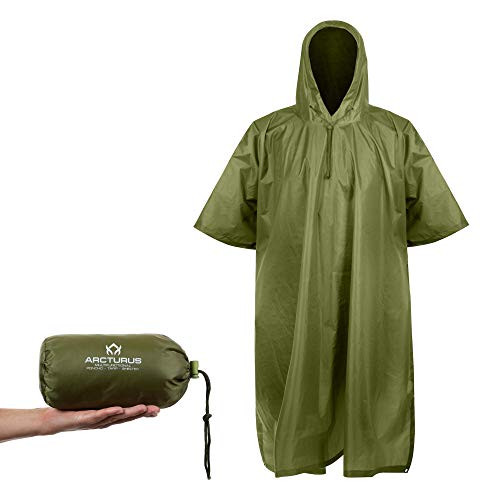
- 11-ounce packable ripstop nylon design
- Long cut and large hood for layered coverage
- Converts into a tarp, ground cloth, or lean-to
Best For: Backpackers wanting multipurpose rain gear for trail and camp
Budget Breathable Protection
FROGG TOGGS Ultra-lite2 Poncho

- 9.6-ounce reusable polypropylene construction
- Waterproof, breathable, and fully seam taped
- Adjustable hood, side snaps, and stuff sack
Best For: Hikers wanting lightweight, no-fuss rain protection
Emergency Group Coverage
APEXUP Disposable Rain Ponchos

- Individually wrapped for compact storage
- Roomy fit covers clothing and backpacks
- Quick pull-on protection in a clear material
Best For: Groups and emergency kits needing backup rain coverage
Multipurpose Backpacking Shelter

- 8.3-ounce silnylon design packs very small
- 89-by-56-inch coverage fits over a rucksack
- Converts to tarp, groundsheet, pack cover, or shelter
Best For: Minimalist backpackers prioritizing weight savings and versatility
Best Emergency Warmth
Thickened Mylar Survival Poncho

- Retains up to 90% of body heat
- Tear-resistant, waterproof Mylar
- Four-pack for group or emergency use
Best For: Cold-weather backup protection and family emergency kits
Best Multipurpose Design
ANYOO Hooded Backpacking Poncho

- Waterproof ripstop polyester construction
- Covers backpacks with a roomy fit
- Converts into a mat, canopy, or shelter
Best For: Reusable trail rainwear with emergency shelter versatility
Best Budget Spares
Hagon PRO Disposable Rain Ponchos
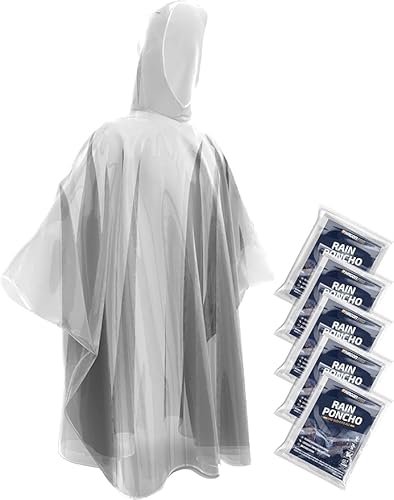
- Five compact ponchos per pack
- Roomy fit covers clothing and backpacks
- Thicker tear-resistant PE construction
Best For: Group trips and lightweight emergency rain backups
Versatile Trail Cover
Multi-Use Waterproof Rain Poncho
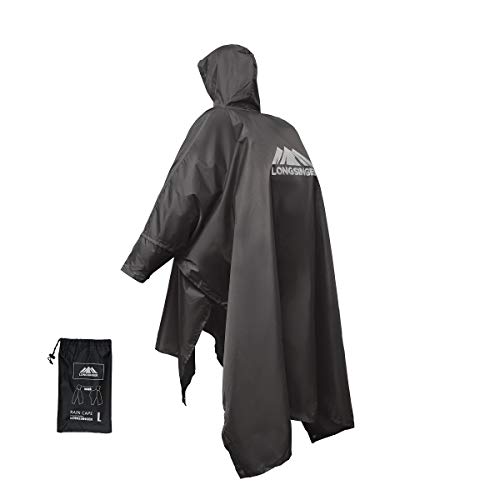
- Fits over backpacks up to 90L
- Waterproof coated 210T polyester
- Converts to a mat or shelter
Best For: Backpackers wanting broad coverage and multi-use outdoor gear
Storm-Ready Shelter

- Poncho, mat, and shelter in one
- Sealed seams and rip-resistant polyester
- Lightweight 10-ounce packed weight
Best For: Hikers seeking versatile rain gear for trail and camp
Ultralight Pack Cover

- Packs to about 6.3 by 4 inches
- Weighs just 12.32 ounces
- Adjustable extension covers backpacks
Best For: Ultralight hikers and travelers needing compact rain protection
Versatile Trail Shelter – Arcturus Waterproof Ripstop Poncho
For backpackers who want hiking ponchos for backpacking to do more than block rain, the Arcturus combines a lightweight 11-ounce build with a long cut and shelter-ready design. Its ripstop nylon fabric, waterproof polyurethane coating, and tie-down grommets make it useful on wet trails and at camp.
Best For: Backpackers seeking a reusable rain layer that can also serve as a tarp, ground cloth, or emergency lean-to.
Pros:
- Lightweight and packs into the included 8-by-4-inch stuff sack.
- Extra-long 54-by-48-inch coverage extends past the knees for a 6-foot wearer.
- Large hood accommodates a baseball cap or thick beanie.
- Opens to 54 by 96 inches for shelter or ground-cloth use.
Cons:
- Hand-wash care may be less convenient than machine-washable options.
- The nylon fabric has no stretch and the poncho is unlined.
The Arcturus is a strong choice when pack versatility matters as much as rain protection. Its added shelter functions can reduce the need to carry separate emergency coverage.
Budget Breathable Protection – FROGG TOGGS Ultra-lite2 Poncho
The FROGG TOGGS Ultra-lite2 is a practical option for hiking ponchos for backpacking when low weight, packability, and straightforward waterproof protection are priorities. Its seam-taped polypropylene construction adds weather coverage, while the soft inner layer and breathable outer layer support comfort during active use.
Best For: Hikers and backpackers who want a lightweight, reusable poncho with adjustable hood coverage and easy pack storage.
Pros:
- Weighs 9.6 ounces and includes a stuff sack for portability.
- Fully seam taped and made from waterproof, breathable polypropylene.
- Deep hood has adjustable cord locks, and side snaps add coverage.
- Machine-washable construction supports repeat use.
Cons:
- Its standard-length cut may provide less leg coverage than extra-long alternatives.
- The material has no stretch and the poncho is unlined.
This model focuses on affordable, packable rain protection rather than shelter conversion. It is well suited to hikers who want a simple reusable layer for changing weather.
Emergency Group Coverage – APEXUP Disposable Rain Ponchos
For occasional storms, the APEXUP pack offers a convenient alternative to carrying a heavier permanent layer. These clear disposable ponchos provide roomy coverage over clothing and backpacks, pack individually into compact packets, and work well as backup hiking ponchos for backpacking.
Best For: Groups, emergency kits, and day trips where inexpensive, quick-deploy rain coverage is more important than long-term durability.
Pros:
- Individually wrapped packets are easy to distribute and stash in packs.
- Roomy adult fit layers over clothing and backpacks.
- Pull-on design can be worn quickly without buttons, snaps, or ties.
- Clear material keeps wristbands and badges visible.
Cons:
- Disposable polyethylene construction is not intended for repeated use like reusable ponchos.
- The loose design offers less adjustability than hooded drawstring models.
- Coverage and features are oriented toward emergency or casual use rather than technical backpacking.
The APEXUP set is best treated as spare rain insurance. It makes sense for shared gear bins and short outings, but dedicated backpackers may prefer a reusable poncho for frequent trips.
Multipurpose Backpacking Shelter – onewind Silnylon Rain Poncho
The onewind is designed specifically around the needs of hikers and backpackers who want hiking ponchos for backpacking with pack coverage and camp utility. Its 8.3-ounce silnylon build packs small, while the large 89-by-56-inch shape can be worn over a rucksack or converted into several forms of shelter.
Best For: Lightweight backpackers who value a poncho that can double as a tarp, groundsheet, backpack cover, or survival shelter.
Pros:
- Weighs 8.3 ounces and packs to approximately 2.8 by 7.1 inches.
- 3000mm waterproof-rated, tear-resistant silnylon construction.
- Large dimensions provide coverage for the wearer and backpack.
- Cord adjusters and side fasteners help customize the fit.
Cons:
- Hand-wash care requires more maintenance than machine-washable rainwear.
- The loose, unlined design may feel less structured than a conventional jacket.
- Its multipurpose format may be more gear than casual users need.
The onewind stands out for combining low weight with broad coverage and shelter flexibility. It is particularly compelling for minimalist pack lists where one item needs to perform several jobs.
Best Emergency Warmth – Thickened Mylar Survival Poncho
For hikers comparing hiking ponchos for backpacking, this four-pack focuses on emergency warmth as well as rain and wind coverage. Its tear-resistant Mylar construction covers the wearer and backpack, while the loose fit supports mobility during unexpected weather.
Best For: Backpackers, family camping groups, and emergency kits where compact backup protection and heat retention matter.
Pros:
- Reflective polyester film is designed to retain 90% of body heat.
- Thicker-than-standard construction helps resist tears from branches and rocks.
- Four-pack format provides spares for group trips or vehicle kits.
- Folds compactly and covers both the wearer and backpack.
Cons:
- Mylar fabric has no stretch and is heavier than lightweight fabric ponchos.
- Designed primarily for emergency use rather than breathable everyday rainwear.
This is a strong contingency option for cold, exposed conditions, but backpackers seeking regular-use comfort may prefer a breathable polyester poncho.
Best Multipurpose Design – ANYOO Hooded Backpacking Poncho
For hiking ponchos for backpacking that can do more than block rain, the ANYOO combines a waterproof hooded shell with shelter-oriented features. Its roomy cut covers a backpack, while the lightweight polyester design packs down for trail, travel, or emergency use.
Best For: Backpackers who want reusable rain protection that can also serve as a ground sheet, canopy, or simple shelter.
Pros:
- 210T ripstop polyester with TPU coating and seam taping provides waterproof protection.
- Roomy cut covers a backpack and allows air circulation through the loose openings.
- At about 9–11 ounces, it is lightweight and compact to carry.
- Eyelets and fasteners support use as a mat, canopy, shelter, or sleeping-bag cover.
Cons:
- Unlined, non-stretch fabric may offer less warmth in cold conditions.
- Hand-wash-only care is less convenient after muddy trips.
Among these options, this is the most versatile choice for routine hiking because it balances rain coverage, packability, ventilation, and emergency shelter potential.
Best Budget Spares – Hagon PRO Disposable Rain Ponchos
For hikers who want inexpensive hiking ponchos for backpacking backups, the Hagon PRO five-pack is easy to distribute among a group or stash in multiple bags. Each hooded PE poncho is compact, waterproof, and roomy enough to slip over clothing or a backpack.
Best For: Group hikes, festival-to-trail emergency supplies, and warm-weather trips where disposable rain coverage is more important than long-term reuse.
Pros:
- Five-pack offers convenient coverage for families or shared emergency kits.
- Folds to approximately 4 x 6 inches for pockets, packs, or glove compartments.
- Roomy one-size design fits over backpacks, clothing, and gear.
- 0.035mm PE is described as twice as thick as standard disposable ponchos.
Cons:
- Disposable PE construction is less suitable for repeated rugged trail use than reusable polyester.
- Lightweight, unlined material provides rain coverage but not insulated warmth.
- Hand-wash-only care may be impractical for a disposable-style product.
This pack is a practical low-cost rain contingency, especially for groups, but serious backpackers should not expect the durability or multipurpose function of a reusable poncho.
Versatile Trail Cover – Multi-Use Waterproof Rain Poncho
For hikers looking for hiking ponchos for backpacking, this roomy polyester option combines rain coverage with useful campsite versatility. Its generous cut fits over backpacks up to 90L, while the hood, sleeves, reinforced seams, and adjustable closures help keep wet weather out.
Best For: Backpackers who want a large, reusable poncho that can also serve as a picnic mat or emergency shelter.
Pros:
- Large 95.7-by-55.1-inch unfolded size can cover a loaded backpack.
- 210T polyester with a waterproof coating and reinforced seams.
- Functions as a raincoat, picnic mat, or tent-style shelter.
- Compact 5.5-by-9.4-inch package weighs 0.66 pounds.
Cons:
- Hand-wash care is required.
- The generous design may feel less streamlined than a minimalist poncho.
This is a practical choice when coverage and multipurpose use matter more than the smallest possible packed size. The drawstring hood and Velcro-secured sides add adjustability for changing trail conditions.
Storm-Ready Shelter – PTEROMY 3-in-1 Rain Poncho
This PTEROMY model is a strong contender among hiking ponchos for backpacking if you value one piece of gear with several trail uses. Rip-resistant polyester, sealed seams, side snaps, and a hood provide practical storm coverage, while the corner grommets let it become a mat or staked shelter.
Best For: Hikers and campers who want lightweight rain protection that can double as an emergency shelter or ground mat.
Pros:
- Three-in-one design works as a poncho, camping mat, or shelter.
- Reinforced corner grommets support staking and shelter setup.
- Side snaps help secure the poncho in wind, and the hooded brim redirects rain.
- Packs to 10 ounces in the included drawstring pouch.
Cons:
- Listed as sleeveless or half-sleeve rather than a full long-sleeve design.
- Hand-wash care is required.
The PTEROMY balances packability with campsite flexibility. Its front pocket is convenient for small essentials, and quick-drying polyester can simplify packing after a wet outing.
Ultralight Pack Cover – Globotrekker Backpack Poncho
For backpackers prioritizing low weight and a compact emergency layer, the Globotrekker is one of the more pack-friendly hiking ponchos for backpacking. Its adjustable back extension covers a backpack, while the drawstring hood, zipped neck, and breathable 210T Terylene fabric support comfortable movement in changing weather.
Best For: Lightweight backpackers, travelers, and hikers who want a compact poncho with integrated backpack coverage.
Pros:
- Weighs 12.32 ounces and packs down to approximately 6.3 by 4 inches.
- Adjustable back extension helps cover both wearer and backpack.
- Drawstring hood and zipped neck provide adjustable rain protection.
- One-size design allows freedom of movement for hiking or biking.
Cons:
- Its 51-inch length and 55-inch maximum width may provide less coverage than larger ponchos.
- Hand-wash care is required.
This model is best suited to users who want rain readiness without giving up much pack space. The buttoned back extension can be secured when backpack coverage is not needed, giving the poncho a simpler profile.
How We Picked the Best Hiking Ponchos for Backpacking
We focused on the features that matter most on the trail: water resistance, coverage, pack compatibility, portability, durability, and ease of use. We also considered whether each poncho is reusable, breathable, suitable for layering, or useful beyond basic rain protection. Because backpacking conditions vary, this list includes both lightweight everyday rain gear and specialized emergency options.
Quick Comparison
| Best For | Look For | Most Suitable Type |
|---|---|---|
| Regular backpacking | Durable fabric and pack coverage | Reusable waterproof poncho |
| Warm-weather storms | Low weight and ventilation | Breathable lightweight poncho |
| Emergency kits | Compact storage and low cost | Disposable poncho |
| Cold or exposed conditions | Wind protection and heat retention | Thermal emergency poncho |
| Minimalist shelter systems | Strong fabric and grommets | Shelter-capable poncho |
Key Buying Factors for Hiking Ponchos for Backpacking
Coverage and Pack Fit
A poncho should cover your torso, arms, and at least part of your legs while leaving enough room for your backpack. Check the cut and closure system before buying, especially if you carry a large pack or use external pockets. Longer designs provide more coverage, but can catch on brush and feel less comfortable while walking.
Material, Waterproofing, and Breathability
Coated nylon and silnylon are generally light and packable, while thicker fabrics may better resist abrasion. Breathable materials can reduce condensation during strenuous climbs, although no poncho eliminates moisture buildup in humid weather. Look for sealed or reinforced seams when sustained rain is likely.
Weight, Packability, and Durability
For multi-day trips, compare packed size as well as listed weight. Disposable ponchos are useful backups but are less suitable for repeated use or rough terrain. Reusable models make more sense for frequent hikers, provided the fabric and hardware can withstand branches, wind, and repeated packing.
Hood and Ventilation Design
An adjustable hood should stay secure without blocking peripheral vision. Snap closures, side openings, and underarm space improve ventilation and mobility. If you hike in windy rain, prioritize a design with reliable closures rather than an entirely open-sided cut.
Who Should Buy Which Hiking Ponchos for Backpacking?
Frequent backpackers: Choose a reusable waterproof poncho with durable fabric, generous pack coverage, and adjustable fit.
Ultralight hikers: Favor a lightweight, compact design, but balance minimum weight against tear resistance and storm protection.
Families and occasional hikers: Multipacks or disposable ponchos are convenient for keeping spare rain protection in several bags.
Emergency-preparedness buyers: Thermal or disposable models are practical additions to vehicles, daypacks, and survival kits.
Campers seeking versatility: A poncho designed to double as a basic shelter can provide more value, but verify its attachment points and setup requirements before relying on it overnight.