Wet trails, stream crossings, and sudden downpours can turn an otherwise comfortable hike into a cold, blister-prone outing. The right socks help manage moisture while adding insulation, cushioning, and dependable fit inside your boots.
This roundup compares waterproof, merino wool, and everyday hiking socks so you can choose the right balance of weather protection, warmth, breathability, and comfort for your usual routes.
Best 10 Hiking Socks for Wet Weather Picks for 2026
Best Cold-Weather Mid-Calf Pick
SEALSKINZ Starston Waterproof Sock

- Waterproof AQUASEALZ membrane
- Merino wool insulation
- Heavyweight mid-calf construction
Best For: Cold-weather hiking, climbing, and mountaineering
Best Multipack Merino Comfort
Niorasen Merino Wool Hiking Socks

- 50% merino wool moisture management
- Full-length terry cushioning
- Three-pair multipack with unisex sizing
Best For: Mild-weather hiking and everyday boot wear
Best Knee-High Winter Coverage
SEALSKINZ Worstead Waterproof Sock
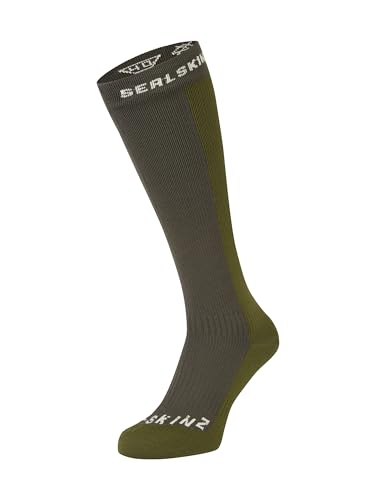
- Waterproof AQUASEALZ membrane
- Knee-high protective coverage
- Merino wool blend for warmth
Best For: Winter hiking, skiing, and snowboarding
Breathable Merino Support

- 70% wool blend with moisture-wicking performance
- Zoned mesh ventilation for improved airflow
- Five-pair set with cushioning and support
Best For: Regular hikers seeking breathable merino-blend socks
Waterproof Wet-Weather Coverage
DexShell Waterproof Everyday Socks

- Waterproof membrane helps block outside water
- Breathable design helps release moisture vapor
- Quarter-crew coverage suits wet everyday conditions
Best For: Light hikes and rainy-day outdoor use
Durable Midweight Merino Cushion
Darn Tough Hiker Midweight Sock
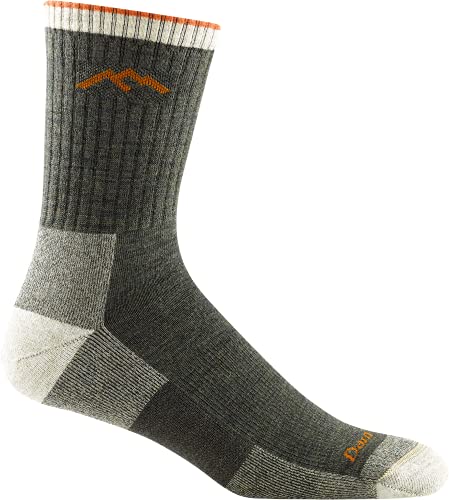
- Midweight cushioning for demanding conditions
- Fast-wicking merino blend dries quickly
- Lifetime replacement guarantee included
Best For: Frequent hikers seeking durable all-weather comfort
Warm Trail Comfort
Alvada Merino Wool Hiking Socks

- 80% merino wool for cold-weather warmth
- Cushioned footbed for longer treks
- Three-pair pack with stretch fit
Best For: Cold-weather hikers needing warmth and cushioning
Lightweight Wet-Trail Pick
Waterproof Merino Hiking Socks

- Waterproof membrane with 92% merino wool lining
- Lightweight cushioned sole for active use
- Reinforced toe and heel with recycled outer fibers
Best For: Wet-trail hikers and watersports users
Best Lightweight Waterproof Pick – RANDY SUN Waterproof Crew Socks
For hiking socks for wet weather, the RANDY SUN waterproof crew socks emphasize lightweight coverage, breathability, and a secure fit. Their waterproof membrane helps block external water, while COOLMAX lining is designed to move sweat away during active use.
Best For: Lightweight hiking, trail running, kayaking, wading, and other wet-weather activities where you need waterproof coverage inside boots or shoes.
Pros:
- Waterproof, breathable membrane with moisture-wicking COOLMAX lining.
- Smooth toe seam helps reduce abrasion and blister irritation.
- Deep heel cup, non-slip ribbed cuff, and lightweight cushioning support a stable fit.
- Machine washable with care instructions designed to help preserve the construction.
Cons:
- The cuff is not waterproof, so water should not flow over the top.
- Light cushioning may provide less warmth and impact protection than heavyweight socks.
This is a practical choice when you want waterproof hiking socks without a bulky feel. Pay close attention to the size chart and pair them with footwear that prevents water from entering over the cuff.
Best Cold-Weather Mid-Calf Pick – SEALSKINZ Starston Waterproof Sock
The SEALSKINZ Starston is a warm, mid-calf option for hiking socks for wet weather in colder conditions. It combines an AQUASEALZ waterproof membrane with a merino wool interior, moisture management, and a heavyweight construction suited to demanding outdoor activities.
Best For: Cold-weather hiking, mountaineering, climbing, and other winter activities where added warmth and mid-calf coverage are useful.
Pros:
- Waterproof AQUASEALZ membrane helps protect against wet conditions.
- Merino wool interior provides insulation for cold-weather use.
- Moisture-wicking construction supports comfort during active pursuits.
- High-stretch, mid-calf design is intended to provide a snug fit.
Cons:
- Heavyweight construction may feel too warm for mild or hot-weather hikes.
- It is sold as a single pair rather than a multipack.
Choose the Starston when warmth is as important as waterproofing. Its heavier build is particularly suited to winter footwear, but may be more sock than needed for temperate conditions.
Best Multipack Merino Comfort – Niorasen Merino Wool Hiking Socks
The Niorasen merino wool crew socks are a practical everyday option for hiking socks for wet weather when you need moisture management rather than a waterproof barrier. Their 50% merino wool blend, ventilation channels, and full-length cushioning are designed for comfort in boots during mild-weather adventures.
Best For: Mild-weather hiking, backpacking, work boots, trail use, and shoppers who want multiple cushioned pairs for regular wear.
Pros:
- 50% merino wool blend helps manage moisture and temperature.
- Full-length terry cushioning supports comfort on rocky trails.
- Reinforced toes and heels are designed to resist abrasion and thinning.
- Available as a three-pair pack with unisex sizing.
Cons:
- These socks are moisture-wicking but are not listed as waterproof.
- Heavyweight cushioning may be warmer than needed in hot conditions.
- The fabric is listed as having no stretch, so careful sizing is important.
If your wet-weather strategy relies on breathable footwear and moisture control, the Niorasen offers useful cushioning and value in a multipack. For sustained rain, pair it with waterproof footwear because the sock itself is not waterproof.
Best Knee-High Winter Coverage – SEALSKINZ Worstead Waterproof Sock
For hiking socks for wet weather in winter, the SEALSKINZ Worstead adds knee-high coverage to a waterproof AQUASEALZ membrane and merino wool blend. Its medium-weight construction is designed for skiing, winter hiking, and other cold-weather activities.
Best For: Winter hiking, skiing, snowboarding, and situations where extended lower-leg coverage is useful.
Pros:
- Waterproof AQUASEALZ membrane helps shield feet from wet conditions.
- Knee-length design provides more coverage than a crew or mid-calf sock.
- Merino wool blend is intended to provide warmth and breathability.
- Machine-washable care routine supports regular outdoor use.
Cons:
- Knee-high length may be excessive for standard hiking shoes or warm-weather trails.
- It is sold as a single pair.
- Medium-weight construction may not replace a heavier winter sock in extreme cold.
The Worstead makes sense when waterproofing and additional leg coverage are priorities. Its knee-high profile is especially compatible with ski and winter gear, while hikers should check that it fits comfortably beneath their boots.
Breathable Merino Support – ANTSANG Hiking Socks
For hiking socks for wet weather that balance warmth and airflow, the ANTSANG Merino Wool Hiking Socks use a 70% wool blend with moisture-wicking performance and zoned mesh ventilation. Arch and calf support, targeted cushioning, and a seamless toe add useful comfort for longer outdoor outings.
Best For: Hikers who want a five-pair merino blend set with ventilation, cushioning, and supportive construction.
Pros:
- 70% wool blend offers warmth and moisture-wicking performance.
- Zoned mesh ventilation helps improve airflow during activity.
- Arch support, calf stabilization, heel shaping, and a seamless toe support comfort and stability.
- Five-pair package is practical for regular hiking and outdoor use.
Cons:
- Only medium and large size options are listed.
- The wool blend is moisture-wicking, but the socks are not described as waterproof.
This is a versatile choice when you want breathable, cushioned hiking socks for wet weather rather than a fully waterproof design. The multi-pack and supportive fit make it especially practical for frequent outings.
Waterproof Wet-Weather Coverage – DexShell Waterproof Everyday Socks
For hiking socks for wet weather where keeping water out is the priority, DexShell Waterproof Everyday Socks use a breathable waterproof membrane to help protect against rain, puddles, wet grass, and mud. The over-the-ankle coverage and soft lining add practical comfort for damp everyday conditions and light hikes.
Best For: Light hikers and outdoor users who need waterproof protection for rainy conditions and wet ground.
Pros:
- Waterproof membrane helps block outside water below the cuff line.
- Breathable construction allows internal moisture vapor to escape.
- Soft inner lining helps reduce clammy discomfort.
- Snug quarter-crew fit provides coverage just above the ankle.
Cons:
- Lightweight, low-stretch construction may feel less substantial than midweight hiking socks.
- Hand-wash care is required according to the supplied instructions.
- Designed for everyday wear and light hiking rather than heavy-duty trekking.
Among these options, this is the clearest match for genuinely wet trails because it is specifically described as waterproof. Its breathable membrane and over-the-ankle coverage make it a useful choice for rainy walks, damp commutes, and lighter hikes.
Durable Midweight Merino Cushion – Darn Tough Hiker Midweight Sock
Darn Tough’s Hiker Midweight Micro Crew Sock is a strong option for hiking socks for wet weather when you want warm cushioning, fast moisture wicking, and dependable durability. Its merino wool blend dries quickly, while the micro-crew height reaches just above a standard hiking boot.
Best For: Hikers wanting midweight cushioning, all-weather merino performance, and a lifetime replacement guarantee.
Pros:
- Merino wool blend wicks moisture and offers fast-drying, all-weather performance.
- Mid-level cushioning adds comfort underfoot in demanding conditions.
- True Seamless technology helps provide a smooth, low-friction feel.
- Lifetime guarantee covers wear, tears, and holes.
Cons:
- Sold as a single pair rather than a multi-pack.
- Water resistance is listed, but the sock is not described as waterproof.
- Micro-crew height may provide less coverage than a taller hiking sock.
This sock suits hikers who prioritize long-term value and trail comfort over waterproof construction. Its midweight merino blend, cushioning, and lifetime guarantee make it a dependable choice for repeated hikes in changeable conditions.
All-Weather Shield – RANDY SUN Waterproof Hiking Socks
For hiking socks for wet weather that fit more like athletic socks than bulky rain gear, the RANDY SUN pair combines a waterproof membrane with moisture-wicking COOLMAX lining. Its mid-calf design, seamless toe, and light cushioning suit wet trails, stream crossings, and everyday rainy-weather use.
Best For: Hikers, trail runners, commuters, and outdoor workers who want waterproof protection in hiking shoes or boots.
Pros:
- Three-layer construction is designed to block external water while moving internal moisture away.
- Seamless toe and friction-reducing construction can help limit rubbing on longer hikes.
- Light cushioning provides shock absorption without the bulk of heavy rain boots.
- Machine washable and inspected for waterproof performance, according to the supplied notes.
Cons:
- The loose fit may not suit shoppers seeking a close compression-style fit.
- Only one pair is included.
- Waterproof socks can require careful sizing and footwear pairing to avoid a cramped boot fit.
The RANDY SUN is a versatile choice when wet-weather protection and sneaker-like wearability matter. Its construction is especially appealing for mixed-use outings, though the single-pair quantity and loose fit are worth considering before purchase.
Warm Trail Comfort – Alvada Merino Wool Hiking Socks
Alvada Merino Wool Hiking Socks Thermal Warm Crew Winter Boot Sock For Men Women 3 Pairs ML
Check Price On AmazonThese Alvada socks are a practical option for hikers seeking warmth and moisture comfort in cooler conditions. The merino wool blend, cushioned footbed, and crew length make them suitable for winter hikes, rugged terrain, and work in cold weather, though they are not described as waterproof.
Best For: Cold-weather hikers who prioritize warmth, cushioning, and a three-pair value pack over dedicated waterproof protection.
Pros:
- 80% merino wool blend provides warmth for winter hiking and outdoor work.
- Nylon is blended in for a stated itch-free wearing experience.
- Shaped footbed cushioning may help improve comfort and reduce fatigue on longer treks.
- Three-pair pack gives you rotation between hikes and wash cycles.
Cons:
- They are not presented as waterproof socks, so they may be less suitable for persistent rain or stream crossings.
- Medium-weight construction may feel warm in mild weather.
- Cold washing is recommended, which may require more care than standard athletic socks.
Choose the Alvada pair when wet-weather hiking also means cold-weather hiking and insulation is the main priority. For genuinely soaked trails, pair them with waterproof footwear or consider a purpose-built waterproof sock instead.
Lightweight Wet-Trail Pick – Waterproof Merino Hiking Socks
For hiking socks for wet weather with a lighter feel, this unisex pair uses a recycled nylon and polyester outer layer, a waterproof breathable membrane, and a 92% merino wool inner layer. The ankle-height design and cushioned sole work across rainy hikes, running, fishing, kayaking, and other splash-prone activities.
Best For: Men and women wanting lightweight waterproof socks for wet trails, watersports, and changing outdoor conditions.
Pros:
- Three-layer design combines waterproof protection, a breathable membrane, and soft merino wool lining.
- Lightweight construction is positioned as less bulky than thermal waterproof socks.
- Reinforced toe and heel areas add durability in high-wear zones.
- Outer layer uses recycled nylon and polyester, with four unisex size options.
Cons:
- Ankle height provides less coverage than a mid-calf waterproof sock.
- Only one pair is included.
- Hang drying is recommended; tumble drying should be avoided to help protect the membrane.
This is a strong all-around wet-weather option for shoppers who want waterproofing without a heavy thermal feel. Its ankle cut is convenient for low-profile footwear, but hikers wanting extra lower-leg coverage may prefer a taller style.
How We Picked the Best Hiking Socks for Wet Weather
We selected socks across the main categories hikers use in damp conditions: waterproof barrier socks, merino wool hiking socks, and cushioned everyday designs. We considered intended weather, shaft height, insulation, moisture management, cushioning, fit, and versatility for hiking, paddling, skiing, work, and trail running.
Waterproof models are useful when keeping water out is the priority, while merino blends generally offer better breathability and comfort during long, variable-weather hikes. We also included different lengths and warmth levels because a summer rainstorm and a freezing stream crossing call for different solutions.
Quick Comparison
| Sock type | Best for | Main advantage | Trade-off |
|---|---|---|---|
| Waterproof crew or mid-length | Rain, wet grass, shallow crossings | Strong water protection | Can feel warmer or less flexible |
| Waterproof knee-length | Deep puddles, wading, cold weather | More coverage and insulation | Bulkier inside some footwear |
| Merino wool | Cool, changeable conditions | Warmth and odor resistance | Not fully waterproof |
| Midweight cushioned hiking | Dry trails and long walks | Comfort and durability | Limited protection during saturation |
Key Buying Factors for Hiking Socks for Wet Weather
Waterproof Construction
Look for a waterproof membrane or clearly stated barrier construction rather than relying on water-resistant fabric alone. Waterproof socks can help when rain or splashes reach your footwear, but they work best with shoes or boots that drain and fit properly.
Warmth and Insulation
Cold-weather models usually use thicker materials or longer shafts. Make sure your boots have enough room; overly thick socks can compress insulation and restrict circulation.
Breathability and Moisture Control
Waterproof protection may reduce airflow, while merino wool and moisture-wicking blends can feel more comfortable during sustained activity. Choose based on whether outside water or internal sweat is your bigger problem.
Fit, Cushioning, and Height
A close, wrinkle-free fit helps reduce rubbing and blisters. Match cushioning to your footwear and select crew, over-the-ankle, mid-length, or knee-length coverage according to your boots and exposure.
Care and Durability
Follow the manufacturer’s washing instructions, especially for membrane socks and merino wool. Rotating pairs and allowing them to dry fully can extend service life.
Who Should Buy Which Hiking Socks for Wet Weather?
Choose a waterproof crew or over-the-ankle pair for rainy day hikes, wet grass, and occasional stream crossings. A knee-length waterproof sock is better for wading, deep puddles, skiing, or especially cold conditions.
Pick merino wool if you want warmth, odor control, and breathable comfort for multi-hour hikes in cool or changing weather. For dry trails, daily walking, or maximum cushioning, a traditional midweight hiking sock may be the better-value choice. If your conditions vary widely, keep both a waterproof pair and a breathable merino pair available.