If you need reliable velocity readings without relying on outdoor light, the right chronograph can make indoor testing far easier and more consistent.
This roundup highlights the best indoor shooting chronographs for shooters who want simple setup, accurate data, and a setup that fits their range, budget, and projectile type.
Best 9 Indoor Shooting Chronographs Picks for 2026
Best for Easy Setup
Garmin Xero C1 Pro Compact Chronograph

- Fast point-and-shoot setup
- Pocket-size and easy to transport
- App tracking for velocity and spread data
Best For: Shooters who want a portable chronograph with quick setup and clear data tracking.
Most Reliable for Range Setup
Competition Electronics ProChrono DLX Chronograph White

- Straightforward setup for routine range use
- Dependable velocity readings for load testing
- Compact design for easy transport
Best For: Shooters who want a dependable, no-fuss chronograph for routine indoor load testing and velocity checks.
Best for Indoor Use
Caldwell G2 Ballistic Precision Chronograph
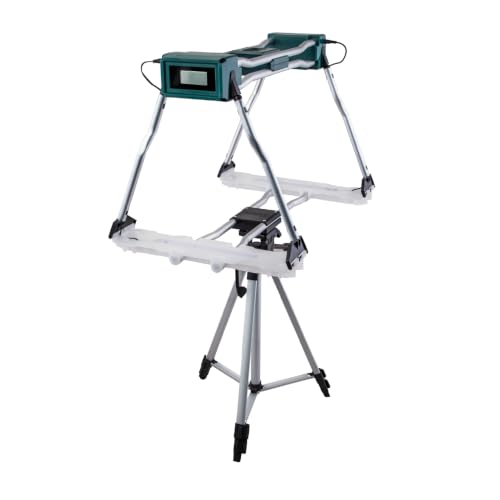
- Indoor-friendly LED panels improve visibility
- Tracks MPS and FPS for multiple shooting sports
- Rechargeable battery and case make it easy to carry
Best For: Shooter who wants an indoor-friendly chronograph with app logging and versatile use cases.
Best for Fast, Non-Contact Readings
Athlon Rangecraft Velocity Pro Radar Chronograph

- Radar-based chronograph with no skyscreens or lighting setup
- 2.4" display for quick bench-side velocity checks
- Bluetooth app support for real-time projectile speed readings
Best For: Shooters who want a versatile, contact-free chronograph that works across firearms, airguns, and archery.
Best for Compact Setup
Xcortech X310 Mini Pocket Chronograph

- Measures velocity, ROF, and muzzle energy
- Tiny 60g body is easy to carry and store
- Memory logging and ammo profiles simplify repeat checks
Best For: Airsoft players who want a small, tripod-ready chronograph for indoor testing.
Best for FPS/MPS Readouts
Ballistic Precision Chronograph Speed Tester

- FPS and MPS display for easy reading
- Broad range for firearms, bows, and projectiles
- Indoor/outdoor use with simple LCD operation
Best For: Shooter's and hobbyists who need a straightforward chronograph for speed checks.
Best for Comfort
Ballistic Chronograph for Shooting

- FPS, MPS, and Joules readings
- Works with arrows, airsoft, BBs, and more
- Compact metal housing for portable testing
Best For: Shooters who need a simple chronograph for indoor or shaded range use.
Most Versatile Multi-Sport Chronograph
Ballistic Chronograph for Rifle Shooting

- FPS, MPS, and Joule readings in one unit
- Compatible with bullets, arrows, and small test objects
- Durable aluminum and stainless steel build
Best For: Shooters and archers who want a flexible chronograph for practice, testing, and experiments.
Best for Indoor Range Use
Ballistic Precision Chronograph

- Large sensing area with easy-to-read LCD output
- Measures FPS, MPS, and joules with stored averages
- Works with rifles, pistols, arrows, and more
Best For: Shooters and hobbyists needing a versatile chronograph for low-light indoor testing.
Best for Easy Setup – Garmin Xero C1 Pro Compact Chronograph
If you want one of the most convenient indoor shooting chronographs to set up and use, the Garmin Xero C1 Pro is built for speed and simplicity. It measures a wide range of projectiles, from bullets and arrows to airsoft BBs, while keeping the process straightforward for range days or bench testing.
Best For: Shooters who want a portable chronograph with fast setup, clear readings, and app-based shot tracking.
Pros:
- Simple point-and-shoot setup with no complicated alignment
- Compact, pocketable design that travels easily
- Works with a wide velocity range for many projectile types
- ShotView app adds detailed logging and velocity analysis
Cons:
- Higher-priced than basic chronographs
- Battery life may be limiting for very long range sessions
For buyers comparing indoor shooting chronographs, this model stands out for its portability and low-friction workflow more than raw feature complexity. It is a strong choice if you value quick setup, readable results, and easy data capture over a larger bench unit.
Most Reliable for Range Setup – Competition Electronics ProChrono DLX Chronograph White
If you want a straightforward pick for indoor shooting chronographs, the Competition Electronics ProChrono DLX is built around practical range use rather than gimmicks. It’s a solid option for shooters who want dependable velocity readings, a familiar layout, and a chronograph that fits easily into a regular load-development workflow.
Best For: Shooters who want a dependable, no-fuss chronograph for routine indoor load testing and velocity checks.
Pros:
- Simple, proven design that’s easy to set up and use
- Useful for routine handload and ammunition velocity checks
- Compact enough for transport to different range sessions
Cons:
- Doesn’t offer advanced smart features or app integration
- Like most chronographs, it still depends on proper lighting and positioning
For shooters comparing indoor shooting chronographs, this model stands out for keeping the process simple and focused on the data that matters most. It’s a practical choice if you value consistency over extra features.
Best for Indoor Use – Caldwell G2 Ballistic Precision Chronograph
The Caldwell G2 Ballistic Precision Chronograph is a practical pick for shooters who need reliable velocity data from indoor shooting chronographs and outdoor setups alike. With LED lighting, app-based logging, and MPS/FPS readouts, it’s built to make chronograph sessions easier to see, record, and review.
Best For: Shooters who want a versatile, app-connected chronograph that works well indoors, supports multiple projectile types, and packs away easily.
Pros:
- Inverted LED panels help improve visibility for indoor shooting sessions
- Supports both MPS and FPS readings for firearms, archery, airguns, and paintball
- Rechargeable battery and carrying case make transport and storage simple
- App connectivity adds velocity logs, notes, weather data, and export options
Cons:
- Requires a compatible Bluetooth device for full app features
- Setup is less compact than some basic chronographs because of the tripod-style design
Overall, the G2 stands out as a flexible option for indoor shooting chronographs because it combines dependable sensor spacing with good visibility and useful data tracking. If you want one unit that can move between range environments without much hassle, this is a strong candidate.
,”summary_card”:{“label”:”Best for Indoor Use”,”short_title”:”Caldwell G2 Ballistic Precision Chronograph”,”bullets”:[“Indoor-friendly LED panels improve visibility”,”Tracks MPS and FPS for multiple shooting sports”,”Rechargeable battery and case make it easy to carry”],”best_for”:”Shooter who wants an indoor-friendly chronograph with app logging and versatile use cases.”}}}##language model to=final 天天中彩票网站json র্ঘ্ণ]}]}** to=final 久赢്“`json ಿಕ್ಕെ}**}]}]}]}**}]}]***
Best for Fast, Non-Contact Readings – Athlon Rangecraft Velocity Pro Radar Chronograph
If you want indoor shooting chronographs without the hassle of lighting, alignment, or skyscreens, the Athlon Optics Rangecraft Velocity Pro is built for convenience. Its radar-based design makes it a practical pick for measuring projectile speed from firearms, airguns, and archery setups, especially when you want a cleaner bench setup and quick readouts.
Best For: Shooters who want a versatile, contact-free chronograph that works across multiple projectile types and is easy to monitor from the bench.
Pros:
- Radar system avoids the setup issues common with optical chronographs
- 2.4" display makes velocity readings easy to check at a glance
- Bluetooth app support adds real-time tracking and convenience
- Works with firearms, airguns, and archery gear
Cons:
- Typically costs more than basic optical chronographs
- App-based features may be more than casual users need
For shooters comparing indoor shooting chronographs, this model stands out for its low-fuss radar approach and broad compatibility. It is especially appealing if you value quick setup, flexible use, and modern app connectivity over a bare-bones budget option.
Best for Compact Setup – Xcortech X310 Mini Pocket Chronograph
If you want a compact tool for checking BB velocity, ROF, and energy, the XCORTECH X310 is a smart fit for indoor shooting chronographs. It uses a high-density IR detector, supports a wide velocity range, and adds memory functions that make repeat testing easier in a home range or workshop.
Best For: Airsoft users who need a lightweight, tripod-ready chronograph with useful data tracking in a small footprint.
Pros:
- Very compact at just 60g, so it is easy to move and store
- Measures velocity, rate of fire, and muzzle energy
- Memory log and ammo profiles help with repeat testing
- Micro-USB input and tripod mount add flexibility
Cons:
- Uses AA power or external micro-USB, but no battery charging function
- Best suited to airsoft and projectile testing rather than general-purpose lab use
For indoor shooting chronographs, the X310 stands out because it combines portability with enough measurement depth for most airsoft tuning needs. It is a practical pick if you want a small unit that still handles velocity, ROF, and energy without taking up much space.
Best for FPS/MPS Readouts – Ballistic Precision Chronograph Speed Tester
If you want one of the more versatile indoor shooting chronographs for mixed projectile testing, this Ballistic Precision model is built around simple FPS/MPS readings, a large LCD, and broad velocity coverage. It’s a practical pick for shooters who want to measure rifles, pistols, arrows, and other projectiles without a complicated setup.
Best For: Shooters, hobbyists, and experimenters who need a basic chronograph for indoor or outdoor speed measurements.
Pros:
- Supports both FPS and MPS readings on a large LCD
- Wide measurement range for firearms, bows, and various projectiles
- Works in indoor and outdoor lighting conditions with strong sensitivity
- Lightweight, alloy-and-steel build with average and record viewing
Cons:
- Requires 4 AA batteries, which are not included
- Can be finicky if the light strip is installed backward
- More of a functional tester than a polished premium unit
For buyers comparing indoor shooting chronographs, this one stands out for straightforward operation and unusually broad projectile compatibility. It’s a sensible choice if you care more about reliable speed readings than extra smart features.
Best for Comfort – Ballistic Chronograph for Shooting
If you need a straightforward option for indoor shooting chronographs, this ballistic chronograph delivers FPS, MPS, and Joules readings in a compact, battery-powered design. Its photo-sensor setup is meant for controlled lighting, so it works best on an indoor range or in other shaded test areas.
Best For: Shooters who want an affordable, easy-to-read chronograph for indoor range testing, arrow speed checks, and other controlled-speed experiments.
Pros:
- Measures a wide range of projectiles, including arrows, airsoft, BBs, and slingshots
- Digital display shows FPS, MPS, and Joules for quick comparisons
- Lightweight aluminum alloy and stainless steel build is easy to move
- Broad claimed speed range up to 2000 m/s for versatile testing
Cons:
- Photo-sensor design should not be used in bright light or direct sunlight
- AA batteries are not included
- Tripod is not included
For indoor shooting chronographs, this model makes the most sense when you can control the lighting and want simple velocity readings without extra complexity. It is a practical pick for casual shooters, bow users, and hobbyists who need a portable testing tool.
Most Versatile Multi-Sport Chronograph – Ballistic Chronograph for Rifle Shooting
If you want one of the more flexible indoor shooting chronographs for rifles, bows, and general speed testing, this model stands out for its broad measurement range and easy-read LCD display. It’s a practical pick if you need FPS, MPS, and energy readings without a complicated setup.
Best For: Shooters, archers, and hobbyists who want a multi-use chronograph for practice, testing, and basic science projects.
Pros:
- Measures speed in FPS, MPS, and Joules for quick comparisons
- Works with bullets, arrows, and small fast-moving objects
- Large sensing area and sensitive detection help improve ease of use
- Aluminum and stainless steel construction adds durability and consistency
Cons:
- Not a specialized range or competition chronograph
- May be more than some casual users need for simple speed checks
Overall, this is a useful all-around choice if you want indoor shooting chronographs that can handle more than just one type of projectile. Its mix of multi-unit readings, sturdy materials, and broad compatibility makes it a solid utility tool for range work and experimentation.
Best for Indoor Range Use – Ballistic Precision Chronograph
If you want a straightforward readout for indoor shooting chronographs, this Ballistic Precision Chronograph focuses on practical velocity testing with FPS, MPS, and joules display. It’s built for projectiles like rifles, pistols, arrows, and shotguns, while also handling sport and experiment use cases where consistency matters.
Best For: Shooters and hobbyists who need a compact chronograph for indoor low-light testing and general projectile speed measurements.
Pros:
- Large sensing area and high sensitivity help make setup easier.
- LCD readout shows FPS, MPS, and joules, plus stored averages from 36 data sets.
- Aluminum alloy and stainless steel construction adds durability.
- Works with a wide range of projectiles, from pellets to arrows and balls.
Cons:
- Performs best in low light, so strong ambient light may require a hood.
- AA batteries are not included.
- Not ideal if you want a fully weatherproof outdoor-only setup.
For buyers comparing indoor shooting chronographs, this model stands out for its simple interface, broad projectile support, and low-light-friendly design. It’s a good fit if you want a versatile meter for range work, testing, or educational experiments without paying for extra frills.
How We Picked the Best Indoor Shooting Chronographs
We focused on models that make indoor testing practical: compact size, dependable readings, easy calibration, and clear displays. Because indoor ranges can have tighter space and more variable lighting, we favored chronographs that are straightforward to position and less dependent on ambient conditions.
We also considered compatibility across common uses, including airsoft, archery, slingshots, pellets, and firearm-adjacent velocity testing where appropriate. Readability, battery life, app support, and mount options mattered as well.
Quick Comparison: What Matters Most
For most buyers, the biggest differences come down to sensor type, display visibility, setup complexity, and whether the unit is better suited to close-range indoor use or mixed indoor/outdoor testing. Radar-based models tend to be more flexible, while traditional chronographs can be a simpler value choice if your setup is controlled.
Key Buying Factors for Indoor Shooting Chronographs
Lighting Independence
Indoor ranges often lack the consistent light that optical chronographs prefer. If your space is dim, look for models that are less sensitive to lighting conditions or include features that improve reliability indoors.
Readout Format
Choose the units you actually need. FPS is common for American shooters, while MPS is useful for international comparison. Some users also benefit from Joules, especially for airsoft and airgun applications.
Projectile Compatibility
Not every chronograph is equally well suited to arrows, pellets, BBs, paintballs, or bullets. Make sure the model you choose supports your primary use case and the speed range you expect to measure.
Setup and Space
Indoor bays can be cramped, so compact housing, tripod compatibility, and quick alignment are valuable. A chronograph that is easy to position and transport is often the better long-term buy.
Data Features
Some shooters only need a single speed reading, while others want shot strings, averages, Bluetooth syncing, or app tracking. If you test loads or tune gear often, those extras can save time.
Who Should Buy Which Indoor Shooting Chronographs?
If you want the easiest all-around option, a modern radar chronograph is a strong fit for Indoor Shooting Chronographs because it tends to be fast to set up and more forgiving in tricky light. If you mainly need a budget-friendly tool for occasional checks, a traditional optical unit can still make sense. Airsoft players, archers, and bow hunters should prioritize smaller projectiles, closer-range accuracy, and readable metric/FPS output. Competitive shooters and reloaders will usually get the most value from better logging, stable mounts, and repeatable measurements.
In short, match the chronograph to your range conditions, projectile type, and how much data you really need. That gives you a better result than chasing the highest specs alone.