If you split firewood often, the right tool makes a big difference in speed, effort, and control. For smaller logs, you usually want a balanced axe that bites cleanly without feeling oversized.
Below, we’ve rounded up the best options for splitting axes for small logs, with picks that favor comfort, efficiency, and real-world usability.
Best 10 Splitting Axes for Small Logs Picks for 2026
One-Piece Steel Splitting Maul
ESTWING Fireside Friend 14-inch maul

- Weighted wedge helps split firewood
- One-piece forged steel construction
- Shock reduction grip improves comfort
Best For: One-handed splitting of small logs and firewood
Long-Handle Power Splitter
Fiskars X32 32-inch splitting axe

- Built for logs over 30 cm
- Shock-absorbing FiberComp handle
- Low-friction blade resists rust
Best For: Larger logs and users who want a long-handle splitter
Heavy-Duty Long Maul
36-inch fiberglass splitting maul
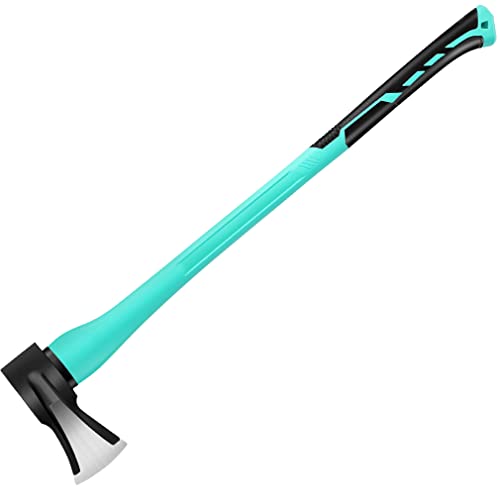
- Convex wing grind supports one-strike splits
- 6.8 lb forged carbon steel head
- Anti-slip fiberglass handle reduces strain
Best For: Regular firewood splitting and heavier-duty chopping
Heavy-Duty Long-Handle Splitter
Fiskars X36 Super Splitting Axe 36"

- 36" handle boosts swing speed for stronger splits
- Double-hardened steel blade resists binding and rust
- Shock-absorbing FiberComp handle improves comfort
Best For: Taller users splitting medium to large logs
Compact Kindling Maul
Edward Tools 17" 3 lb Splitting Maul
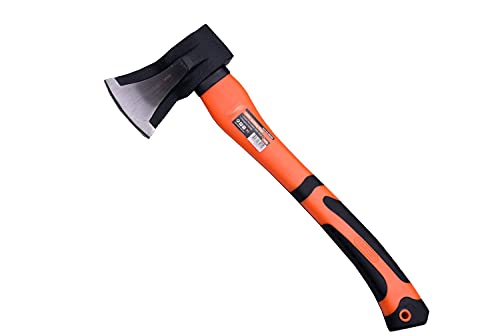
- 17" length is compact for small splitting jobs
- 3 lb. forged steel head adds chopping force
- Rubber sheath and shock-resistant handle improve safety
Best For: Kindling and small logs with a compact tool
Balanced Long-Handle Splitter
Fiskars X27 Super Splitting Axe 36"

- 36" handle gives taller users better leverage
- Forged steel blade is made to stay sharp longer
- Convex bevel helps split efficiently and release cleanly
Best For: Taller users splitting medium to large firewood
Heavy-Duty Splitter
KSEIBI 36-Inch Splitting Axe for Logs

- Forged carbon steel head for durable splitting
- 36-inch fiberglass handle adds leverage
- Anti-slip grip and shock reduction improve control
Best For: Users who want a heavy-duty splitter with extra leverage and comfort
Balanced Wood Splitter
Fiskars X25 Splitting Axe for Medium to Large Logs

- Bevel convex blade geometry helps power splits
- 28-inch design balances control and swing speed
- FiberComp handle is shock-absorbing and lightweight
Best For: Buyers who want a versatile splitter for fast, efficient log splitting
Ergonomic Maul
Fiskars Pro IsoCore 8 lb Splitting Maul

- IsoCore handle reduces strain and improves control
- Forged steel head is built for lasting durability
- 36-inch handle gives strong leverage for splitting
Best For: Taller users or anyone wanting a shock-absorbing maul for tough wood
Compact Shock-Control Splitter – Fiskars Pro IsoCore 2.5 lb 14-inch splitter
If you want splitting axes for small logs that are easier to control, this compact Fiskars maul is built for quick one-strike splits on kindling, firewood, and yard cleanup. The 14-inch size and 2.5 lb head make it a practical choice when you need power without moving up to a full-size splitter.
Best For: Small logs, kindling, firewood prep, and users who want a shorter, easier-to-handle splitting tool.
Pros:
- Sharp blade is designed for efficient one-strike splits on small logs and kindling.
- IsoCore shock control system helps reduce shock and vibration during swings.
- Textured non-slip grip improves control and helps prevent overstrike damage.
- Rust-resistant, heat-treated steel blade is built to stay sharper longer.
Cons:
- Shorter 14" design is less suited to large log splitting.
- 2.5 lb head is lighter than a full maul, so heavy rounds may take more effort.
This is a smart pick if your work leans toward smaller logs and general outdoor cleanup rather than heavy-duty splitting. It balances comfort, control, and durability in a compact format.
One-Piece Steel Splitting Maul – ESTWING Fireside Friend 14-inch maul
For splitting axes for small logs, this Estwing Fireside Friend leans into a weighted wedge design that makes chopping firewood and logs easier with one hand. Its forged steel construction and shock-reduction grip make it a sturdy option for backyard splitting jobs where durability matters.
Best For: One-handed splitting of small logs and firewood with a durable, all-steel build.
Pros:
- Weighted wedge design is made to help split logs and firewood more easily.
- Forged from one solid piece of American steel for durability and long life.
- Molded shock reduction grip is designed to reduce impact vibration by 70%.
- Includes a ballistic nylon sheath to protect the hand-sharpened edge.
Cons:
- Steel construction may feel less forgiving than lighter composite-handle tools.
- Best suited to small to medium splitting tasks rather than large log work.
This model stands out if you want a compact, rugged splitter with a traditional feel and excellent build quality. It is especially appealing for users who value a one-piece steel tool made in the USA.
Long-Handle Power Splitter – Fiskars X32 32-inch splitting axe
Although this is larger than typical splitting axes for small logs, the Fiskars X32 is built for strong, efficient splitting when you need more power and a wider wedge. Its balance, shock-absorbing handle, and low-friction blade coating are aimed at making repeated splitting easier on bigger rounds.
Best For: Splitting larger logs and firewood when you want a balanced, high-power axe with a long handle.
Pros:
- Masterfully balanced for more one-strike splits on logs over 30 cm.
- Wider blade and splitting wedge help disperse wood for easier removal.
- FiberComp handle absorbs shock and offers overstrike protection.
- Low-friction, double-hardened steel blade is made for sharpness and rust resistance.
Cons:
- 32-inch size is bulky if you only need a small-log splitter.
- More power than necessary for light kindling or quick yard cleanup.
If your cutting list is moving beyond small logs, this axe offers the reach and leverage to handle larger splitting jobs. It is a better fit for power and efficiency than for compact carry or tight spaces.
Heavy-Duty Long Maul – 36-inch fiberglass splitting maul
If you are comparing splitting axes for small logs and want something with extra reach, this 36-inch maul brings a heavy forged carbon steel head and a wedge-style blade for more one-strike splits. The fiberglass-composite handle and anti-slip grip are designed to help reduce strain during longer chopping sessions.
Best For: Firewood splitting, camp wood, and users who want a heavy-duty axe with a long handle.
Pros:
- Convex wing-grind blade is designed for easier one-strike splits.
- Forged, heat-treated carbon steel head adds durability and cutting strength.
- Fiberglass-composite handle with TPR grip helps reduce strain and slipping.
- Balanced wing head supports an effective swing and the blade can be resharpened.
Cons:
- 6.8 lb build is heavier than smaller splitting tools.
- 36-inch length is less convenient for compact storage or occasional light tasks.
This is a strong choice for users who prioritize driving power over portability. It makes more sense for regular firewood work than for quick, small-log trimming jobs.
Heavy-Duty Long-Handle Splitter – Fiskars X36 Super Splitting Axe 36"
If you want splitting axes for small logs, this Fiskars X36 is more tool than you need for tiny kindling, but it excels when the job shifts to larger rounds and stubborn firewood. The extra-long handle is built to amplify swing speed, while the wide forged blade and splitting wedge help drive through wood and release cleanly.
Best For: Taller users and anyone splitting medium to large logs who wants strong one-strike performance and a safer, high-control grip.
Pros:
- Long 36″ handle helps generate more swing speed and power
- Double-hardened steel blade with low-friction coating resists binding and rust
- Shock-absorbing FiberComp handle reduces fatigue during repeated swings
- Oversized SoftGrip and hooked end improve control
Cons:
- Primarily designed for large logs, not small kindling
- 36″ length may feel bulky in tight spaces
This is a strong pick if you want a premium splitter that prioritizes power, durability, and control over compact handling. For smaller logs, it may be more axe than you need, but it remains a capable all-around splitter for bigger firewood tasks.
Compact Kindling Maul – Edward Tools 17" 3 lb Splitting Maul
For splitting axes for small logs and kindling, this Edward Tools splitting maul is the most compact option in the group. Its 3 lb. forged steel head and 17-inch length are designed for quicker chopping, while the fiberglass handle adds shock resistance for controlled firewood work.
Best For: Splitting kindling and small logs when you want a short, manageable tool with more weight than a camp axe or hatchet.
Pros:
- 17″ compact size is easier to handle for small splitting jobs
- 3 lb. weighted head helps deliver quicker chopping force
- Forged steel blade is built for wood splitting
- Rubber sheath included for storage and safety
Cons:
- Shorter design offers less reach than full-size splitting axes
- Best suited to kindling and smaller wood, not large rounds
If you mainly split small logs, this maul offers a practical middle ground between a hatchet and a full-size axe. It is simple, compact, and purpose-built for controlled chopping rather than heavy-duty log splitting.
Balanced Long-Handle Splitter – Fiskars X27 Super Splitting Axe 36"
Among splitting axes for small logs, the Fiskars X27 is really aimed at medium to large wood, but it can still be a smart choice if you want a long-handle splitter with excellent control and efficiency. Its 36-inch handle is tuned for taller users, and the hardened forged steel blade is designed to stay sharp and split cleanly.
Best For: Taller users who want a reliable long-handle splitter for firewood, yard work, and medium to large logs.
Pros:
- 36″ handle suits taller users and helps with leverage
- Hardened forged steel blade stays sharper longer
- Convex bevel design helps split efficiently and release from wood
- Textured non-slip grip improves control and comfort
Cons:
- Better suited to medium and large logs than small kindling
- Long handle may be cumbersome for close-in, compact work
This model is a strong fit if you want one axe that handles general firewood duty well and does not feel flimsy. It is less specialized for small logs than the compact maul, but it brings dependable power and a comfortable grip for bigger splitting tasks.
Heavy-Duty Splitter – KSEIBI 36-Inch Splitting Axe for Logs
For splitting axes for small logs, this KSEIBI maul gives you a long 36-inch handle and a forged carbon steel head for strong leverage and durable chopping. The fiberglass handle is designed to absorb shock, while the anti-slip grip helps keep control when you’re working through firewood or kindling.
Best For: Users who want a heavy-duty splitter with extra leverage and a comfortable shock-reducing handle.
Pros:
- Forged carbon steel blade is built for strength and durability.
- 36-inch handle adds leverage for efficient splitting.
- Fiberglass handle helps reduce fatigue through shock absorption.
- Anti-slip grip improves control in wet conditions.
Cons:
- 36-inch size may feel oversized for very small or light-duty tasks.
- Heavier maul-style design is less nimble than a compact axe.
This is a practical choice if you want a longer splitter that emphasizes force, control, and durability over compact handling. The included blade cover is also useful for safer storage and transport.
Balanced Wood Splitter – Fiskars X25 Splitting Axe for Medium to Large Logs
If you’re comparing splitting axes for small logs but want room to handle bigger pieces too, the Fiskars X25 is built for efficient one-strike splits on medium to large logs. Its bevel convex blade geometry is designed to add power and make removal easier, while the balanced 28-inch design helps increase swing speed without feeling unwieldy.
Best For: Buyers who want a versatile splitting axe for fast, efficient splits on medium to large logs.
Pros:
- Bevel convex blade geometry adds power to each split.
- 28-inch handle offers a more manageable size than longer mauls.
- Balanced power-to-weight ratio supports faster swing speed.
- Shock-absorbing FiberComp handle is lightweight and durable.
Cons:
- Designed primarily for medium to large logs rather than tiny kindling.
- Not as long as 36-inch mauls if you want maximum leverage.
This is a strong all-around option if you want a splitter that feels quick and controlled while still delivering serious power. The protective sheath and lifetime warranty add value for long-term use.
Ergonomic Maul – Fiskars Pro IsoCore 8 lb Splitting Maul
For splitting axes for small logs and tougher firewood alike, this Fiskars Pro IsoCore maul focuses on comfort, control, and long-lasting performance. The 36-inch handle pairs with an IsoCore shock-absorbing design and textured non-slip grip, while the forged steel head is built to stay sharp longer and split efficiently.
Best For: Taller users or anyone who wants a shock-absorbing splitting maul for demanding wood-splitting work.
Pros:
- IsoCore handle reduces hand strain and improves control.
- Forged steel head is designed for durability and long-lasting sharpness.
- 36-inch handle provides strong leverage for splitting.
- Protective sheath included for storage and transport.
Cons:
- 8 lb maul is heavier than a compact splitting axe.
- Long handle may be more tool than needed for very light tasks.
This model stands out for users who value comfort features and a sturdy, dependable build. If you want a heavier maul with a proven ergonomic handle and lifetime warranty, it’s an easy one to consider.
How We Picked the Best Splitting Axes for Small Logs
For Splitting Axes for Small Logs, the most important factors are control, striking accuracy, and how well the tool moves through short, knot-free wood. We focused on models with dependable head geometry, comfortable handles, and weights that make sense for lighter splitting work. We also favored designs that can handle occasional larger rounds without becoming awkward for routine kindling and small firewood.
Quick Comparison
In general, shorter axes and lighter mauls are easier to steer, while longer-handled splitters deliver more leverage and momentum. If you value precision and lower fatigue, a compact design is usually the better fit. If you want more power per swing and split a wider variety of logs, a longer model can be worth the extra length.
Key Buying Factors for Splitting Axes for Small Logs
Head Weight and Balance
Heavier heads can increase splitting force, but they may feel tiring on smaller logs where brute force is unnecessary. A well-balanced head is often more important than raw weight because it helps you place the blade accurately and split with less wasted motion.
Handle Length
Shorter handles are easier to control in tighter spaces and are often a better match for quick, repeatable splitting. Longer handles add leverage, which can help on tougher wood, but they can be slower and less convenient if you only process small logs and kindling.
Forged Head and Wedge Shape
Look for a forged steel head with a splitting-oriented profile rather than a thin chopping blade. A wider wedge helps pry wood apart after the initial strike, which is especially useful when you want clean splits from compact rounds.
Grip, Shock, and Safety
Comfort matters when you’re taking many controlled swings. Shock-reducing handles, secure grips, and good overall ergonomics help reduce hand fatigue and improve confidence. For small-log work, safety also comes from choosing a tool that feels predictable in your hands.
Who Should Buy Which Splitting Axes for Small Logs?
If you mainly split kindling or small, easy rounds, choose a lighter, shorter axe that prioritizes control. If you handle mixed firewood and want one tool that can cover more jobs, a mid-length splitter is the most versatile option. If you’re taller or prefer stronger leverage, a longer-handled maul can be a better fit, even if it is more tool than you need for the smallest pieces.
For most buyers comparing Splitting Axes for Small Logs, the best choice is the one that matches your body size, your typical wood diameter, and how often you split. A tool that feels easy to aim and comfortable to repeat is usually the one you’ll use most.