Choosing the right maul can make firewood splitting feel manageable instead of exhausting. For first-time buyers, the best option is usually a tool that offers enough weight to drive clean splits without becoming awkward or hard to control.
Below, we focus on beginner-friendly choices across different handle lengths, head weights, and materials so you can match the tool to your strength, skill level, and the size of the logs you plan to split.
Best 10 Splitting Mauls for Beginners Picks for 2026
Beginner-Friendly Comfort
Fiskars Pro IsoCore 8 lb Splitting Maul

- IsoCore handle helps absorb shock.
- Textured non-slip grip improves control.
- 36-inch reach suits taller users.
Best For: New users who want comfort, control, and strong splitting power.
Secure Head Design
Crescent HEADLOCK 8 lb Fiberglass Maul

- HEADLOCK system helps keep the head secure.
- Vibration control handle reduces shock.
- Overstrike protection adds durability.
Best For: Beginners who value safety features and steady handling.
Lightweight Power Option
Fiskars X25 28-inch Splitting Axe

- Balanced design boosts swing speed.
- Shock-absorbing handle stays lightweight.
- Convex blade geometry helps release wood.
Best For: Beginners who want a lighter splitter for medium to large logs.
Budget Starter Pick
Truper 4.5 lb Rapid Splitting Maul

- Light 4.5 lb head is easier to handle.
- Fiberglass handle adds durability.
- Simple design is less intimidating.
Best For: First-time users who want the lightest, most manageable option.
Classic One-Piece Steel Maul

- One-piece forged American steel construction
- Shock reduction grip helps cut vibration
- Weighted wedge design for easier splitting
Best For: Beginners who want a tough, simple maul with a comfortable grip
Heavy-Duty Long-Handle Pick

- 8-pound head for strong splitting power
- 36-inch fiberglass handle adds reach
- Rubber grip and overstrike protection
Best For: Beginners who want leverage and heavier striking power
Compact Kindling Splitter
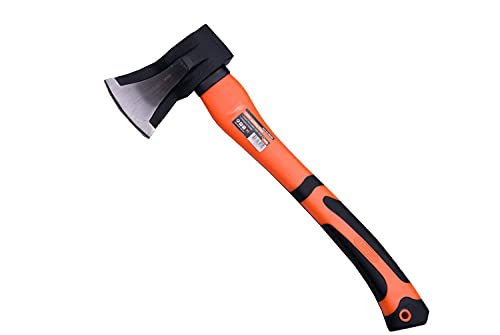
- Compact 17-inch size is easy to handle
- Forged steel head with weighted design
- Shock-resistant fiberglass handle and sheath
Best For: New users who want a smaller maul for kindling and lighter splitting
Entry-Level Heavy Splitter

- 3 lb head is easier to control
- 16-inch hickory handle keeps it compact
- Drop-forged, rust-resistant build for outdoor use
Best For: Beginners wanting a compact, traditional maul for lighter splitting
Best Heavy-Duty Pick

- Winged blade is designed to reduce sticking
- 15-inch, lightweight build is easy to control
- Fiberglass handle adds shock absorption and grip
Best For: New users splitting kindling and smaller logs
Heavy-Duty Starter Pick
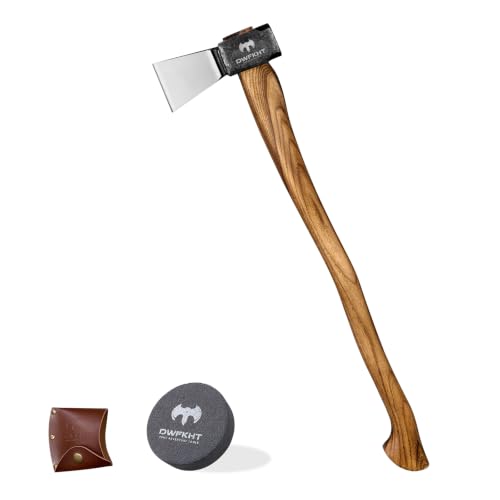
- 6.6 lb head delivers strong splitting force
- 31.3-inch hickory handle adds leverage
- Leather sheath included for storage and travel
Best For: Beginners ready for a heavier maul with more power
Beginner-Friendly Comfort – Fiskars Pro IsoCore 8 lb Splitting Maul
If you’re comparing splitting mauls for beginners, this Fiskars model stands out for its shock-absorbing IsoCore handle and non-slip grip, which help reduce hand strain and improve control. The 36-inch length also makes it a practical option for taller users who want a steadier swing for medium to large logs.
Best For: Beginners who want a comfortable, high-control maul for splitting medium to large firewood.
Pros:
- IsoCore handle helps absorb shock and reduce hand strain.
- Textured non-slip grip improves control during swings.
- Steel blade is designed to stay sharper longer.
- Protective sheath included for storage.
Cons:
- 36-inch handle may feel large for shorter users.
- 8 lb head can be more demanding for first-time users.
Overall, this is a well-rounded choice if you want beginner-friendly handling with the extra reach and power needed for tougher logs. Its ergonomic design and durable build make it easier to learn on without sacrificing splitting performance.
Secure Head Design – Crescent HEADLOCK 8 lb Fiberglass Maul
For buyers looking at splitting mauls for beginners, the Crescent HEADLOCK model focuses on safety-minded construction and easier handling. Its multiple-point head lock, overstrike protection, and vibration control handle are all aimed at making swings feel more secure and less punishing.
Best For: Beginners who want a stable, vibration-reducing maul with added head security.
Pros:
- HEADLOCK system helps prevent the head from separating from the handle.
- Overstrike protection defends against mishits.
- Fiberglass core reduces shock and vibration.
- Ergonomic grip supports a comfortable swing.
Cons:
- 8 lb head may still be heavy for some first-time users.
- More safety-focused than lightweight or compact.
This is a smart pick if your priority is confidence and durability while learning proper splitting form. The combination of head retention, impact protection, and vibration control makes it an approachable option for regular firewood work.
Lightweight Power Option – Fiskars X25 28-inch Splitting Axe
If you want splitting mauls for beginners but prefer something easier to swing than a full 8 lb maul, the Fiskars X25 is worth a look. Its balanced design, shock-absorbing handle, and advanced blade geometry are built to help deliver one-strike splits on medium to large logs with less effort.
Best For: Beginners who want a lighter, easier-to-swing splitter for medium to large logs.
Pros:
- Perfected balance and power-to-weight ratio help increase swing speed.
- Shock-absorbing FiberComp handle is lightweight and strong.
- Convex blade geometry helps split wood and release more easily.
- Protective sheath included.
Cons:
- It is a splitting axe style, not a traditional heavy maul.
- 28-inch length may offer less leverage than longer mauls.
This is a practical middle-ground choice for beginners who want manageable handling without giving up serious splitting ability. It should feel less demanding than heavier mauls while still being built for firewood tasks.
Budget Starter Pick – Truper 4.5 lb Rapid Splitting Maul
Among splitting mauls for beginners, the Truper 4.5 lb Rapid Splitting Maul is the simplest and lightest option in this group. Its lower head weight and fiberglass handle make it a more approachable tool if you want something easier to manage for basic splitting tasks.
Best For: First-time users who want a lighter maul for easier handling.
Pros:
- 4.5 lb head is lighter than the other mauls here.
- Fiberglass handle adds durability for everyday use.
- Compact, straightforward design may feel less intimidating.
Cons:
- Less head weight means less driving force on tough logs.
- Product details are limited compared with the others.
If your main goal is to start with a more manageable tool, this Truper maul keeps things simple. It won’t offer the same heavy striking power as the 8 lb models, but it may be a friendlier entry point for learning the basics.
Classic One-Piece Steel Maul – ESTWING Fireside Friend
If you want one of the more beginner-friendly splitting mauls for beginners, this ESTWING model keeps the design straightforward: a weighted wedge for easier log splitting, a one-handed feel, and a forged one-piece steel build that avoids weak welds or castings.
Best For: New firewood splitters who want a durable, all-in-one maul with a comfortable grip and low-maintenance construction.
Pros:
- Forged from one solid piece of American steel for maximum durability.
- Shock reduction grip is designed to reduce vibration and improve comfort.
- Weighted wedge shape is made to make splitting wood easier.
- Includes a ballistic nylon sheath to protect the cutting edge.
Cons:
- Finish may vary and can be blasted or painted.
- Heavier, forged construction may be less forgiving for users who prefer a lighter tool.
This is a strong pick if you value long-term toughness and simple, dependable performance. It leans more toward durability and grip comfort than extra features, which is often exactly what a beginner needs in a splitting maul.
Heavy-Duty Long-Handle Pick – Truper 8-Pound Splitting Maul
For splitting mauls for beginners who want extra leverage, this 8-pound Truper maul uses a 36-inch fiberglass handle and a round bevel-edged striking face to help drive wood apart with more reach and control.
Best For: Beginners who want a longer handle and a heavier head for splitting firewood with fewer swings.
Pros:
- 8-pound head adds strong driving force for firewood splitting.
- 36-inch fiberglass handle gives extra reach and leverage.
- Double-injected handle with rubber grip improves handling and control.
- Overstrike protection helps guard the handle.
Cons:
- The 8-pound head may feel demanding for first-time users.
- Longer handle can be less compact for storage or tight spaces.
This is the most traditional heavy-duty option in the group, and its size is the main advantage. If you want power and reach more than compactness, it is built to do that job well.
Compact Kindling Splitter – Edward Tools 17-Inch Maul
If you are looking at splitting mauls for beginners and want something shorter and easier to handle, this Edward Tools maul combines an axe and sledge style in a 17-inch size with a weighted forged steel head for kindling and smaller firewood tasks.
Best For: New users who want a compact splitting tool for kindling and lighter wood-splitting jobs.
Pros:
- 17-inch length is compact and easier to manage.
- Forged steel head and weighted design are built for quicker chopping.
- Fiberglass handle is shock resistant for added comfort.
- Rubber sheath included for safety and storage.
Cons:
- Shorter length may provide less leverage than full-size mauls.
- Better suited to kindling and lighter jobs than large rounds.
This model makes sense if you want a smaller, less intimidating entry point. It trades some power and leverage for easier handling, which can be a smart balance for first-time buyers.
Entry-Level Heavy Splitter – Truper 3LB Splitting Maul
If you’re looking at splitting mauls for beginners, this 3 lb Truper is a straightforward place to start. The 16-inch hickory handle keeps the tool compact, while the drop-forged, deep-tempered head and rust-resistant finish are built for basic firewood work and occasional outdoor use.
Best For: Beginners who want a compact, traditional maul for smaller splitting jobs and easier handling.
Pros:
- 3 lb head is lighter and easier to manage than full-size mauls
- 16-inch hickory handle offers a familiar wood-handle feel
- Drop-forged, deep-tempered head adds durability
- Heat- and rust-resistant finish helps it hold up outdoors
Cons:
- Shorter handle gives less leverage than longer mauls
- May be better suited to lighter splitting than big hardwood rounds
Overall, this is a simple, no-frills splitting maul that favors control and ease of use over raw power. For a beginner who wants a manageable tool with traditional construction, it’s a practical option.
Best Heavy-Duty Pick – Wood Splitting Maul 15"
This compact option stands out in splitting mauls for beginners because it’s designed for lighter, more controlled swings. The winged blade shape is made to push wood fibers apart instead of getting stuck, and the fiberglass handle is meant to absorb shock while keeping the tool easy to carry and store.
Best For: New users who want a lightweight splitter for kindling, campfire prep, and smaller logs.
Pros:
- Winged blade design is built to reduce binding in wood
- Lightweight 1.6 lb head and 15-inch length are easy to handle
- Fiberglass handle with TPR grip helps absorb vibration
- Compact size makes it convenient for camping or truck storage
Cons:
- Shorter, lighter build is not ideal for large heavy logs
- More of a compact splitter than a traditional full-size maul
If you want a beginner-friendly tool that feels less intimidating than a big maul, this model keeps things light and controlled. It’s especially sensible for kindling and smaller splitting jobs where portability matters.
Heavy-Duty Starter Pick – 31.3-Inch Splitting Maul
For beginners who want more power from the start, this 31.3-inch tool is one of the heavier splitting mauls for beginners to consider. Its 6.6 lb forged 1065 high carbon steel head is designed to drive deep into wood, while the long hickory handle adds leverage and a more traditional splitting feel.
Best For: Beginners who are comfortable with a heavier tool and want extra leverage for larger firewood.
Pros:
- 6.6 lb head provides strong impact for tough logs
- 31.3-inch length and hickory handle increase leverage
- Forged 1065 high carbon steel head is built for durability
- Includes a leather sheath for storage and transport
Cons:
- Heavier head can be tiring for first-time users
- Longer size may feel less manageable than compact options
This maul makes sense if you want a more powerful splitting tool and don’t mind the added weight. It offers the most leverage of the three, but beginners should be ready for a bigger swing and a more demanding learning curve.
How We Picked Splitting Mauls for Beginners
For Splitting Mauls for Beginners, we prioritized control, safety, and forgiving performance over sheer brute force. That means favoring balanced head weights, comfortable grips, durable handles, and designs that reduce missed strikes and hand fatigue.
We also looked for options that cover different use cases: lighter mauls for learning technique, midweight models for regular backyard firewood, and heavier picks for larger rounds. The goal is to help you choose a tool that matches your current ability, not just the biggest head weight available.
Quick Comparison
In general, 2.25 to 4.5 lb models are easiest to learn with, especially if you are splitting smaller logs or want more control. Around 6.6 to 8 lb is better when you need more driving power for tougher wood, but these tools demand better form and more stamina. Handle length matters too: shorter mauls are easier to steer, while longer handles usually generate more force.
Key Buying Factors for Splitting Mauls for Beginners
Head Weight
Start with a weight you can swing repeatedly with good accuracy. Too much weight can lead to poor form, early fatigue, and unsafe glancing blows. If you are new to wood splitting, a midweight option is often the most practical starting point.
Handle Material and Grip
Fiberglass and composite handles tend to absorb shock well and are low maintenance. Hickory can feel more traditional and comfortable, but it may require a little more care. A secure, non-slip grip is especially important when you are learning.
Handle Length
Longer handles increase leverage and striking power, but they can be harder to control at first. Shorter models can be easier for beginners to place accurately, especially in tight spaces or when splitting smaller pieces.
Balance and Forgiveness
A well-balanced maul often feels lighter than it looks. For beginners, that can matter more than raw weight because a tool that tracks straight and lands cleanly is easier to trust and safer to use.
Who Should Buy Which Splitting Mauls for Beginners?
If you are new to splitting wood and want the easiest learning curve, choose a lighter or midweight maul with a comfortable shock-absorbing handle. If you split medium to large logs regularly, move up to a heavier model with a longer handle for more power. If you value portability or lighter household use, a compact design may be the best fit, especially for occasional firewood tasks.
For most beginners, the smartest approach is to buy the lightest maul that can still handle your typical wood size. That keeps technique clean, reduces fatigue, and makes it easier to build confidence as your skills improve.