Choosing trail cameras for public land is different from setting up a camera on private property. You need a model that stays discreet, survives rough weather, and gives you dependable images without drawing attention.
Below, we focus on trail cameras that balance concealment, trigger speed, image quality, and battery efficiency so you can scout smarter and reduce unnecessary disturbance.
Best 10 Trail Cameras for Public Land Picks for 2026
Budget Non-Cellular Pick
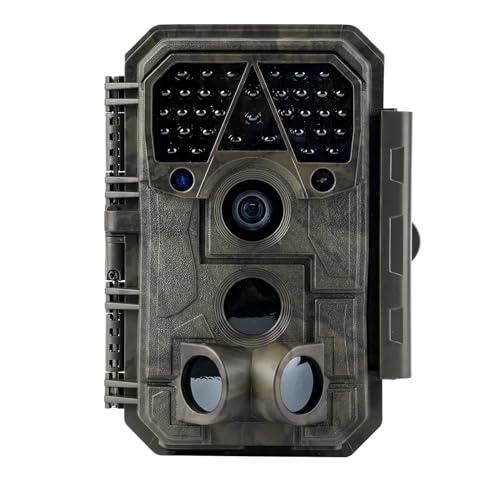
- 64MP photos and 1296p video
- 0.1s trigger speed
- 100ft no-glow night vision
Best For: users who want a simple local-storage camera for public land scouting
Premium Cellular Option
Moultrie Edge 2 Pro Cellular Trail Camera

- 40MP photos and 1440p video with audio
- Remote app control and live aim preview
- Built-in 8GB storage with cloud backup
Best For: hunters who want a connected public land camera with remote monitoring
Simple Starter Pick

- 36MP photos and 2K video
- 850nm IR LEDs for night shots
- IP66 waterproof and beginner-friendly
Best For: new users wanting an easy, budget trail camera for public land
Best Cellular 2-Pack
Tactacam Reveal X Gen 3.0 2-Pack

- Two cellular cameras included
- Built-in storage with optional SD card
- Low-glow flash and GPS
Best For: hunters covering multiple public land spots with remote image access
Budget Multi-Pack Scouting

- 3 cameras included for multi-spot scouting
- 0.2s trigger with 120° wide angle coverage
- Includes SD card, batteries, and reader
Best For: Affordable public-land scouting across several locations
Remote Cellular Scout
Edge 3 2-Pack Cellular Cameras
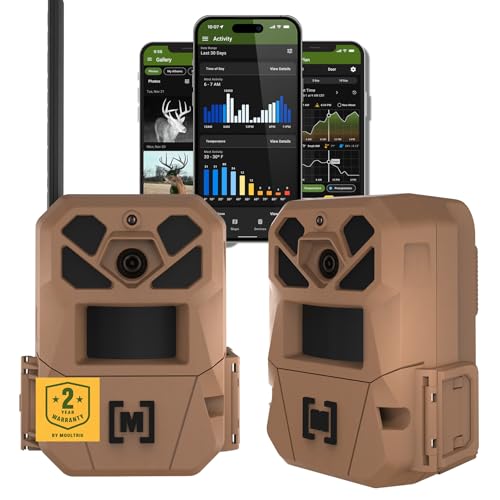
- Sends photos and video through cellular networks
- AI buck detection with instant app alerts
- Built-in GPS helps track camera locations
Best For: Remote public-land scouting with fewer site visits
Solar Long-Haul Monitor

- Solar panel plus 7800mAh battery for extended runtime
- 0.1s trigger with 60MP photos and 4K video
- Includes 32GB card and app-based WiFi access
Best For: Extended public-land monitoring with reduced battery changes
Premium Cellular Scout

- 4K photo and 1080p video with dual sensors
- LTE cellular transmission; no home WiFi needed
- IP66 waterproof with selectable no-glow/low-glow IR
Best For: hunters wanting a premium cellular cam for long public-land sets
Budget Stealth Pick
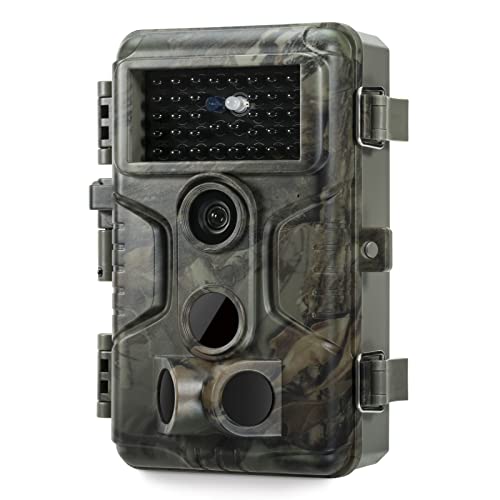
- 64MP photos and 1296P HD video with sound
- 0.1-second trigger and 100 ft no-glow night vision
- Non-cellular, low-power design for SD card retrieval
Best For: hunters who prefer a simple, stealthy card-check camera
Best Value Twin Pack

- Two cellular cameras in one pack for broader coverage
- Free plan includes up to 100 photos per month
- Dual-SIM LTE, GPS, and app-based control
Best For: hunters who want two connected cameras and affordable scouting coverage
Budget Non-Cellular Pick – Meidase P70 Trail Camera
If you want trail cameras for public land without paying for cellular service, the Meidase P70 is a straightforward option with strong image quality and fast response. It focuses on local recording, making it a practical choice when you just need reliable scouting footage and easy playback in the field.
Best For: Hunters and land managers who want a non-cellular trail camera with sharp daytime detail and invisible nighttime flash.
Pros:
- 64MP stills and 1296p video for detailed scouting footage
- 0.1s trigger speed helps catch fast-moving deer and other wildlife
- 100ft no-glow night vision uses 940nm LEDs to stay discreet
- 2.4-inch color display makes on-site review simple
Cons:
- Requires an SD card and 8 AA batteries, both sold separately
- No cellular or Wi-Fi connectivity for remote checking
- Solar setup depends on a separately sold Meidase panel
For public land scouting, this model makes sense if you prefer a classic camera-and-card setup and want good performance without a subscription. It is best viewed as a high-resolution, low-maintenance trail camera for checking cameras in person.
Premium Cellular Option – Moultrie Edge 2 Pro Cellular Trail Camera
The Moultrie Edge 2 Pro is built for trail cameras for public land when you want remote access and less guesswork. Its cellular connection, app controls, and built-in storage make it easier to monitor a hunt spot without pulling the card every time.
Best For: Public land hunters who want a fully connected trail camera with app control and built-in storage.
Pros:
- 40MP photos and 1440p video with audio for crisp coverage
- Cellular connectivity with remote on-demand control through the app
- AI false trigger elimination helps cut down unwanted captures
- Built-in 8GB memory plus unlimited cloud backup removes SD-card dependence
Cons:
- Requires cellular setup and app activation to use the remote features
- Battery-powered design may benefit from optional power accessories
- More expensive and feature-heavy than a basic local-storage camera
If you value checking cameras from home, this one stands out for its remote convenience and useful app tools. It is a strong fit for public land situations where fewer visits can mean less disturbance.
Simple Starter Pick – CEYOMUR 36MP Trail Camera
For trail cameras for public land on a tighter budget, the CEYOMUR trail camera keeps things simple and functional. It is aimed at beginners who want an easy setup, dependable motion capture, and solid nighttime performance without a complicated feature set.
Best For: Beginners and budget-minded hunters who want an easy-to-use, non-cellular trail camera for wildlife monitoring.
Pros:
- 36MP photos and 2K video provide solid overall image quality
- 850nm IR LEDs are designed for brighter black-and-white night shots
- Integrated one-side layout makes field setup easier
- IP66 waterproof build suits rain, dust, heat, and cold
Cons:
- Battery and memory card are not included
- No cellular or app-based remote access
- Less feature-rich than higher-end scouting cameras
This is a practical pick if you want a basic camera that is easy to get running and sturdy enough for outdoor use. It is especially appealing for users who value simplicity over advanced wireless features.
Best Cellular 2-Pack – Tactacam Reveal X Gen 3.0 2-Pack
If you need trail cameras for public land and want multiple setups covered at once, this Tactacam Reveal X Gen 3.0 two-pack is built around cellular convenience. It sends photos to your phone through the REVEAL app, uses low-glow flash, and comes ready for faster deployment with built-in storage and a pre-activated SIM card.
Best For: Hunters who want a two-camera cellular setup for remote scouting and quicker deployment.
Pros:
- Includes two cellular cameras for covering more than one location
- Built-in storage means an SD card is optional, not required
- Low-glow IR flash stays discreet day and night
- Pre-installed antenna, GPS, and 3-shot burst mode add convenience
Cons:
- Sold as a 2-pack, which may be more camera than some buyers need
- Cellular use depends on app setup and activation
- Battery-powered design may still call for accessories for longer runtime
This package makes sense when you want to scale up your coverage without rebuilding your scouting setup from scratch. For public land, the ability to check images remotely can save time and reduce disturbance.
Budget Multi-Pack Scouting – 3-Pack 4K Mini Trail Cameras
If you need trail cameras for public land that are easy to deploy in multiple spots, this WOSODA 3-pack is built around value and simplicity. It pairs 4K video and 48MP photos with a 0.2s trigger, 120° wide angle coverage, and no-glow night vision, making it a practical choice for covering travel corridors, field edges, or several scouting locations without a lot of setup.
Best For: Hunters who want an affordable three-camera setup for broad public-land scouting and basic security use.
Pros:
- 3-pack makes it easier to cover multiple public-land spots at once
- 0.2s trigger speed helps catch fast movement
- 120° wide lens and 80 ft detection range provide broad coverage
- Includes 16GB card, AA batteries, and card reader to get started quickly
Cons:
- Uses SD-card storage rather than cellular transmission
- Needs AA batteries instead of a built-in rechargeable pack
- Best suited to hands-on checking rather than remote monitoring
Overall, this is a straightforward option for hunters who value quantity, quick trigger performance, and easy deployment over connected features. For public land, the wide sensor and no-glow night vision make it a sensible low-profile scouting tool.
Remote Cellular Scout – Edge 3 2-Pack Cellular Cameras
For trail cameras for public land where you want fewer check-ins, the Moultrie Edge 3 stands out because it sends HD photos and video through cellular service. The 40MP sensor, 0.5s trigger, low-glow flash, built-in GPS, and AI buck detection are designed to help you monitor deer movement and camera placement without walking back to the site constantly.
Best For: Hunters who want remote cellular scouting on public land with app-based alerts and location tracking.
Pros:
- Cellular upload with multi-carrier auto-connect for remote scouting
- AI buck detection and instant alerts help filter activity fast
- Built-in GPS makes it easier to track camera locations
- 2-pack gives you coverage on multiple public-land setups
Cons:
- Requires a cellular plan, starting at $9.99
- Higher-tech setup than a basic SD-card camera
- Works best where you have reliable network coverage
This is the strongest pick here for hunters who want to scout from anywhere and reduce disturbance on pressured ground. If you value timely alerts and less foot traffic on your setup, the Edge 3 is built for that job.
Solar Long-Haul Monitor – 4K 60MP Solar WiFi Game Cam
If you want trail cameras for public land with strong image quality and less battery swapping, this solar WiFi game cam brings together 4K video, 60MP photos, a 0.1s trigger, and a dual-power system. The 7800mAh battery and 3.5W solar panel are the headline features, while low-glow night vision and app control make it useful for longer-term wildlife monitoring when you can reach the setup occasionally.
Best For: Hunters who want a solar-assisted camera for extended public-land monitoring with app-based access.
Pros:
- Solar panel plus 7800mAh battery supports longer runtimes
- 4K video and 60MP photos deliver detailed images
- 0.1s trigger speed is excellent for fast-moving game
- Includes a 32GB SD card and supports app preview/download over WiFi
Cons:
- WiFi hotspot access is not the same as true cellular coverage
- Best performance depends on available sunlight for the solar system
- Remote management range is limited compared with cellular cameras
This model fits hunters who want extended runtime and detailed media without moving to a cellular plan. On public land, its solar support and low-profile design can reduce maintenance while still delivering sharp scouting results.
Premium Cellular Scout – Tactacam Reveal Pro 4.0
If you’re comparing trail cameras for public land, the TACTACAM Reveal Pro 4.0 is built for hunters who want cellular convenience without giving up image quality. It sends photos and video over LTE, includes built-in GPS, and uses a fast sub-0.3-second trigger to help catch deer that move through quickly.
Best For: hunters who want a premium cellular camera with strong battery life, flexible IR options, and no need for home WiFi.
Pros:
- 4K photo and 1080p video with Dual Image Sensors for improved daytime and nighttime captures
- Cellular-only LTE transmission means no property WiFi is required
- Selectable no-glow or low-glow IR flash reaches up to 96 ft
- IP66 waterproof rating and built-in GPS for tougher field use
Cons:
- Requires cellular service rather than a non-connected SD-card workflow
- Premium feature set may be more camera than casual users need
For public-land scouting, this model leans toward efficiency and image quality over simplicity. The built-in storage, Live View, and strong weather resistance make it a capable long-deployment option when you want fewer trips into the woods.
Budget Stealth Pick – GardePro A3S Low-Light Camera
For hunters shopping trail cameras for public land, the GardePro A3S is a straightforward non-cellular option that focuses on image quality, stealth, and low-power operation. It captures 64MP photos and 1296P video, then keeps things quiet by using no-glow infrared and SD-card retrieval instead of wireless transmission.
Best For: hunters who want a simple, stealthy, non-cellular camera with strong night performance and minimal power use.
Pros:
- Sony Starvis sensor for stronger low-light performance
- 64MP photos and 1296P HD video with sound
- 0.1-second trigger speed with 120° PIR detection angle
- 100 ft no-glow night vision for discreet monitoring
Cons:
- Non-cellular and non-WiFi design requires SD card checks
- Batteries are not included
- Best suited to users who are comfortable pulling cards in the field
This is a practical choice if you want to avoid service plans and keep the camera simple. Its stealthy night vision and low-power design make it a solid fit for public-land setups where reliability and concealment matter more than instant phone alerts.
Best Value Twin Pack – Spypoint Flex-M Cellular Pair
If you need trail cameras for public land and want more coverage for the money, the SPYPOINT Flex-M Twin Pack is an easy value play. These cellular cameras use dual-SIM LTE, GPS, and app control to send images without WiFi, while the twin-pack format helps cover multiple spots right away.
Best For: hunters who want two cellular cameras with app management, GPS, and a low-cost way to monitor more ground.
Pros:
- Twin-pack gives you two cellular cameras in one purchase
- Free photo transmission plan includes up to 100 photos per month
- Dual-SIM LTE with cross-carrier coverage for easier connectivity
- App-based control with maps, weather, and Buck Tracker AI filtering
Cons:
- Video is limited to 720p
- Free plan caps transmissions at 100 photos per month
- Water resistance is IP65, not the higher IP66 rating found on some rivals
For scouting larger public-land areas, the Flex-M Twin Pack offers a good mix of convenience and coverage. The lower-resolution video is a tradeoff, but the app features and free transmission option make it a strong value for hunters who want cellular access without a large upfront commitment.
How We Picked the Best Trail Cameras for Public Land
For Trail Cameras for Public Land, we prioritized low-visibility operation, dependable motion detection, solid night performance, weather resistance, and battery life. Cellular models were favored where remote check-ins reduce pressure on the property, while non-cellular cameras were included for hunters who prefer lower costs and simpler setup.
We also looked at practical features that matter in the field, such as no-glow flash options, fast trigger response, GPS or app-based management, and durability for long hangs in changing conditions.
Quick Comparison
Choose cellular cameras if you want fewer site visits and easier monitoring. Choose non-cellular cameras if you want lower upfront cost and don’t mind swapping cards. Solar or larger battery systems can help on remote setups, but they should not replace good placement and careful cellular signal checks.
Key Buying Factors for Trail Cameras for Public Land
Stealth and Flash Type
No-glow infrared is usually the safest choice when visibility matters. It helps keep your setup less obvious to people and less likely to spook game in heavily pressured areas.
Trigger Speed and Recovery
A fast trigger speed helps capture moving deer or other wildlife before they exit the frame. Recovery time matters too, especially on trails, scrapes, and pinch points where multiple animals may pass through quickly.
Battery Life and Power Options
Public land often means longer gaps between visits, so battery efficiency is important. Look for cameras with good standby performance, support for larger battery packs, or solar help if the location gets enough light.
Connectivity and Ease of Use
Cellular trail cameras can save time and reduce disturbance by sending images remotely. Multi-carrier support, app control, and simple activation are especially helpful if you scout multiple areas or move cameras often.
Image Quality and Night Performance
High megapixel counts are useful, but low-light clarity and consistent exposure matter more in real use. Pay attention to video quality, infrared range, and how well the camera handles dark backgrounds and close-range subjects.
Who Should Buy Which Trail Cameras for Public Land?
If you hunt pressured public ground and want the least intrusion, a cellular no-glow camera is usually the best fit. If you manage a large rotation of spots, look for models with GPS, app-based controls, and strong battery support. If you’re trying to keep costs down or only check cameras occasionally, a non-cellular model can still be an excellent choice as long as it has reliable night performance and a fast trigger.
In short, the best option depends on how often you can visit the site, how much stealth you need, and whether remote scouting is worth the extra cost.