A trigger pull gauge helps you measure the force needed to release a trigger, whether you’re checking consistency or documenting a change after an adjustment. The right choice depends on the force range you need and how easily you can repeat the measurement.
These 10 options span simple mechanical scales, dedicated digital gauges, and higher-capacity force testers. Here’s what to consider before choosing one.
Best 10 Trigger Pull Gauges Picks for 2026
Simple Analog Pick
LULUAIR Mechanical Trigger Pull Scale

- 8 oz to 8 lb range
- Sliding peak indicator
- Battery-free analog design
Best For: Portable, straightforward pull-weight checks
Wide-Range Digital Pick
Wheeler Professional Digital Gauge
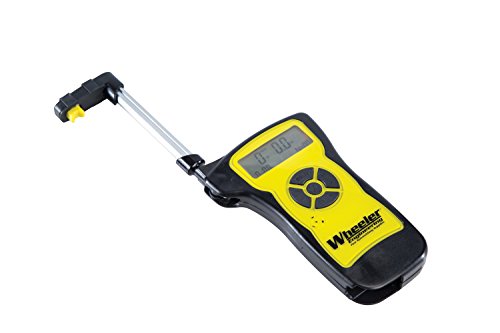
- 0–12 lb measurement range
- 1 oz increments
- Audible completion tone
Best For: Digital checks across a broad pull-weight range
Rotating-Hook Pick
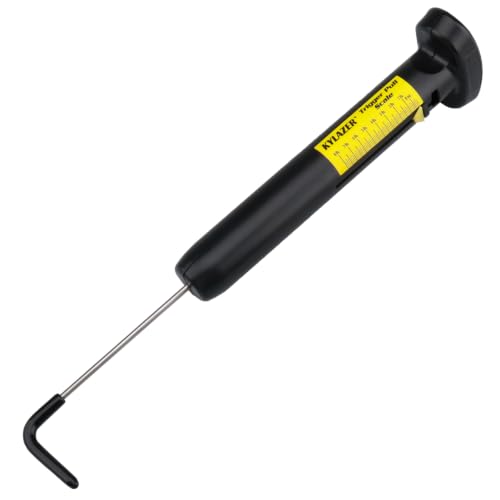
- 360° rotating L-shaped hook
- 8 oz to 8 lb in 2 oz increments
- Peak pointer holds the reading
Best For: Routine checks where trigger alignment matters
Average-Reading Pick
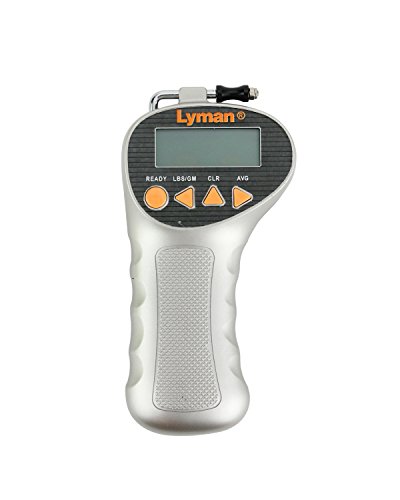
- Averages multiple readings
- Large digital display
- Specified 1/10 oz accuracy
Best For: Comparing repeated pull measurements
Compact Manual Pick
Wheeler Manual Trigger Pull Scale
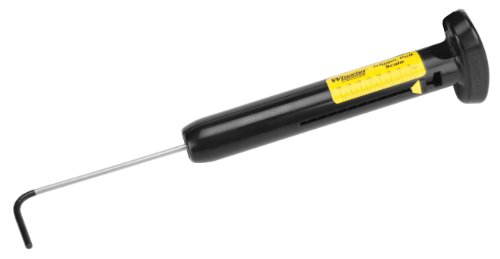
- 8-ounce to 8-pound range
- Reads in 2-ounce increments
- 4.8 ounces; limited lifetime warranty
Best For: Manual checks of pulls up to 8 pounds
Electronic Measurement Pick
RD Electronic Trigger Pull Gauge

- Electronic gauge rated up to 12 pounds
- English and metric measurements
- Precision details need confirmation
Best For: Electronic checks with unit options
12-Pound Mechanical Pick

- 0–12-pound scale
- 2-ounce increments
- Aluminum and steel; hanging loop
Best For: Mechanical measurements up to 12 pounds
Compact Budget Pick
Aoderda Digital Trigger Pull Scale

- Peak-lock and tare functions
- Backlit LCD; 2.5-ounce body
- Stated 0.1–110 lb capacity
Best For: Occasional pull-force checks
Stainless-Steel Pick
Digital Trigger Pull Scale with Peak Hold

- Stainless-steel housing
- Peak hold and backlit LCD
- Four units; AAA batteries included
Best For: Metal-bodied bench measurements
Data-Logging Pick
500 N Digital Push-Pull Force Gauge

- Real-time, peak, and auto-peak modes
- USB export with included software
- Fixtures and calibration certificate
Best For: Force testing with PC data analysis
Simple Analog Pick – LULUAIR Mechanical Trigger Pull Scale
Among mechanical trigger pull gauges, this LULUAIR model keeps checks straightforward: its analog scale measures from 8 oz to 8 lb, and a sliding indicator retains the peak reading after each pull.
Best For: Buyers who want a portable, battery-free gauge for routine pull-weight checks.
Pros:
- Sliding indicator holds the highest reading for review.
- High-contrast analog scale is easy to read.
- Mechanical operation needs no batteries or charging.
Cons:
- Its 8 lb upper limit may not cover heavier pulls.
- Analog readings do not offer a digital display.
Choose this one if simplicity matters more than digital features. Its compact body, metal measuring rod, and coated hook also make it practical to store between checks.
If you are comparing digital trigger pull gauges, the Wheeler Professional measures from 0 to 12 lb in 1 oz increments. Its screen shows the result, while an audible tone signals when a reading is complete.
Best For: Buyers who want a digital readout and a 12 lb measurement range.
Pros:
- Measures across a 0–12 lb range in 1 oz increments.
- Digital screen and completion tone simplify reading checks.
- Covered by Wheeler’s limited lifetime warranty.
Cons:
- Does not offer the battery-free operation of a mechanical gauge.
- Supplied specifications do not list saved readings or averaging.
The clear readout and completion cue make this a practical choice when you prefer digital feedback over watching an analog pointer.
This manual option stands out among trigger pull gauges for its 360° rotating L-shaped hook, which helps align the gauge with different trigger positions. It measures from 8 oz to 8 lb in 2 oz increments and holds the peak reading on a sliding pointer.
Best For: Routine maintenance and before-and-after pull-weight comparisons where hook alignment helps.
Pros:
- Rotating hook helps accommodate different trigger positions.
- Peak pointer lets you check the result after the pull.
- Battery-free design; rated accuracy is ±2 oz.
Cons:
- Maximum measurement is 8 lb.
- 2 oz increments are coarser than 1 oz increments.
The hook and peak pointer are useful for deliberate, repeatable checks. Before measuring, unload the firearm and verify that the chamber is clear.
The Lyman 7832248 is worth considering among digital trigger pull gauges if you want to compare more than a single pull. It records multiple readings and provides an average on its large digital display.
Best For: Buyers who want averaged readings from repeated measurements.
Pros:
- Records multiple readings and calculates an average.
- Large digital display is easy to read.
- Specified accuracy is 1/10 oz across its full weighing capacity; it can also display kilograms.
Cons:
- Supplied product notes do not state its measurement range.
- Electronic design is not a battery-free mechanical option.
The averaging feature is its clearest advantage for repeated checks. Confirm that its capacity suits your intended measurements before choosing it.
Compact Manual Pick – Wheeler Manual Trigger Pull Scale
For a straightforward check without electronics, this Wheeler model is one of the trigger pull gauges that covers 8 ounces to 8 pounds. Its sliding indicator reads in 2-ounce increments.
Best For: Shooters and gunsmiths checking trigger pulls within an 8-pound range.
Pros:
- Sliding indicator is simple to read.
- Ergonomic handle helps keep the pull direction consistent.
- Weighs 4.8 ounces and includes a limited lifetime warranty.
Cons:
- Does not measure pulls above 8 pounds.
- 2-ounce increments may be too coarse for finer comparisons.
Choose this scale if a lightweight, manual tool meets your range needs; look at a 12-pound model if it does not.
The RD Electronic Trigger Pull Gauge offers an electronic option among trigger pull gauges for firearm maintenance. Its listed capacity reaches 12 pounds, with English and metric measurements.
Best For: Buyers who want electronic readings and English/metric unit options.
Pros:
- Measures pull weights up to 12 pounds.
- Supports English and metric measurements.
- Listed device dimensions are 5.9 by 2.6 by 1.1 inches.
Cons:
- The supplied measurement specifications are inconsistently formatted, making precision hard to assess.
- No warranty information is supplied.
This is worth considering for its electronic format and 12-pound capacity, but confirm the measurement specifications if precision is your deciding factor.
If you need more range from a non-electronic tool, this is one of the trigger pull gauges listed to read from 0 to 12 pounds. Its scale advances in 2-ounce increments.
Best For: Buyers seeking a mechanical gauge with a 12-pound upper range.
Pros:
- Reads from 0 to 12 pounds in 2-ounce increments.
- Uses aluminum and steel construction.
- T-handle, hanging loop, and limited lifetime warranty are listed.
Cons:
- 2-ounce increments may not suit finer comparisons.
- The listed 12-inch length takes more storage space than a shorter tool.
Its wider range and hanging loop make it a practical mechanical choice when an 8-pound ceiling is not enough.
Compact Budget Pick – Aoderda Digital Trigger Pull Scale
Among digital trigger pull gauges, this compact scale offers a straightforward way to check pull force using its bottom hook. Its backlit LCD, tare function, and selectable peak-lock mode make it useful for occasional measurements.
Best For: Occasional pull-force checks with a compact, lightweight scale.
Pros:
- Peak-lock mode holds a reading for easier review.
- Backlit LCD and tare function add convenience.
- Weighs 2.5 ounces and has a stated 110 lb maximum capacity.
Cons:
- Stated minimum capacity is 0.1 lb, which limits usefulness for very light pulls.
- Product notes allow for approximately 0.02 lb of measurement error.
This is a practical choice when portability and basic peak capture matter more than measuring very small forces.
Stainless-Steel Pick – Digital Trigger Pull Scale with Peak Hold
If you prefer a metal housing, this model stands out among trigger pull gauges with its stainless-steel shell and peak-hold mode. A backlit display and four selectable units help when recording and comparing readings at the bench.
Best For: Bench users who want a metal-bodied digital gauge with an easy-to-read peak result.
Pros:
- Peak mode holds the maximum force after release.
- Stainless-steel housing and backlit LCD suit bench use.
- Displays lb, oz, kg, or g; includes two AAA batteries.
- Built-in 3 ft tape measure adds a separate measuring convenience.
Cons:
- Unit selection requires a button press during startup, according to the supplied instructions.
- The built-in tape measure does not add to pull-force measurement capability.
Choose it primarily for peak hold and its metal construction; the tape measure is a useful extra, not the main reason to buy it.
Data-Logging Pick – 500 N Digital Push-Pull Force Gauge
For buyers comparing trigger pull gauges for more than occasional spot checks, this 500 N push-pull force gauge offers real-time, peak, and auto-peak modes. Its large color LCD shows N, kg, and lb readings, while the included USB cable and software support computer-based analysis.
Best For: Users who need recorded force-test data alongside trigger pull measurements.
Pros:
- Three measurement modes cover live and peak-force checks.
- USB data transfer and included software support further analysis.
- Kit includes fixtures, an extension rod, and a calibration certificate.
Cons:
- Power adapter is not included.
- PC software may be unnecessary for simple, occasional trigger checks.
This is the most analysis-oriented option of the three, particularly when exporting measurements matters as much as reading them on the gauge.
How We Picked These Trigger Pull Gauges
We compared the listed measurement ranges, readout types, and features that affect everyday use, such as peak capture and selectable units. The selection includes straightforward mechanical scales, dedicated electronic trigger gauges, and general-purpose force testers. A stated range or display resolution is not proof of accuracy, so check each product’s specifications and calibration guidance before relying on it for a precise adjustment.
Quick Comparison
Mechanical scales: The 8 oz to 8 lb models offer a simple, battery-free way to check typical trigger weights. They suit buyers who value portability and do not need a stored digital reading.
Dedicated digital gauges: The Wheeler Professional, Lyman, and RD electronic options are aimed at trigger measurements, with digital readouts that may be easier to record consistently. Check each model’s range and reading features rather than assuming they work alike.
General-purpose force testers: The higher-capacity digital scales and 500 N push-pull gauge may suit other force-measurement tasks too. For trigger work, confirm that the hook or attachment can pull at a suitable angle and that the scale is useful at your expected pull weight.
Key Buying Factors for Trigger Pull Gauges
Range and Resolution
Choose a gauge whose operating range comfortably covers the triggers you expect to measure. A scale that starts at 8 oz may not suit an exceptionally light trigger, while a 110 lb or 500 N tester can offer far more capacity than you need. Fine display increments make readings easier to distinguish, but they do not establish accuracy on their own.
Readout and Peak Capture
A mechanical pointer is simple to use and requires no battery. A digital display can make a result easier to read; peak-hold mode is especially helpful because trigger force can drop immediately after the break. Confirm whether a digital model captures the peak automatically or requires a setting change.
Repeatable Technique
Attachment shape matters as much as the display. Pull steadily at the same point on the trigger and in the same direction for each test. Follow the firearm maker’s safety instructions, verify it is unloaded, and take multiple readings rather than judging an adjustment from one pull.
Who Should Buy Which Trigger Pull Gauges?
Choose a basic 8 oz to 8 lb mechanical gauge if you want an uncomplicated check and its range fits your needs. Choose a dedicated digital trigger gauge if clear readouts and recording small differences matter more. Consider a higher-capacity force tester only if you also need broader force-testing capability and can confirm its attachment, lower-range performance, and units suit trigger measurements. For any option, prioritize a usable range and repeatable setup over the largest advertised number.