Choosing the right wildlife fencing for poultry can make a big difference in flock safety, containment, and daily convenience. The best option depends on your birds, your predators, and whether you need a permanent or portable setup.
Below, we break down the top styles and the key buying factors that matter most so you can choose with confidence.
Best 10 Wildlife Fencing for Poultry Picks for 2026
Classic Galvanized Option
YARDGARD 2 Inch Poultry Netting
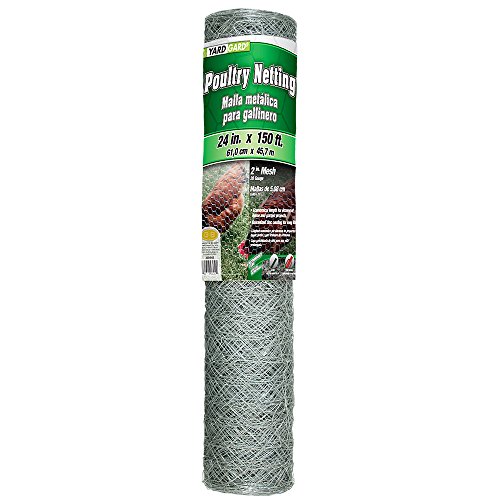
- 20-gauge galvanized steel for outdoor use
- 2-inch weave supports containment and visibility
- Flexible roll is easy to install around coops
Best For: Backyard flocks needing a basic wire enclosure
Portable Electric Barrier
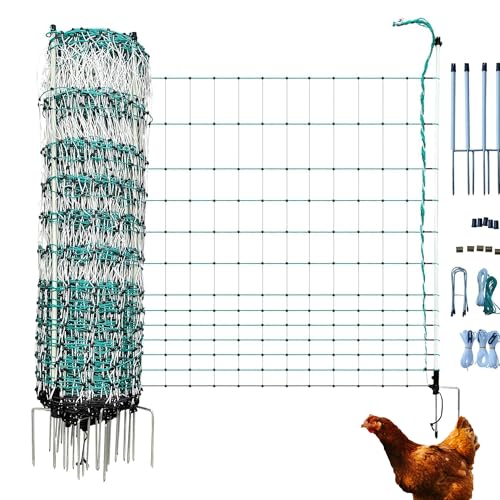
- 48-inch electric netting for chickens, ducks, and turkeys
- Pre-attached posts make it easy to move and reset
- Energizer sold separately for powered protection
Best For: Portable flock runs and rotational grazing
Decorative Plastic Barrier
Pet & Garden Safeguard Netting

- Weather-resistant black plastic netting
- Easy to install with no complex tools
- Compact roll for small-area use
Best For: Low-profile garden and pet barriers
High-Visibility Electric Netting
Electric Poultry Fence 47.2" x 164'

- Tall electric netting for poultry containment
- 12 conductive wires and sturdy fiberglass posts
- Quick no-tool setup for large areas
Best For: Large-flock predator deterrence and portable fencing
Temporary Mesh Barrier
PotatoLife 4'x100' Plastic Mesh Fence

- 4' x 100' reusable HDPE mesh roll
- Includes 100 zip ties and gloves
- Easy to cut, install, and remove
Best For: temporary poultry barriers and general outdoor fencing
Portable Predator Defense
Electric Poultry Netting 47.5" x 164'

- Electric netting helps deter raccoons, foxes, and coyotes
- 11 strands with 9 conductive lines and steel wire
- Pre-assembled for fast setup and repositioning
Best For: portable predator protection for chickens, ducks, geese, and turkeys
Lightweight Wire Enclosure
Galvanized Chicken Wire Netting
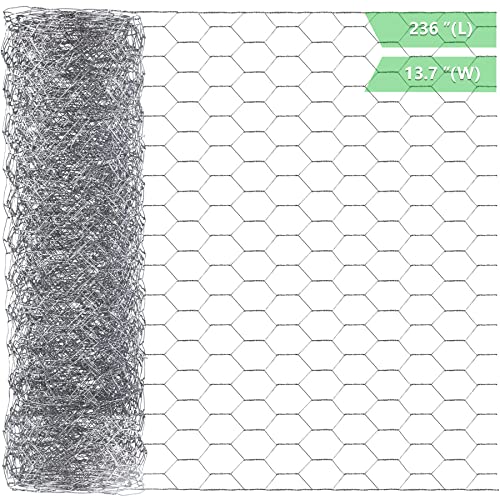
- Galvanized hexagonal wire for outdoor use
- 0.6mm mesh is lightweight and easy to shape
- Good for custom chicken runs and garden barriers
Best For: DIY chicken enclosures and cut-to-size garden protection
Portable Non-Electric Fence
RentACoop 48" x 100' Chicken Fence Netting

- 48-inch-tall, 100-foot roll for flexible enclosure layouts
- Built-in posts and included stakes help reduce sagging
- Good for temporary runs, rotation, and garden boundaries
Best For: Backyard flock owners who want a portable, non-electric enclosure
Electric Predator Fence
Electric Poultry Netting 47.2" x 164'

- Electric barrier helps deter coyotes, foxes, raccoons, and more
- 14 posts and steel stakes are designed to reduce sagging
- Bottom spacing under 2" helps keep chicks inside
Best For: Poultry keepers who want an electric, portable fence for stronger predator protection
Quick-Setup Electric Fence
Electric Poultry Netting 47.2" x 164'

- Tool-free setup is built for fast installation and relocation
- 14 pre-attached posts and steel stakes add stability
- Electric design helps protect poultry and contain chicks
Best For: Owners who want a quick-setup electric poultry fence for rotational grazing and predator control
Classic Galvanized Option – YARDGARD 2 Inch Poultry Netting
If you want wildlife fencing for poultry that focuses on simple physical containment, this YARDGARD poultry netting is a straightforward choice. The 2-inch weave, galvanized steel build, and flexible roll format make it useful for coops, small runs, and garden-edge barriers where visibility and ventilation still matter.
Best For: Backyard chicken keepers who want a lightweight, traditional wire fence for basic enclosure and small-animal containment.
Pros:
- 20-gauge galvanized steel construction is made for outdoor use
- 2-inch poultry netting offers secure containment with good airflow and visibility
- Flexible roll is easy to shape around frames, posts, and landscaped areas
- Rust-resistant coating helps it stand up to moisture and weather exposure
Cons:
- Not an electric deterrent for predator pressure
- Best suited to small animals and poultry rather than larger livestock
Overall, this is the most traditional option in the group: practical, lightweight, and easy to install. It works best when your goal is routine enclosure rather than active predator control.
Portable Electric Barrier – RentACoop 48" Poultry Netting
This electric poultry fencing is built for keepers who want a portable wildlife fencing for poultry setup with more deterrence than standard wire. The 48-inch height, pre-attached posts, and conductive wires make it suited to rotational grazing, temporary runs, and flexible flock management.
Best For: Poultry keepers who need a moveable electric barrier for chickens, ducks, and turkeys.
Pros:
- Triple-braided stainless steel and copper conductive wires support steady current
- Pre-attached FRP posts spaced every 12 feet help speed setup and relocation
- 48-inch height and 168-foot length provide a large enclosed area
- Includes stakes, guy lines, repair kit, and warning sign
Cons:
- Energizer is sold separately
- Requires proper power and installation to perform as intended
For flocks that need a stronger boundary and the flexibility to move with fresh ground, this is a capable electric netting system. It is especially appealing when portability matters as much as containment.
Decorative Plastic Barrier – Pet & Garden Safeguard Netting
For a lighter-duty wildlife fencing for poultry setup, this black plastic netting is aimed at simple barriers and visual blending in the garden. Its compact size and weather-resistant plastic construction make it a practical option for short runs, decorative edging, or light containment around poultry and pets.
Best For: Small garden or pet areas that need a basic, low-profile barrier.
Pros:
- Weather-resistant black plastic netting for outdoor use
- Easy to unfold and secure without complex tools
- Compact 15.7-inch by 32.8-foot roll suits smaller areas
- Low-maintenance design is easy to clean
Cons:
- Lower profile than taller poultry fencing options
- Not designed as an electric predator barrier
This is best viewed as a light, flexible utility fence rather than heavy containment. If you want something discreet and simple for smaller poultry-related spaces, it fits that role well.
High-Visibility Electric Netting – Electric Poultry Fence 47.2" x 164'
This electric poultry fence is built for users who want a strong wildlife fencing for poultry solution with a large enclosed footprint. With a 47.2-inch height, conductive wire layout, and pre-fixed posts, it is designed to help keep chickens and other poultry inside a safe area while adding a deterrent layer against common predators.
Best For: Farmers and backyard keepers who want a tall electric fence with broad coverage and strong predator deterrence.
Pros:
- 47.2-inch height and 164-foot length provide broad coverage
- 14 fiberglass galvanized double-pointed stakes improve stability
- 12 conductive wires support reliable electrification
- No-tool setup makes it quick to unfold and install
Cons:
- Energizer is required and not included
- Best performance depends on proper power setup
Compared with simple wire or plastic barriers, this model is aimed at active defense. It makes the most sense when you want a mobile electric system that can cover a larger flock area.
Temporary Mesh Barrier – PotatoLife 4'x100' Plastic Mesh Fence
For wildlife fencing for poultry that needs to be temporary, lightweight, and easy to move, this PotatoLife plastic mesh fence is a practical pick. It can serve as a gentle animal barrier or poultry netting, and the UV-resistant HDPE construction is designed for outdoor reuse.
Best For: Backyard owners who want a reusable temporary poultry barrier or multi-purpose outdoor fence.
Pros:
- 4′ x 100′ roll covers a large area for temporary fencing projects.
- UV-resistant plastic mesh is reusable and built for outdoor use.
- Can be nailed to posts, fastened to stakes, or wrapped around trees.
- Can be cut to size with scissors or a utility knife for custom layouts.
Cons:
- Posts are not included, so you’ll need your own support system.
- Less suited to predator control than electric poultry fencing.
This is a flexible, budget-friendly choice if your main goal is a simple removable barrier rather than heavy-duty containment. The included zip ties and gloves make setup more convenient, but it works best where you already have a basic post or stake plan.
Portable Predator Defense – Electric Poultry Netting 47.5" x 164'
If you need wildlife fencing for poultry with stronger predator deterrence, this electric poultry netting is built for the job. It’s designed to protect chickens, ducks, geese, and turkeys from raccoons, foxes, and coyotes, while staying portable for backyard or farm use.
Best For: Poultry keepers who want a portable electric fence for predator protection and rotational grazing.
Pros:
- Designed to help protect poultry from common predators like raccoons, foxes, and coyotes.
- 11 strands with 9 conductive lines and triple-braided stainless steel wire.
- Pre-assembled setup makes it quick to unroll, step in, and connect power.
- Portable and flexible for temporary fencing, grazing, and crop protection.
Cons:
- Requires a compatible energizer, which is not included.
- At 22 pounds, it is less lightweight than simple plastic mesh options.
This is the strongest fit here if predator protection is your priority. The tradeoff is that you’ll need power equipment to use it, but the payoff is a more serious barrier for poultry enclosures that move around the property.
Lightweight Wire Enclosure – Galvanized Chicken Wire Netting
This galvanized chicken wire is a classic option for wildlife fencing for poultry when you need a lightweight, shapeable barrier. It’s sized for easy cutting and can be formed into enclosures, garden fences, or protective barriers around small areas.
Best For: DIY users who want a cut-to-size wire mesh for poultry enclosures and general garden protection.
Pros:
- Galvanized hexagonal mesh is made for long-term outdoor use.
- Lightweight yet sturdy 0.6mm wire is easy to cut and shape.
- Wide range of uses including chicken fencing, pet enclosures, and garden barriers.
- Large 13.7 in x 236 in roll offers enough material for custom projects.
Cons:
- Not as portable or quick to deploy as mesh netting rolls.
- Better for shaping barriers than for active predator deterrence.
This option works well when you want a more traditional wire fence material that can be trimmed into specific forms. It’s a practical pick for custom poultry runs or smaller containment jobs where flexibility and metal construction matter more than mobility.
Portable Non-Electric Fence – RentACoop 48" x 100' Chicken Fence Netting
If you want wildlife fencing for poultry that’s easy to move and doesn’t need power, this non-electric chicken fence netting is built for flexible backyard and homestead setups. The 48-inch height and 100-foot length make it useful for creating a temporary run, rotating space, or blocking off garden areas while helping keep poultry and other animals contained.
Best For: Backyard flock owners who want a portable, non-electric enclosure for chickens, ducks, and garden boundaries.
Pros:
- 48″ x 100′ layout works for larger enclosures or two smaller sections when cut.
- Built-in double-spiked posts, U-shaped stakes, guylines, and hook stakes add support.
- Portable design is suited for temporary runs, rotating space, and yard boundaries.
- Can help separate poultry, dogs, ducks, and garden beds.
Cons:
- Non-electric design means it relies on physical containment rather than deterrence.
- Height is 48″, so it may be less suitable where taller barriers are needed.
- Best on installations where you can secure the included stakes and support pieces.
This is a practical pick if you need a simple, movable boundary for poultry and light-duty yard control. It focuses on convenience and adaptability rather than predator deterrence, making it a good fit for routine flock management and garden separation.
Electric Predator Fence – Electric Poultry Netting 47.2" x 164'
For wildlife fencing for poultry where predator deterrence matters, this electric poultry netting gives you a portable barrier that can be powered by solar or AC/DC energizers. At 47.2 inches high and 164 feet long, it’s designed to create a secure outdoor space for chickens, ducks, turkeys, geese, and other livestock while helping keep out common predators.
Best For: Poultry keepers who want an electric, portable fence for stronger predator protection.
Pros:
- 47.2″ height and 164′ length provide broad coverage for poultry enclosures.
- 14 pre-installed fiberglass posts and steel ground stakes help prevent sagging.
- Fine lower mesh and bottom spacing under 2″ help contain chicks.
- Compatible with solar or AC/DC power for flexible use.
Cons:
- Requires a fence energizer to work effectively.
- Energizer is not included and must be purchased separately.
- Electric setup adds more installation considerations than non-electric netting.
This fence is a strong option when you need a portable enclosure with active deterrence rather than just a visual boundary. Its design emphasizes stability, chick containment, and predator pressure, making it a more serious livestock protection solution.
Quick-Setup Electric Fence – Electric Poultry Netting 47.2" x 164'
If your priority is wildlife fencing for poultry that can be moved quickly for rotational grazing, this electric netting is designed for fast setup and flexible repositioning. The 47.2-inch height and 164-foot length create a sizable enclosure for chickens, ducks, turkeys, geese, and other livestock, while the electrified design helps discourage predators.
Best For: Owners who want a quick-setup electric poultry fence for rotational grazing and predator control.
Pros:
- No tools required; simply unroll, place the posts, and connect power.
- 14 pre-attached fiberglass posts and steel stakes are made to improve stability.
- Bottom spacing under 2″ helps prevent chicks from escaping.
- Portable design makes it easy to relocate for grazing changes.
Cons:
- Needs a fence energizer to be effective.
- Energizer is not included.
- Electric fencing requires more planning than a non-electric boundary.
This model is a practical fit if you need a fence that can move with your flock and still provide a strong deterrent. It combines portability with a more protective electric setup, making it a solid choice for changing pasture or temporary poultry areas.
How We Picked the Best Wildlife Fencing for Poultry
For Wildlife Fencing for Poultry, the most important factors are predator deterrence, fence height, material strength, ease of installation, and whether the fence fits your property layout. We also considered portability, compatibility with free-range rotation, and how well each style suits different bird types and flock sizes.
Quick Comparison
In general, electric poultry netting is the strongest choice for active predator pressure and flexible runs, while non-electric netting and wire mesh are better for simple containment, garden separation, or lighter-duty use. Plastic mesh fencing is typically easiest to move and install, but it offers less physical reinforcement than metal options.
Key Buying Factors for Wildlife Fencing for Poultry
Fence Type
Choose electric netting if you need a stronger deterrent against raccoons, foxes, or coyotes. Choose non-electric netting if you mainly need a visual barrier or a lightweight enclosure. Traditional wire mesh works well for fixed areas, but it can be less convenient for rotational grazing.
Height and Coverage
Most poultry fencing performs best when it is tall enough to discourage jumping and long enough to fully close the run without gaps. Measure your perimeter carefully, and allow extra length for corners, overlaps, and gate openings.
Material and Durability
Galvanized steel, coated wire, and quality electric mesh tend to last longer outdoors. Plastic mesh can be useful for temporary setups, but it may be better suited to low-pressure areas or short-term projects.
Power and Setup Needs
If you choose electric Wildlife Fencing for Poultry, make sure you have a compatible energizer, reliable grounding, and a plan for vegetation control around the fence line. For non-electric options, look at stake spacing, rigidity, and how well the fence resists sagging.
Who Should Buy Which Wildlife Fencing for Poultry?
Buy electric netting if you need maximum predator deterrence and want a flexible, movable fence for pasture rotation or temporary coops. Buy non-electric netting if you want a simpler setup for containment and moderate protection. Buy wire mesh or galvanized fencing if you prefer a sturdier, more permanent barrier around a fixed coop or garden-adjacent run.
For most buyers, the best choice comes down to balancing safety, portability, and maintenance. Match the fence to your local predators, your flock size, and how often you plan to move or expand the enclosure.