Cold water can turn a routine paddle, dive, or rescue operation into a serious exposure risk. The right dry suit helps keep water out while giving you the mobility and layering room needed for changing conditions.
We’ve gathered 10 options for different users and activities, from lightweight recreational suits to rugged designs with hoods, relief zippers, and technical construction. Use the guide below to compare fit, insulation, durability, and essential features before buying.
Best 10 Dry Suits for Cold Water Picks for 2026
Offshore Performance Pick

- Three-layer waterproof, breathable, windproof shell
- Taped seams and waterproof Aquaseal front zipper
- Reinforced knees and seat for rough-deck durability
Best For: Offshore sailing and demanding watersports
Thermal Diving Choice
Hollis NeoTek V2 Hooded Semi-Dry Suit
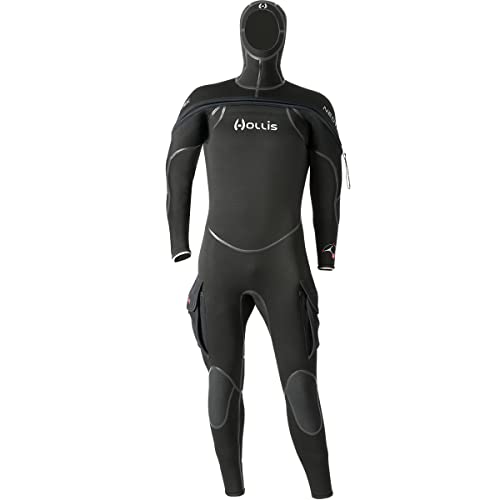
- Thick 8/7/6 mm neoprene construction
- ThermaSkin liner for added warmth
- Internal dams help reduce water exchange
Best For: Cold-water scuba diving
Simple Shell Option

- Three-layer breathable nylon shell
- Neoprene neck and latex limb seals
- Waterproof horizontal back zipper
Best For: Layered cold-water diving
Women’s Paddling Pick

- Lightweight three-layer waterproof construction
- Removable hood and waterproof latex socks
- Paddling-focused suspenders, overskirts, and pockets
Best For: Women’s kayaking and whitewater paddling
Flexible Neoprene Pick
O'Neill Men's Fluid 3mm Neoprene Drysuit

- 3mm Fluid Flex neoprene
- Dry seals and waterproof construction
- Loose upper, performance lower fit
Best For: Adult boaters wanting a flexible full-body neoprene suit
Versatile Women's Choice
Women's Cold Water Drysuit for Paddling and Boating

- Tri-laminate fabric with taped seams
- Stowable hood and back-entry waterproof zipper
- Reinforced seat and knees with adjustable waist
Best For: Women participating in kayaking, rafting, and sailing
Durability-Focused Option
Bare Aqua Trek Tech Dry Drysuit

- Four-layer CORDURA Nylon Oxford fabric
- Double-taped critical-wear seams
- Fitted design with medium stretch
Best For: Men prioritizing a durable, reinforced dry suit
Visible Expedition Protection
Recycled Nylon Rescue Dry Suit
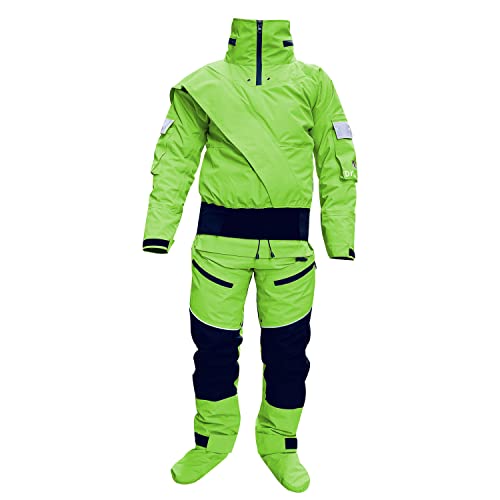
- Three-layer recycled nylon shell
- Detachable hood and reflective details
- Double tunnel, pads, and repair kit
Best For: Cold-water kayaking, rescue, and low-light exploration
Lightweight Paddling Comfort
Men's Breathable Lightweight Drysuit

- Lightweight three-layer nylon shell
- Adjustable seals, waist, and cuffs
- Waterproof zipper and integrated socks
Best For: Cold-water paddling, fishing, and touring
Reinforced Relief-Zipper Performance
Kayaking Drysuit with Relief Zipper

- Three-layer shell with taped seams
- Relief zipper and waterproof front entry
- 600D reinforcement and draining pockets
Best For: Cold-water kayaking, rafting, and sailing
Offshore Performance Pick – Men's Pro Drysuit
For demanding cold-water crossings, offshore sailing, and stormy conditions, this men’s Pro Drysuit combines a waterproof, windproof, breathable three-layer shell with reinforced construction. Its taped seams, waterproof front zipper, and adjustable seals are practical features for staying protected during spray or full immersion.
Best For: Offshore sailors and watersports users who need rugged, breathable protection in severe weather.
Pros:
- Three-layer XPLORE+ fabric is waterproof, breathable, and windproof.
- Fully taped seams and a YKK Aquaseal front zipper help prevent water intrusion.
- Reinforced knees and seat improve durability on rough decks.
- Adjustable suspenders, stretch waist, cargo pocket, and fabric socks support practical use.
Cons:
- Listed in an adult X-Large size, so fit options may be limited.
- At 3 pounds, it may feel less lightweight than minimalist alternatives.
This is a strong choice among dry suits for cold water when durability and storm protection matter more than ultralight weight. The custom-trimmed neck and cuff seals also make fit particularly important.
Thermal Diving Choice – Hollis NeoTek V2 Hooded Semi-Dry Suit
The Hollis NeoTek V2 is a hooded semi-dry suit built for scuba diving in colder conditions. Its 8/7/6 mm neoprene construction combines insulation with stretch, while internal neck, wrist, and ankle dams help limit water exchange.
Best For: Divers seeking substantial neoprene insulation and integrated hood coverage for cold-water dives.
Pros:
- Thick 8/7/6 mm neoprene provides substantial cold-water insulation.
- ThermaSkin inner liner adds a warmer interior layer.
- Internal dams at the neck, wrists, and ankles help reduce flushing.
- G-lock horizontal front zipper includes an internal bib.
Cons:
- It is a semi-dry suit rather than a fully waterproof dry suit.
- The thicker neoprene may feel less flexible than lightweight shell designs.
- Listed in XX-Large, making sizing availability worth checking.
For divers comparing dry suits for cold water, this model emphasizes warmth and water-flow reduction through thick neoprene and internal seals. It is best suited to diving rather than paddling or general surface use.
Simple Shell Option – O'Neill Boost 300g Drysuit
The O’Neill Boost 300g offers a straightforward shell-style approach for diving and other cold-water activities. Its breathable three-layer nylon construction is paired with a neoprene neck seal, latex wrist and ankle seals, and a waterproof horizontal back zipper.
Best For: Divers who want a loose-fitting, breathable nylon dry suit with traditional sealing features.
Pros:
- Three-layer breathable nylon shell supports water protection and ventilation.
- Neoprene neck seal and latex wrist and ankle seals help keep water out.
- Waterproof horizontal back zipper provides a secure closure.
- Loose fit can accommodate layering underneath.
Cons:
- Back-zip entry may be less convenient to operate without assistance.
- Neck and wrist seals may require careful fit and maintenance.
- The supplied listing is specifically sized Medium.
This is a practical, no-frills candidate among dry suits for cold water, particularly for users who value a breathable shell and room for layers. Check the listed chest, waist, and height measurements before ordering.
Women’s Paddling Pick – Hooded Kayaking Drysuit
Designed for women’s kayaking and whitewater paddling, this lightweight suit uses three-layer waterproof materials, latex seals, and waterproof socks for head-to-toe coverage. Its removable hood, front zipper, adjustable suspenders, and overskirt system make it adaptable for changing conditions on the water.
Best For: Women kayakers and whitewater paddlers who prioritize lightweight mobility and comprehensive waterproof coverage.
Pros:
- Three-layer fabric is described as waterproof, breathable, and durable.
- Latex neck and sleeve seals, over-cuffs, and integrated socks provide extensive coverage.
- Removable hood and adjustable internal suspenders improve versatility and comfort.
- Pockets, drawcord waist, and adjustable overskirts add useful on-water storage and fit control.
Cons:
- Hand-wash-only care may require more maintenance than machine-washable options.
- Latex gaskets can be less suitable for users sensitive to latex.
- The supplied listing is a women’s Large, so sizing should be confirmed.
Among dry suits for cold water, this model stands out for paddling-focused details rather than diving-specific insulation. It provides a lightweight waterproof barrier, so appropriate insulating layers may still be needed in very cold conditions.
Flexible Neoprene Pick – O'Neill Men's Fluid 3mm Neoprene Drysuit
For boaters seeking dry suits for cold water, the O’Neill Men’s Fluid 3mm Neoprene Drysuit combines a waterproof neoprene build with a performance-oriented fit. Its loose upper and closer-fitting lower design may suit active use where mobility matters.
Best For: Adult boaters who want a lightweight, full-body neoprene dry suit.
Pros:
- 3mm Fluid Flex foam neoprene provides a flexible construction.
- Smooth skin exterior and Fluid seam weld are designed for a streamlined finish.
- Dry seals and a stated 100% waterproof construction help limit water entry.
- Long sleeves and full-body coverage suit cold-water activities.
Cons:
- The listed X-Large sizing is intended for a 43.5–46-inch chest, 35–37-inch waist, and 5’11″–6’1″ height.
- Its 3mm neoprene construction may be less versatile than a roomier shell-style suit for layering.
This is a straightforward choice for recreational boating when you prefer neoprene’s flexible feel. Confirm the measurements carefully, particularly because the suit combines a loose upper fit with a performance lower fit.
Versatile Women's Choice – Women's Cold Water Drysuit for Paddling and Boating
Among dry suits for cold water, this women’s Drryfsh suit emphasizes coverage, adjustability, and practical access for paddling and other water sports. Its tri-laminate fabric, taped seams, detachable hood, and back-entry waterproof zipper support extended use across changing conditions.
Best For: Women kayaking, rafting, canoeing, paddling, sailing, or boating in cool conditions.
Pros:
- Tri-laminate fabric and waterproof-taped seams are designed to keep water out.
- Detachable, stowable hood adds flexibility between warmer and colder sessions.
- Back-entry TIZIP waterproof zipper avoids front pressure points and improves flexibility.
- Removable suspenders, a drop-seat relief zipper, reinforced seat and knees, and an adjustable waist drawcord add practical functionality.
Cons:
- Hand-wash-only care requires more maintenance than machine-washable apparel.
- The listed medium has a relaxed fit, so sizing and layering should be checked before purchase.
- Latex, neoprene, and nylon components may not suit every wearer.
This suit stands out for women who want a feature-rich design that can transition between paddling activities. Its hood and adjustable fit details make it particularly adaptable, while the back-entry zipper keeps the front less cluttered.
Durability-Focused Option – Bare Aqua Trek Tech Dry Drysuit
For shoppers comparing dry suits for cold water, the Bare Aqua Trek Tech Dry Drysuit uses four-layer CORDURA Nylon Oxford fabric and targeted seam reinforcement. Its fitted cut and medium stretch are suited to users who prioritize a secure, streamlined profile.
Best For: Adult men seeking a fitted, lightweight dry suit with reinforced high-wear seams.
Pros:
- Four-layer CORDURA Nylon Oxford fabric is built for a durable shell.
- Double-taped reinforcement at critical wear seam points adds protection in high-use areas.
- Medium stretch supports movement while retaining a fitted profile.
- Includes a full manufacturer warranty.
Cons:
- The listed Large size may require careful fit checking before ordering.
- Hand-wash-only care adds maintenance work.
- The supplied details do not specify a hood, suspenders, or relief zipper.
This is a sensible option when fabric durability and seam reinforcement are more important than a long list of convenience features. Check the sizing closely, as the suit is described as fitted and true to size.
Visible Expedition Protection – Recycled Nylon Rescue Dry Suit
For paddlers comparing dry suits for cold water, this three-layer nylon option emphasizes waterproof, breathable coverage plus visibility and reinforcement. Its detachable hood, double tunnel, waterproof front zipper, and integrated socks make it especially adaptable for kayaking, rafting, rescue work, and other demanding water activities.
Best For: Cold-water kayaking, whitewater rescue, rafting, and low-light exploration where visibility and adjustable coverage matter.
Pros:
- Three-layer waterproof/breathable fabric made from 100% recycled materials.
- Detachable hood, reflective details, and fabric-protected latex gaskets add versatility and visibility.
- Double-tunnel waist, waterproof zipper, waterproof fabric socks, and included repair kit support water protection.
- Removable seat and knee pads improve comfort and durability.
Cons:
- The non-stretch fabric may require careful sizing and layering.
- Latex neck and wrist gaskets may not suit users sensitive to latex.
- This listed version is size 3X-Large, so availability may be limited for other sizes.
This suit stands out when visibility, adjustable hood coverage, and reinforced comfort are priorities. The double tunnel and protective construction make it a practical choice for active cold-water use.
Lightweight Paddling Comfort – Men's Breathable Lightweight Drysuit
This lightweight drysuit is a practical pick among dry suits for cold water when you want waterproof coverage without a heavier-feeling design. Its three-layer breathable nylon shell, adjustable seals, front-entry zipper, integrated socks, and multiple pockets suit paddling, fishing, boating, and touring.
Best For: Cold-water paddling, canoeing, fishing, rafting, and boating where low weight and adjustable fit are useful.
Pros:
- Lightweight three-layer waterproof, breathable nylon shell is designed for durability and abrasion resistance.
- Trimmable latex seals, adjustable waist webbing, and hook-and-loop cuffs help customize the fit.
- Front-entry waterproof zipper includes convenient relief access, while integrated three-ply socks help keep feet dry.
- Sleeve pockets and an inner chest pocket keep essentials accessible.
Cons:
- The listed fit sentiment runs slightly large, so sizing should be checked carefully.
- Latex components may be unsuitable for people with latex sensitivities.
- It is listed as machine washable, but the product notes do not specify detailed washing settings.
Choose this model if lightweight construction and adjustability are more important than extra external reinforcement. Its pocket layout and relief access are convenient for longer outings.
Reinforced Relief-Zipper Performance – Kayaking Drysuit with Relief Zipper
For shoppers seeking dry suits for cold water with convenient access and targeted reinforcement, this kayaking model combines a three-layer waterproof breathable fabric with sealed seams, latex gaskets, and a men’s relief zipper. Its 600D nylon inserts and self-draining pockets are well suited to active paddling and rafting.
Best For: Kayaking, sailing, rafting, and paddling trips where relief access, reinforced contact areas, and pocket drainage are priorities.
Pros:
- Three-layer fabric and taped seams are designed to provide waterproof, breathable protection.
- Waterproof front-entry zipper and relief zipper allow easier entry and bathroom access.
- 600D nylon reinforces the knees, seat, and sock soles for high-contact areas.
- Self-draining chest and sleeve pockets, plus reflective shoulder details, add practical utility.
Cons:
- Hand-wash-only care is less convenient than machine-washable alternatives.
- Latex gaskets may not be appropriate for users with latex sensitivities.
- The listed fabric has no stretch, which can make layering and mobility dependent on correct sizing.
This is the strongest fit for users who value a relief zipper and durable reinforcement in the knees, seat, and soles. The relaxed fit and lightweight construction support layering for colder conditions.
How We Picked the Best Dry Suits for Cold Water
We focused on the features that matter most in cold-water exposure: waterproof construction, seam sealing, material durability, mobility, ventilation, and compatibility with insulating layers. We also considered the intended activity, since a suit for kayaking may prioritize flexibility and a relief zipper, while a diving or rescue suit may need greater abrasion resistance and a more protective hood system.
The selection includes men’s, women’s, and unisex designs across several price and performance levels. Product descriptions were also checked for useful details such as breathability, detachable hoods, PFAS-free water repellency, neoprene thickness, and lightweight construction.
Quick Comparison
| Best For | Features to Prioritize | Typical Suit Style |
|---|---|---|
| Recreational kayaking | Mobility, waterproof zipper, adjustable cuffs | Lightweight shell dry suit |
| Whitewater and rafting | Reinforced seat and knees, hood, durable fabric | Technical paddling suit |
| Cold-water diving | Waterproof seals, layering room, robust zipper | Membrane or neoprene dry suit |
| Rescue and professional use | High visibility, abrasion resistance, secure hood | Heavy-duty rescue suit |
Key Buying Factors for Dry Suits for Cold Water
Waterproofing and Seals
Look for fully sealed or taped seams and reliable wrist, ankle, and neck seals. Latex seals generally provide a tighter barrier, while neoprene seals can offer more comfort and warmth. Check whether replacement seals are available before committing to a suit.
Insulation and Layering
A dry suit usually keeps water out but does not provide all the warmth by itself. Choose a cut that accommodates thermal underwear or a dedicated undersuit. Neoprene designs may add insulation, but they can feel less flexible than lightweight shell suits.
Fit and Mobility
The suit should allow unrestricted movement without excessive loose fabric that can snag or create drag. Check the manufacturer’s size chart carefully, including height, chest, waist, inseam, and footwear requirements. Women’s and men’s cuts can improve comfort and reduce bunching.
Zippers and Access
A front or rear waterproof zipper affects both convenience and fit. A relief zipper is especially useful for long outings. Confirm whether the zipper is easy to operate with gloves and whether the suit requires assistance to put on.
Durability and Safety Details
For whitewater, rescue, and rocky shore use, prioritize reinforced high-wear areas, adjustable suspenders, reflective elements, and a secure hood. Breathable fabrics can improve comfort during exertion, but ventilation does not replace proper layering or safe cold-water practices.
Who Should Buy Which Dry Suits for Cold Water?
Choose a lightweight shell suit if you mainly kayak, tour, fish, or sail and need low bulk with room for seasonal layers. Choose a neoprene or semi-dry design if warmth and flexibility are more important than maximum ventilation.
Choose a hooded technical suit for whitewater, rafting, or canyoning, where spray, wind, and abrasion are constant concerns. Choose a reinforced rescue-oriented suit for professional or frequent high-risk use, especially when visibility and durability matter.
Finally, buy from a seller with a clear return policy and inspect the seals, zipper, and seams before entering the water. Even the best Dry Suits for Cold Water work properly only when correctly sized, layered, and maintained.