The right poncho can add warmth, shed rain, and make changing layers easier on cold hikes, campsites, and roadside emergencies. This roundup compares insulated wearable blankets, breathable rain ponchos, and compact thermal designs.
Use the guide below to match a poncho’s insulation, weather protection, packability, and fit to the conditions you expect to encounter.
Best 10 Hiking Ponchos for Cold Weather Picks for 2026
Warmth Layer
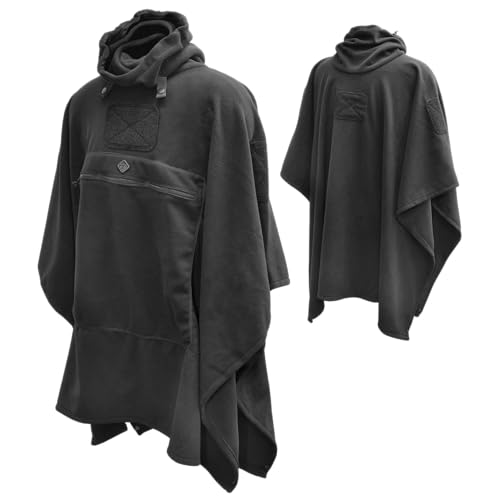
- Heavyweight fleece insulation for cold conditions
- Packs into its pocket and doubles as a travel pillow
- Compatible with the PonchoVilla layering system
Best For: Cold camps, travel, and layering
Emergency Backup
Reversible Thermal Mylar Poncho 4-Pack

- Lightweight hooded waterproof emergency coverage
- Reversible orange and silver signal colors
- Four-pack suits group and emergency-kit use
Best For: Backpacking and emergency preparedness
Rain Shell
FROGG TOGGS Ultra-Lite2 Poncho

- Lightweight waterproof seam-taped construction
- Breathable material with soft inner layer
- Hood, side snaps, and stuff sack included
Best For: Rainy hikes and lightweight emergency kits
Warmth & Versatility Pick
OneTigris Camping Blanket Poncho

- Recycled synthetic insulation for damp conditions
- Converts into several camping blanket configurations
- Lightweight, hooded, and compactly packable
Best For: Campers wanting an insulated, multi-use wearable blanket
Rain Protection Pick

- Waterproof TPU-coated ripstop polyester shell
- Roomy fit covers a backpack
- Lightweight design doubles as emergency shelter gear
Best For: Hikers needing packable rain protection over warm layers
Multi-Use Insulated Pick
Poncho Liner Hoodie with Sleeping Bag

- Insulated, water-repellent design for cool wet weather
- Zips into a lightweight sleeping bag
- Compression bag and multiple emergency uses
Best For: Campers wanting one warm layer that converts for sleeping
Best All-Purpose Pick

- Waterproof and windproof outer material
- Large 75-by-52-inch adult coverage
- Converts between poncho and blanket
Best For: Campers wanting warmth, coverage, and versatility
Best Compact Emergency Option
Prepared4X Mylar Survival Poncho

- Reflective liner targets 90% heat retention
- Waterproof and wind-resistant hooded design
- Four-pack fits backpacks and car kits
Best For: Emergency preparedness and lightweight backup protection
Best Heavy-Duty 4-Pack
Thickened Mylar Thermal Ponchos

- Four waterproof emergency ponchos included
- Reflective film helps retain 90% of body heat
- Thickened, tear-resistant Mylar construction
Best For: Families, groups, and vehicle emergency kits
Warmth Layer – HAZARD 4 Fleece Poncho
For hikers seeking hiking ponchos for cold weather, the HAZARD 4 Fleece Poncho is a heavyweight insulation layer designed to go over clothing. Its tall adjustable neck gaiter, loose fit, and fleece construction provide warmth for camp, travel, and other cold-weather outdoor use.
Best For: Cold camps, vehicle travel, tailgating, and layering under or with compatible outerwear.
Pros:
- Soft 100% polyester fleece provides substantial insulation.
- Self-packing front pocket can also serve as a compact travel pillow.
- Fuzzy loop panels accommodate patches, IDs, or name tapes.
- Loose pull-on design is quick to put on over layers.
Cons:
- It is not water resistant, so it needs a weatherproof shell in rain or snow.
- At about 1.1 kg, it is heavier than minimalist emergency ponchos.
- Care instructions call for hand washing and air drying.
This is a warmth-first poncho rather than a rain layer. Its packable design and compatibility with the PonchoVilla system make it especially useful when insulation and easy camp comfort matter more than low weight.
Emergency Backup – Reversible Thermal Mylar Poncho 4-Pack
For hikers building a lightweight emergency kit, this four-pack is one of the more compact hiking ponchos for cold weather. The hooded mylar design is waterproof and windproof, while the reversible orange-and-silver finish supports visibility, heat retention, and sun reflection.
Best For: Backpacking emergency kits, car supplies, group outings, and wet-weather contingency gear.
Pros:
- Lightweight 3-ounce design is easy to carry in a pack.
- Waterproof and windproof construction helps protect against rain and wind.
- Orange and silver sides provide visibility, heat retention, and signal reflection.
- Pack of four is useful for groups or distributing among emergency kits.
Cons:
- Thin foil material can tear around sharp objects.
- It offers emergency-level coverage rather than the comfort of insulated fleece.
- Care instructions require gentle cleaning and protection from prolonged direct sunlight.
This is best viewed as backup protection, not a durable everyday hiking garment. Its low weight, hood, and reflective finish make it a practical addition to a cold-weather survival or rain emergency kit.
Camp Comfort – Large Hooded Wearable Blanket
This large wearable blanket is a versatile choice among hiking ponchos for cold weather when warmth and camp comfort take priority. Its insulated polyester construction resists wind and moisture, while the hood, pockets, and generous 75-by-55-inch size make it useful beyond the trail.
Best For: Camping, chilly spectator events, car travel, picnics, and relaxed outdoor activities.
Pros:
- High-density fiber fill provides added warmth in cold conditions.
- Windproof and water-repellent polyester helps block light moisture and drafts.
- Large format can function as a cape, blanket, sleeping-bag substitute, or ground pad.
- Hood, drawstring, side ties, and two pockets improve outdoor usability.
Cons:
- At 2.4 pounds, it is bulky compared with lightweight hiking ponchos.
- Its water-repellent finish is not described as fully waterproof.
- The oversized design may be less convenient for active hiking.
This is a flexible camp blanket with wearable features rather than a streamlined trekking shell. It makes the most sense for stationary warmth, vehicle-based adventures, and multipurpose outdoor comfort.
Rain Shell – FROGG TOGGS Ultra-Lite2 Poncho
For hikers who need rain protection more than built-in insulation, the FROGG TOGGS Ultra-Lite2 is a practical option among hiking ponchos for cold weather. Its seam-taped waterproof polypropylene shell, deep adjustable hood, and packable stuff sack help keep wet conditions manageable.
Best For: Rainy hikes, emergency kits, sports sidelines, and outdoor activities where low weight matters.
Pros:
- Fully seam-taped construction is designed to provide waterproof protection.
- Lightweight 9.6-ounce build is easy to carry.
- Breathable two-layer material is softer next to the skin.
- Deep hood, cord locks, and side snaps improve wet-weather coverage.
Cons:
- It is a rain shell, so it does not provide the insulation of a fleece or filled poncho.
- The one-size regular fit may not suit every layering setup.
- It is lightweight and less suited to warmth-first use without added layers.
This poncho is a strong complement to cold-weather layers rather than a substitute for them. Its low weight, reusable construction, and waterproof coverage make it useful when rain is the main concern.
Warmth & Versatility Pick – OneTigris Camping Blanket Poncho
For shoppers comparing hiking ponchos for cold weather, the OneTigris Camping Blanket Poncho stands out as a wearable blanket designed for warmth, mobility, and multiple outdoor uses. Its recycled synthetic insulation is suited to damp conditions, while the hood and spacious hand pocket add practical comfort.
Best For: Campers, hikers, and outdoor enthusiasts who want a warm poncho that can also function as a quilt, hammock top, or blanket.
Pros:
- Recycled synthetic insulation provides warmth and retains performance in damp conditions.
- Converts into a shawl, cape, hammock top quilt, wearable blanket, or sleeping quilt.
- Lightweight at 1.54 pounds and packs into a compact compression sack.
- Includes a drawstring hood and spacious pocket for added coverage and convenience.
Cons:
- Its blanket-style design may be bulkier than a conventional rain poncho during active hiking.
- Some care is required when machine washing; the supplied guidance recommends using a laundry bag.
This is a strong cold-weather comfort option when insulation and versatility matter more than streamlined rain protection. It is especially useful around camp, at outdoor events, or during relaxed hikes.
Rain Protection Pick – ANYOO Hooded Rain Poncho
Among hiking ponchos for cold weather, the ANYOO Hooded Rain Poncho is best viewed as a lightweight waterproof shell for wet and windy conditions rather than an insulated layer. Its roomy cut can cover a backpack, and the adjustable hood and fasteners help improve coverage in heavy rain.
Best For: Hikers, travelers, and emergency-kit users who need compact waterproof protection that can cover both the wearer and a backpack.
Pros:
- 210T ripstop polyester with TPU coating and PU 8000MM waterproof protection.
- Seam sealing or taping helps limit water entry through the seams.
- Weighs about 11 ounces and folds compactly for a backpack or travel bag.
- Can also serve as a cape, floor mat, canopy, shelter, or sleeping bag cover.
Cons:
- It is unlined and listed for mild weather, so it does not provide built-in insulation for cold temperatures.
- Hand washing is recommended, which is less convenient than machine-washable alternatives.
Choose this poncho when rain and packability are your priorities. For genuinely cold hikes, pair it with warm layers rather than relying on the poncho alone for insulation.
Multi-Use Insulated Pick – Poncho Liner Hoodie with Sleeping Bag
For hikers seeking hiking ponchos for cold weather with extra camping utility, this insulated poncho liner combines a hooded outer layer with a convertible sleeping bag design. Its water-repellent polyester shell, hollow cotton fill, and wind-blocking snaps are suited to cool, wet outdoor conditions.
Best For: Campers, backpackers, hunters, and emergency-preparedness users who want one insulated item for wearing, sleeping, and shelter-related tasks.
Pros:
- Water-repellent shell and hollow cotton fill provide lightweight warmth for cool, wet weather.
- Converts from a hooded poncho into a zipped sleeping bag.
- Includes a large pocket, adjustable hood strap, side buttons, and compression bag.
- Can also function as a pillow, hammock, emergency blanket, stadium blanket, or pet bed.
Cons:
- Its 60-by-78.7-inch blanket format may feel less streamlined than a standard hiking poncho.
- The shell is water resistant rather than described as fully waterproof.
- Cotton fill can be less suitable than synthetic insulation if exposed to prolonged moisture.
This is a practical choice for trips where sleeping comfort and multi-purpose gear are valuable. It offers more insulation and utility than a basic rain shell, but it is best paired with dedicated waterproof protection in sustained rain.
Best All-Purpose Pick – Hooded Camping Blanket Poncho
For shoppers comparing hiking ponchos for cold weather, this wearable camping blanket offers broad coverage with a hood, arm buttons, and a water-resistant outer material. Its blanket-to-poncho versatility makes it practical for hikes, campsites, stadiums, and other outdoor activities.
Best For: Campers and outdoor users who want a warm, roomy poncho that can also function as a blanket.
Pros:
- Waterproof and windproof design helps resist moisture and light rain.
- Large 75-by-52-inch size provides generous adult coverage.
- Arm buttons help keep the blanket secure while walking.
- Machine washable and lightweight for travel or camping storage.
Cons:
- Its blanket-style design may be bulkier than a minimalist rain poncho.
- The notes describe moisture resistance but do not specify a waterproof rating.
This is the most versatile option of the three, especially if you value coverage and comfort over ultralight packability. It is a strong choice for casual hiking, camping, and stationary outdoor events in cool, damp conditions.
Best Compact Emergency Option – Prepared4X Mylar Survival Poncho
For emergency-focused hiking ponchos for cold weather, the Prepared4X Mylar poncho combines a hooded waterproof shell with a reflective liner designed to retain body heat. The four-pack is easy to divide among hikers, backpacks, vehicle kits, or go bags.
Best For: Hikers and preparedness-minded buyers who need lightweight, compact backup warmth and rain protection.
Pros:
- Reflective Mylar lining is designed to retain 90% of body heat.
- Waterproof, wind-resistant poncho design leaves hands free.
- Fits over most backpacks for combined user and gear coverage.
- Four-pack provides multiple emergency ponchos for group or vehicle use.
Cons:
- Hand wash only, so care is less convenient than machine-washable options.
- Lightweight emergency construction may offer less everyday comfort than a blanket-style poncho.
This is the most packable preparedness choice, with thermal lining and four included ponchos. It suits unexpected rain or cold during hikes, but it is best viewed as emergency gear rather than a plush everyday layer.
Best Heavy-Duty 4-Pack – Thickened Mylar Thermal Ponchos
These thickened Mylar hiking ponchos for cold weather are designed for shared emergency supplies, family camping, and outdoor rescue situations. Their loose fit covers both the wearer and a backpack, while the reflective polyester film helps retain body heat in unexpected cold.
Best For: Families, groups, and car-kit owners seeking multiple reusable emergency ponchos with tear-resistant construction.
Pros:
- Four-pack supplies multiple users or emergency storage locations.
- Reflective film is designed to retain 90% of body heat.
- Thickened material is twice as thick as standard emergency blankets and resists tearing.
- Loose, long fit covers the wearer and backpack without restricting movement.
Cons:
- Non-stretch Mylar fabric may feel less flexible than conventional apparel.
- Reusable care requires hand washing.
This pack emphasizes durability and group readiness, making it a sensible addition to camping supplies or vehicle emergency kits. Its heavyweight Mylar construction offers more rugged protection than a basic disposable poncho, while remaining compact after use.
How We Picked the Best Hiking Ponchos for Cold Weather
We organized these 10 options around the features that matter most outdoors: warmth, water resistance, wind protection, coverage, mobility, packability, and repeat-use value. The selection includes fleece and blanket-style ponchos for camp comfort, waterproof shells for wet trails, and reflective Mylar designs for emergency kits. Because these categories serve different purposes, a lightweight rain poncho should not be judged by the same standard as an insulated camp layer.
We also considered practical details such as hoods, pockets, closures, reusable construction, oversized coverage, and whether each design can fit over clothing or a backpack.
Quick Comparison
| Best For | Look For | Most Suitable Styles |
|---|---|---|
| Cold camp evenings | Soft insulation and generous coverage | Fleece or wearable blanket ponchos |
| Rainy hikes | Waterproof fabric, hood, and breathability | Reusable rain ponchos |
| Emergency preparedness | Low weight, visibility, and thermal reflection | Mylar survival ponchos |
| Layering outdoors | Roomy cut and adjustable openings | Hooded blanket or liner ponchos |
Key Buying Factors for Hiking Ponchos for Cold Weather
Warmth and Insulation
For genuinely cold conditions, choose fleece, quilted, or insulated construction rather than a thin waterproof shell alone. A blanket-style poncho can provide useful warmth while sitting, cooking, or relaxing at camp, but it may be bulkier during active hiking.
Weather Protection
Waterproof materials help prevent rain from soaking base layers, while windproof designs reduce heat loss. Breathable fabric is preferable for steady movement because trapped moisture can make you feel colder once you stop. Emergency Mylar ponchos are compact and reflective, but they are best treated as backup protection rather than a durable primary layer.
Coverage, Fit, and Mobility
Check whether the poncho covers your torso, arms, and pack. An oversized cut improves layering and coverage, while adjustable hoods, side openings, snaps, and pockets make it easier to move and use trekking poles. Make sure the hem will not interfere with walking or snag on brush.
Packability and Durability
For day hikes, weight and packed size matter. Reusable fabric ponchos generally offer better long-term value, while disposable or emergency models are useful to keep in every vehicle or pack. Consider how often you will use the item and whether it must withstand abrasion from rocks, branches, or backpack straps.
Who Should Buy Which Hiking Ponchos for Cold Weather?
Choose a fleece or wearable blanket poncho if your priority is warmth around camp, in a vehicle, or during outdoor events. Pick a breathable waterproof rain poncho for active hikes in wet weather. A hooded liner or insulated blanket poncho suits hikers who want flexible layering and extra coverage. For a survival kit, select a compact Mylar model with a hood and bright coloring; carry it as an emergency backup, not a substitute for a full cold-weather clothing system.