The best insulated hiking ponchos combine wearable warmth with practical weather protection, giving hikers a flexible layer for campsites, rest stops, and changing conditions.
These 10 options range from lightweight emergency designs and waterproof rain shells to insulated blanket ponchos made for extended outdoor comfort. Use the guide below to match features, coverage, and packability to your trips.
Best 10 Insulated Hiking Ponchos Picks for 2026
Best Insulated Blanket-Style Pick
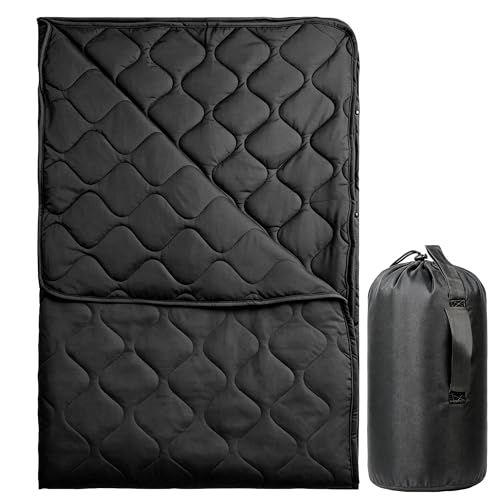
- Water-resistant and quick-drying quilted construction
- Large, lightweight blanket with compression bag
- Works for camping, hiking, travel, and emergencies
Best For: Multipurpose camp warmth and lightweight outdoor coverage
Best Lightweight Rain Protection
FROGG TOGGS Ultra-lite2 Poncho

- Waterproof, seam-taped polypropylene shell
- Only 9.6 ounces with an included stuff sack
- Deep adjustable hood and side snaps
Best For: Compact rain coverage for hiking and emergency kits
Best Wearable Insulation
iClimb 3M Thinsulate Camping Poncho

- 3M Thinsulate insulation in a lightweight design
- Detachable hood and hand-warming pocket
- Converts between poncho, quilt, shawl, and sleeping bag
Best For: Wearable warmth and versatile camp comfort
Best Emergency Backup
Don’t Die in The Woods Thermal Poncho

- Waterproof emergency poncho with heat-reflecting Mylar
- Only 3.5 ounces and highly packable
- Expands to 4 by 4 feet over a backpack
Best For: Ultralight emergency and survival preparedness
Best Overall Versatility

- Wearable insulated blanket for camp and travel
- Converts to a blanket or backcountry quilt
- Water-resistant, wind-blocking, and packable
Best For: Campers and hikers seeking a versatile insulated layer
Best Emergency Value
Rasupro Thermal Emergency Ponchos

- Four-pack for family or backup preparedness
- Waterproof and windproof Mylar construction
- Reflects body heat and packs compactly
Best For: Emergency kits, car storage, and group camping
Best Multi-Use Blanket Design

- Converts into a quilt, cloak, or wearable blanket
- Recycled insulation and weather-resistant shell
- Packs into an included compression sack
Best For: Campers wanting one poncho for multiple outdoor uses
Versatile Outdoor Insulation

- Water-repellent shell with lightweight cotton insulation
- Converts into a poncho, blanket, or sleeping bag
- Includes compression bag for compact storage
Best For: Multi-use camping, hiking, hunting, and emergency kits
Lightweight Camp Comfort
ATEPA Wearable Camping Blanket

- Works as a blanket, poncho, or camp jacket
- Weighs 1.4 pounds and packs into its pocket
- Rated for cool conditions around 45°F–68°F
Best For: Cool-weather camping, campfires, travel, and outdoor events
Emergency Weather Protection

- Waterproof hooded poncho fits over most backpacks
- Reflective lining is designed to retain up to 90% of body heat
- Four-pack stores easily in kits and vehicles
Best For: Emergency hiking, camping, car, and survival kits
Best Insulated Blanket-Style Pick – Lenotos Woobie Poncho Liner
For hikers who want the versatility of insulated hiking ponchos without committing to a dedicated rain shell, the Lenotos Woobie Blanket works as a lightweight, water-resistant wearable-style blanket or camp layer. Its quilted nylon/polyester construction, polyester fill, and included compression bag make it practical for backpacking, camping, and emergency use.
Best For: Hikers wanting a multipurpose, packable blanket for warmth, wind and rain protection, or camp use.
Pros:
- Lightweight 0.78 kg design packs into the included compression carry bag.
- Water-resistant, quick-drying construction with quilted stitching.
- Large 86.5-by-57.5-inch format works as a blanket or emergency cover.
- Machine washable and suitable for hiking, camping, survival, and travel.
Cons:
- It is a blanket-style liner rather than a fully enclosed rain poncho.
- Its listed warmth is lightweight, so it may not replace a cold-weather sleeping system.
The Lenotos is a flexible choice when you value multiple uses and easy packing. Consider pairing it with a separate rain poncho if you need more complete wet-weather coverage.
Best Lightweight Rain Protection – FROGG TOGGS Ultra-lite2 Poncho
The FROGG TOGGS Ultra-lite2 is a practical option for hikers prioritizing rain protection over insulation. This lightweight waterproof poncho uses seam-taped polypropylene, a deep adjustable hood, and side snaps to help shield you during wet-weather hikes while remaining easy to carry in its stuff sack.
Best For: Day hikers, emergency kits, and outdoor activities where compact waterproof coverage matters most.
Pros:
- 100% waterproof material with fully seam-taped construction.
- Lightweight 9.6-ounce design is easy to pack and carry.
- Adjustable deep hood and side snaps provide added wet-weather coverage.
- Reusable, breathable design is machine washable and PFAS free.
Cons:
- It is unlined and designed for rain protection rather than thermal insulation.
- The non-stretch fabric and regular fit may provide less layering flexibility than a roomier shell.
Choose the Ultra-lite2 when staying dry is the main goal and you plan to add insulation underneath. It is especially useful as a compact backup for unpredictable conditions.
Best Wearable Insulation – iClimb 3M Thinsulate Camping Poncho
The iClimb wearable blanket is one of the more insulation-focused insulated hiking ponchos in this group. It combines 3M Thinsulate M100 insulation with windproof 20D nylon, a detachable hood, hand pocket, and fastening features that let it function as a poncho, quilt, shawl, or temporary sleeping bag.
Best For: Backpackers and campers who want lightweight wearable warmth that can also serve as a blanket.
Pros:
- 3M Thinsulate insulation is designed to trap heat while staying lightweight.
- Water-resistant, windproof 20D nylon shell helps shed moisture and wind.
- Detachable hood and hand pocket add coverage and comfort.
- Compact 1.5-pound package includes an attached stuff bag and is machine washable with care.
Cons:
- Its water resistance is not the same as a fully waterproof rain shell.
- Care instructions call for a large-capacity front-loading washer and delicate washing when needed.
The iClimb stands out for hikers who want one item to provide wearable warmth at camp and flexible blanket coverage elsewhere. Its feature set makes it more versatile than a conventional insulated layer, though a separate waterproof shell may still be useful in sustained rain.
Best Emergency Backup – Don’t Die in The Woods Thermal Poncho
For hikers building a lightweight emergency kit, the Don’t Die in The Woods Emergency Poncho combines waterproof rain protection with heat-reflecting thermal Mylar. Its compact packed size and 3.5-ounce weight make it easy to keep in a hiking pack, while the 4-by-4-foot expanded format accommodates a backpack and allows freedom of movement.
Best For: Emergency preparedness, day-hike backup gear, and survival kits where minimal weight is essential.
Pros:
- Waterproof design helps protect against rain, wind, and snow.
- Heat-reflecting thermal Mylar helps retain body heat and doubles as a space blanket.
- Very compact 3.5-ounce format packs down to approximately 3.5 by 4.5 by 3.5 inches.
- Roomy 4-by-4-foot expanded size can fit over a backpack.
Cons:
- Extra-thick Mylar is intended for emergency use rather than everyday comfort.
- Hand-wash-only care is less convenient than machine-washable alternatives.
- It lacks the fabric softness and insulated cushioning of a wearable blanket.
This thermal poncho is best viewed as insurance against sudden weather and cold rather than a primary hiking layer. Its extremely low weight makes it a sensible addition to a ten-essentials-style pack or emergency kit.
Best Overall Versatility – Therm-a-Rest Honcho Poncho
The Therm-a-Rest Honcho Poncho is a practical choice among insulated hiking ponchos for anyone who wants wearable warmth that can also serve as a camp blanket or quilt. Its water-resistant synthetic fill, wind-blocking shell, and packable design suit changing outdoor conditions.
Best For: Campers, hikers, and travelers who want one insulated layer with multiple uses.
Pros:
- Compressible synthetic insulation provides warmth in damp conditions while limiting bulk.
- Snap design converts the poncho into a hands-free blanket or backcountry quilt.
- PFAS-free DWR shell helps block wind and light moisture.
- Handwarmer and zippered storage pockets add everyday practicality.
Cons:
- At 1.5 pounds, it is heavier than a minimal emergency poncho.
- The lightweight, non-stretch fabric may feel less flexible during active movement.
This is the strongest all-around option when comfort, portability, and camp versatility matter more than the absolute lightest pack weight.
Best Emergency Value – Rasupro Thermal Emergency Ponchos
For emergency kits and backup rain protection, this four-pack offers a practical alternative to traditional insulated hiking ponchos. The thickened Mylar construction is waterproof, windproof, lightweight, and designed to reflect body heat in unexpected cold conditions.
Best For: Car emergency kits, family camping supplies, and short-term weather protection.
Pros:
- Four ponchos provide convenient group or backup coverage.
- Reflective polyester film is designed to retain up to 90% of body heat.
- Waterproof, tear-resistant material covers the wearer and backpack.
- Folds compactly for storage in a vehicle or pack.
Cons:
- Mylar construction is more emergency-oriented than comfort-oriented.
- Loose, sleeveless design may offer less everyday wearability than a camping blanket poncho.
- Hand washing is recommended.
This is a sensible preparedness pick when low cost, multiple units, and compact emergency coverage are priorities, rather than long-duration hiking comfort.
Best Multi-Use Blanket Design – OneTigris Camping Poncho
The OneTigris Camping Blanket Poncho combines wearable coverage with several camp-oriented configurations, making it a flexible option among insulated hiking ponchos. Recycled synthetic insulation, a water-resistant windproof shell, and a compression sack support cool-weather trips without excessive pack bulk.
Best For: Campers and outdoor enthusiasts who want a poncho that can also function as a quilt, hammock top, or blanket.
Pros:
- Transforms into a cloak, hammock top quilt, wearable blanket, or sleeping quilt.
- Recycled synthetic insulation is designed to stay warm in damp conditions.
- Packs to approximately 15 by 7 inches and weighs 1.54 pounds.
- Includes a hood, spacious hand pocket, and water-resistant, windproof fabric.
Cons:
- Its 1.54-pound weight may be more than ultralight hikers want to carry.
- The extensive multi-use design may be unnecessary for shoppers seeking a simple rain poncho.
- Machine washing is best done in a laundry bag.
This model stands out for campsite flexibility and packable comfort, especially when one piece of gear needs to cover lounging, sleeping, and light outdoor activity.
Versatile Outdoor Insulation – LOOGU Camo Poncho Liner
The LOOGU Camo Poncho Liner is a versatile choice among insulated hiking ponchos, combining a water-repellent polyester shell with hollow cotton filling for lightweight warmth. It can also serve as a blanket, sleeping bag, picnic mat, or emergency shelter.
Best For: Campers, hikers, hunters, and travelers who want one insulated layer that works as wearable gear and camp equipment.
Pros:
- Water-repellent shell and lightweight cotton insulation provide warmth and weather resistance.
- Converts from a hooded poncho into a lightweight sleeping bag.
- Large 60-by-78.7-inch design doubles as a blanket, mat, or pet bed.
- Includes a compression bag for easier packing and storage.
Cons:
- Its broad blanket-style design may be bulkier than a purpose-built hiking jacket.
- The product is described as water resistant or waterproof, but it is not presented as a fully technical rain shell.
This is a strong pick when versatility matters more than a streamlined fit. The poncho’s multiple configurations and included compression bag make it especially useful for camping systems, emergency kits, and relaxed outdoor activities.
Lightweight Camp Comfort – ATEPA Wearable Camping Blanket
The ATEPA Wearable Camping Blanket offers a comfortable alternative to traditional insulated hiking ponchos for cool-weather breaks. Its recycled insulation, wind-resistant quilting, and water-resistant nylon shell provide lightweight coverage while keeping your hands free.
Best For: Campers, backpackers, and outdoor spectators who want a packable layer for cool evenings rather than extreme winter conditions.
Pros:
- Three-in-one design works as a blanket, hooded poncho, or camp jacket.
- Lightweight 1.4-pound construction packs into its integrated kangaroo pocket.
- 350G recycled down-alternative insulation offers warmth for approximately 45°F–68°F conditions.
- The pocket can function as a hand warmer and compact camping pillow.
Cons:
- It is not intended as a primary sleeping bag for freezing temperatures or extreme winter use.
- The fabric has no stretch, which may limit flexibility for some users.
Choose the ATEPA when low weight and campsite comfort are the priorities. It is particularly practical for car camping, campfires, road trips, and post-hike relaxation, but less suitable as a severe-weather shelter layer.
Emergency Weather Protection – PREPARED4X Mylar Poncho
The PREPARED4X Emergency Mylar Poncho is a compact survival option for hikers who need waterproof coverage and heat retention in an emergency. Unlike a flat emergency blanket, this hooded poncho is wearable, leaves your hands free, and fits over most backpacks.
Best For: Emergency kits, car storage, hiking packs, and backup protection during unexpected rain or cold.
Pros:
- Waterproof and wind-resistant design helps protect the wearer and backpack.
- Reflective mylar lining is designed to trap up to 90% of body heat.
- Double-thickness construction is intended to resist tearing better than standard emergency blankets.
- Four-pack format makes it easy to distribute across vehicles, packs, or preparedness kits.
Cons:
- It is emergency gear, not a substitute for a durable insulated hiking poncho or regular rain jacket.
- The lightweight mylar construction may provide less comfort and breathability than fabric outerwear.
- Its 45-by-45-inch dimensions may offer less coverage than the larger blanket-style options.
This four-pack is best viewed as affordable backup protection rather than everyday hiking apparel. Its small packed size, backpack-compatible fit, and thermal lining make it a sensible addition to emergency and survival kits.
How We Picked These Insulated Hiking Ponchos
We selected products across the main use cases hikers encounter: everyday warmth, rain protection, emergency preparedness, lightweight packing, and multipurpose camp comfort. The lineup includes wearable blankets, thermal liners, waterproof ponchos, and compact Mylar-based designs.
Our comparison focuses on construction, insulation, weather resistance, portability, coverage, and versatility. Because these products serve different roles, the best choice depends on whether you need a primary outer layer, a supplemental camp blanket, or a backup emergency item.
Quick Comparison
- Best for versatile camp comfort: Wearable blanket ponchos such as the Therm-a-Rest Honcho Poncho and comparable insulated hoodie styles.
- Best for rain protection: Lightweight waterproof designs such as the FROGG TOGGS Ultra-lite2.
- Best for emergency kits: Mylar-lined ponchos from Don’t Die in The Woods, PREPARED4X, and multipacks.
- Best for packability: Ultralight insulated or reflective ponchos that compress into a small pouch.
- Best for rugged outdoor use: Blanket liners and camouflage designs intended for camping, hunting, or survival applications.
Key Buying Factors for Insulated Hiking Ponchos
Insulation and Warmth
Look for synthetic insulation, Thinsulate, fleece-like lining, or reflective Mylar depending on your conditions. Reflective emergency materials help retain body heat but generally do not provide the same comfort or durability as a reusable insulated blanket poncho.
Weather Resistance
Water-resistant fabric can handle light moisture, while waterproof shells are better for sustained rain. Check whether seams, hood openings, and side closures are designed to limit water entry. A warm poncho without rain protection may require a separate shell in wet climates.
Weight and Packed Size
For long hikes, every ounce matters. Compact emergency models are useful backups, while fuller blanket ponchos offer more warmth and coverage at the cost of additional bulk. Confirm the packed dimensions if your backpack has limited space.
Coverage and Mobility
Consider length, hood adjustability, arm openings, and side snaps. A generous cut can cover layers and protect your legs while seated, but excessive fabric may interfere with trekking poles or scrambling.
Durability and Reuse
If you plan to wear the poncho frequently, prioritize reinforced fabric, dependable closures, and washable materials. Emergency products are valuable for preparedness but may be less comfortable or durable for repeated everyday use.
Who Should Buy Which Insulated Hiking Ponchos?
Day hikers and backpackers should favor lightweight, compressible designs that add warmth without overwhelming a pack. Cold-weather campers may prefer a roomy wearable blanket with substantial insulation for evenings around camp.
Rain-prone hikers should choose a waterproof poncho or pair an insulated liner with a rain shell. Emergency-preparedness buyers should consider keeping one or more reflective ponchos in a vehicle, hiking kit, or shelter bag.
Hunters, survivalists, and multipurpose outdoor users may value durable blanket liners, camouflage patterns, and designs that work as both clothing and ground or camp blankets. Before buying, match the poncho’s warmth and weather protection to the conditions you expect rather than choosing by insulation claims alone.