The best battery-powered door contact sensors provide a simple way to monitor doors, windows, cabinets, and emergency exits without running wires. Options range from standalone alarms to smart sensors that send phone alerts and trigger home automations.
This roundup compares 10 popular choices by connectivity, battery design, alarm capability, installation, and system compatibility so you can choose the right sensor for your space.
Best 10 Battery Powered Door Contact Sensors Picks for 2026
Best Smart-Home Pick
Ring Alarm Contact Sensor 2nd Gen
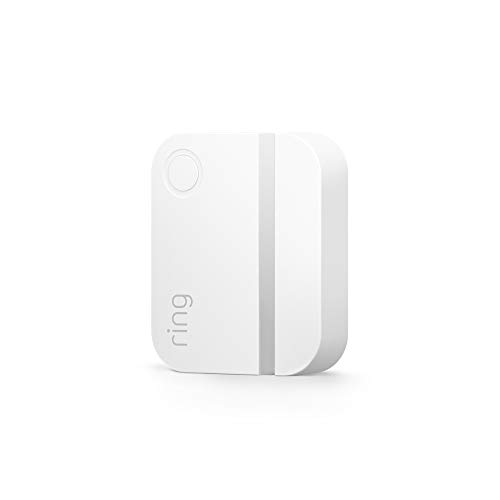
- Instant mobile alerts for doors and windows
- Slim, tool-free installation
- Approximately three-year battery life
Best For: Ring Alarm households wanting compact entry monitoring
Best Alarm Integration
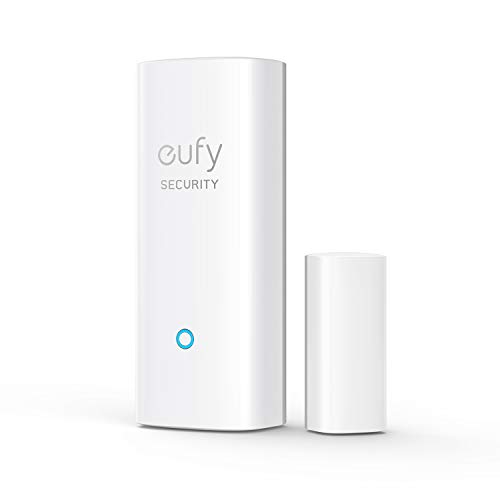
- Up to 800 days of battery life
- Triggers a 100-decibel HomeBase siren
- Compact door and window design
Best For: eufy users wanting alerts plus local siren protection
Best Standalone Value
SanJie 5-Pack Door Window Alarms

- Five sensors for multi-point coverage
- Up to 125dB adjustable alarm
- Adhesive, no-tool installation
Best For: Budget-minded indoor coverage without a security hub
Best for Tapo Automation

- Real-time phone notifications
- Supports Tapo Smart Actions
- Up to two years on one CR2032 battery
Best For: Tapo households building automated entry alerts
Best Value Audible Coverage
Philips 4-Pack Door and Window Alarms

- Four magnetic alarms for expanded coverage
- 120dB alarm with optional chime mode
- Adhesive, battery-powered installation
Best For: Simple local alerts across multiple doors and windows
Best Smart-System Starter Kit

- Four sensors and a hub included
- App alerts with no required monthly fee
- Long-range LoRa connectivity and expansion
Best For: Connected monitoring across larger homes or businesses
Best for Emergency Exits

- Loud adjustable 110dB siren
- Includes 9V battery and mounting hardware
- Flexible cable suits varied door placements
Best For: Local alerts on emergency and exit doors
Long-Range Starter Kit
YoLink Door and Window Sensor Kit

- Two sensors plus hub included
- LoRa range up to 2,034 feet open air
- No monthly fee for self-monitoring
Best For: Long-range, expandable home or business monitoring
Tamper-Aware Zigbee Pick

- Four-pack with included AAA batteries
- Tamper alerts notify your phone
- Supports Alexa, Home Assistant, and SmartThings
Best For: Zigbee-based security and home automation
Compact Zigbee Value
Besisglas Zigbee Door and Window Sensor

- Three sensors with AAA batteries included
- Real-time open/close detection
- Works with multiple Zigbee ecosystems
Best For: Adding several contact points to an existing Zigbee home
Best Smart-Home Pick – Ring Alarm Contact Sensor 2nd Gen
The Ring Alarm Contact Sensor 2nd Gen is a practical choice among battery powered door contact sensors if you already use Ring Alarm. It sends mobile alerts when a door or window opens, uses a slim design, and installs without tools.
Best For: Ring Alarm users who want compact entry monitoring and smartphone alerts.
Pros:
- Instant mobile alerts for opened doors and windows.
- Slimmer design supports more placement options.
- Tool-free installation and approximately three-year battery life.
- Includes two CR2032 batteries.
Cons:
- Requires a Ring Alarm Base Station.
- Eligible camera recording and additional features require a compatible Ring Home subscription sold separately.
This sensor is best when you are building around Ring’s ecosystem; the required Base Station makes it less suitable as a standalone purchase.
Best Alarm Integration – eufy Security Entry Sensor
The eufy Security Entry Sensor is one of the more capable battery powered door contact sensors for eufy users. It monitors doors and windows, sends smartphone alerts, and can trigger a 100-decibel siren through a required eufy Security HomeBase.
Best For: eufy Security households seeking entry alerts with an integrated siren option.
Pros:
- Up to 800 days of monitoring from one battery.
- Compact design fits doors and window frames.
- Can trigger a 100-decibel HomeBase siren when forced entry is detected.
- Includes a CR123A battery and mounting hardware.
Cons:
- Requires a eufy Security HomeBase.
- Designed for indoor use.
- Optional professional monitoring is a separate service.
Choose this model if the HomeBase ecosystem suits your setup and you value a loud local alarm alongside phone notifications.
Best Standalone Value – SanJie 5-Pack Door Window Alarms
For simple, self-contained coverage, this SanJie five-pack offers battery powered door contact sensors with built-in alarms rather than app-dependent monitoring. Each unit uses adhesive mounting and can sound an alarm or chime when the magnetic contact separates.
Best For: Covering several doors, windows, cabinets, drawers, or other openings on a budget.
Pros:
- Five sensors provide coverage for multiple locations.
- Three selectable modes include 125dB alarm, 100dB alarm, and 100dB chime.
- Installs with included 3M double-sided tape.
- Battery life is rated up to 13 months under normal use.
Cons:
- Uses local audible alerts rather than stated smartphone notifications.
- Recommended for indoor installation.
- Alarm continues for 31 seconds and stops when the door or window is closed.
This is a straightforward option for basic audible protection, especially when you need several sensors without adding a security hub.
Best for Tapo Automation – Tapo Door Sensor Mini T110
The Tapo T110 is a compact choice among battery powered door contact sensors for households using Tapo devices. It sends real-time phone notifications through a required Tapo Hub and can serve as a trigger for automations involving lights, cameras, and other equipment.
Best For: Tapo users who want entry detection to trigger smart-home actions.
Pros:
- Supports real-time notifications for unexpected openings.
- Works with doors, windows, cabinets, fridges, mailboxes, and similar items.
- Enables Smart Actions such as controlling lights or Tapo cameras.
- Uses low-power Sub-1G communication and lasts up to two years with a CR2032 battery.
Cons:
- Requires a Tapo Hub H100 and a secured 2.4GHz Wi-Fi network.
- The hub is sold separately.
- Rated battery life assumes fewer than 30 triggers per day.
The T110 makes the most sense as part of a Tapo setup; its automation support adds value beyond simple open-and-close notifications.
Best Value Audible Coverage – Philips 4-Pack Door and Window Alarms
For shoppers comparing battery powered door contact sensors, the Philips four-pack is a straightforward choice when you want local, audible alerts without wiring or drilling. Each magnetic alarm can sound a 120dB alert when a protected door or window opens, or operate in chime mode for entry notifications.
Best For: Apartments, dorm rooms, offices, RVs, and homes needing simple multi-entry-point coverage.
Pros:
- Includes four magnetic door and window alarms.
- Produces a loud 120dB alert and offers a chime mode.
- Uses adhesive mounting tape for tool-free installation.
- Includes LR44 batteries and a low-battery LED indicator.
Cons:
- Provides local alarm or chime operation rather than the app-based monitoring found in connected systems.
- The listed maximum sensor range is 0.5 inches, so careful alignment is important.
This is a practical, budget-friendly set for basic perimeter awareness. Choose it when immediate on-site sound and four included alarm units matter more than remote notifications or smart-home integration.
Best Smart-System Starter Kit – YoLink 4-Sensor Kit with Hub
Among battery powered door contact sensors, the YoLink kit is designed for shoppers who want remote notifications and room to expand. It includes four sensors and a hub, with preinstalled batteries rated for up to five years between changes, plus app-based alerts and configurable door-left-open reminders.
Best For: Homes or businesses seeking connected monitoring, long-range placement, and a scalable sensor system.
Pros:
- Includes one hub and four door sensors in the starter kit.
- Supports app notifications without a monthly fee for self-monitoring.
- LoRa connectivity offers up to 2,034 feet of open-air range.
- Supports door-left-open reminders, device pairing, and expansion to more devices.
Cons:
- Full functionality requires the included hub, a smartphone, and a network connection.
- The hub requires a wired Ethernet port or stable 2.4 GHz Wi-Fi connection.
- It is more involved to set up than a standalone audible alarm.
The YoLink kit stands out when battery life, long-range communication, and flexible alerts are priorities. Its hub requirement adds setup complexity, but it provides substantially more monitoring and automation potential than a basic local contact alarm.
Best for Emergency Exits – Nmifoan 110dB Exit Door Alarm
For a focused battery powered door contact sensors setup, this Nmifoan alarm is built to make unauthorized emergency-door entry or exit immediately noticeable. Its contact sensor triggers an adjustable 110dB siren, while the included 9V battery and mounting hardware support a straightforward installation.
Best For: Emergency doors, warehouse back doors, bars, offices, businesses, and other locations needing a prominent local exit alert.
Pros:
- Delivers an adjustable 110dB siren for entry or exit alerts.
- Includes the alarm unit, magnet, 9V battery, and mounting hardware.
- Flexible cable helps accommodate different door types and placements.
- Portable design can be used at home, work, or while traveling.
Cons:
- Uses a wired connection between the alarm components rather than wireless communication.
- Provides a local siren, with no supplied app or remote-monitoring features.
This model is a purpose-built option for doors where a loud, immediate warning is more useful than smart notifications. Its included battery and hardware make it convenient for basic deployment, particularly around emergency or exit doors.
Long-Range Starter Kit – YoLink Door and Window Sensor Kit
For shoppers comparing battery powered door contact sensors, the YoLink kit stands out as a complete starting point with two sensors and a hub. Its LoRa wireless connection is designed for long range, while included batteries are rated for up to five years between changes.
Best For: Homes, businesses, garages, and other locations needing long-range monitoring without a monthly fee.
Pros:
- Includes one hub and two door sensors, with batteries preinstalled.
- LoRa range reaches up to 2,034 feet in open air, according to the supplied specifications.
- Supports door-left-open reminders, device-to-device pairing, and multiple alert methods.
- Can support more than 300 devices across the YoLink product line.
Cons:
- Full functionality requires the included hub and a smartphone.
- The hub requires a wired Ethernet port or stable 2.4 GHz Wi-Fi connection.
- Its broader ecosystem may be more than needed for a basic single-door alert.
This is a strong choice when range, expandability, and flexible automation matter more than keeping the setup minimal. It also avoids a required monthly fee for self-monitoring.
Tamper-Aware Zigbee Pick – SONOFF SenseGuard DW Gen2
Among battery powered door contact sensors, the SONOFF SenseGuard DW Gen2 is a practical four-pack for Zigbee-based homes. It monitors open and closed status, sends phone alerts, and adds tamper notifications when a sensor is removed.
Best For: Zigbee users building security, child-safety, pet-monitoring, or home-automation routines across several doors and windows.
Pros:
- Four sensors are included, with replaceable AAA batteries supplied.
- Tamper-prevention buttons can trigger real-time phone notifications.
- Supports horizontal or vertical magnet installation with up to a 30 mm detection distance.
- Works with compatible Zigbee setups involving Alexa, Home Assistant, and SmartThings.
Cons:
- A compatible Zigbee hub is required for operation.
- Compatibility depends on the specific Zigbee hub or ecosystem setup.
- AAA batteries are replaceable, rather than built-in rechargeable power.
The tamper alert makes this more security-focused than a basic open/close sensor. Choose it if you already use Zigbee or want contact changes to trigger broader smart-home scenes.
Compact Zigbee Value – Besisglas Zigbee Door and Window Sensor
These battery powered door contact sensors offer straightforward open/close monitoring in a three-sensor package. They use AAA batteries, mount with adhesive tape, and connect through Zigbee for integration with compatible smart-home gateways.
Best For: Users who want compact, wire-free contact monitoring for multiple doors or windows in an existing Zigbee setup.
Pros:
- Three sensors are included with AAA batteries and adhesive mounting tape.
- Provides real-time open/close detection through a compatible Zigbee gateway.
- Supports ecosystems and hubs including Home Assistant, SmartThings, Homey, Hubitat, and compatible Echo devices.
- Lists a wireless range of up to 100 feet.
Cons:
- A compatible Zigbee gateway is required.
- It does not include a gateway or hub in the supplied package details.
- The listed range is shorter than the YoLink kit’s stated open-air range.
This is a sensible pick for expanding an existing Zigbee network across several entry points. It keeps installation simple, but buyers should confirm gateway compatibility before ordering.
How We Picked the Best Battery Powered Door Contact Sensors
We evaluated these sensors for the features that matter most in everyday use: dependable open-and-close detection, battery-powered installation, alert speed, sound output, app or hub compatibility, and flexibility across doors and windows. We also considered whether each model works as a standalone alarm or requires a specific ecosystem, such as Ring, Tapo, YoLink, Zigbee, or eufy Security.
Because the products serve different needs, this list includes compact smart contact sensors, multipacks for whole-home coverage, loud local alarms, and kits that include a required hub.
Quick Comparison
| Best For | Look For |
|---|---|
| Smartphone alerts | A compatible hub, bridge, or security system |
| Simple local warning | Built-in siren, chime, and adjustable volume |
| Whole-home coverage | Multipacks or expandable sensor ecosystems |
| Long-term monitoring | Replaceable batteries and low-power wireless protocols |
| Emergency exits | A high-volume alarm designed for unauthorized entry or exit |
Key Buying Factors for Battery-Powered Door Contact Sensors
Connectivity and Hub Requirements
Check whether the sensor connects directly to Wi-Fi, uses Bluetooth, or requires a hub. Hub-based systems can offer better battery efficiency and more reliable automation, but the hub adds cost and setup steps. Zigbee and other low-power standards are useful when you already have a compatible smart-home controller.
Alerts and Alarm Behavior
Decide whether you need phone notifications, a local siren, a wireless chime, or all three. A smart sensor is better for remote awareness, while a standalone 110dB or 125dB alarm can warn people nearby even when no app is available.
Battery Life and Maintenance
Battery life varies with wireless standard, reporting frequency, temperature, and usage. Choose models with replaceable batteries when possible, and favor systems that show battery status in the app. Test sensors periodically rather than waiting for a low-battery warning.
Installation and Fit
Most contact sensors use adhesive mounting, so measure the gap between the sensor and magnet and verify that both parts align when the door or window is closed. Slim designs are preferable for narrow frames, while larger alarms may need more clearance.
Who Should Buy Which Battery Powered Door Contact Sensors?
Choose a Ring, eufy, Tapo, YoLink, or Zigbee-compatible model if you want connected monitoring and already use—or plan to build around—the matching ecosystem. YoLink kits are especially practical when you need several sensors and a dedicated hub. A local Philips or high-volume multipack alarm is better for renters, garages, sheds, or rooms where a loud on-site warning matters more than app integration.
For emergency doors and restricted exits, prioritize a purpose-built alarm with a strong siren and simple controls. If you are covering an entire home, start with a multipack, confirm battery access, and make sure the selected platform can expand with additional sensors.