The best window contact sensors for homes make it easier to spot opened windows, reinforce entry points, and receive timely alerts without complicated installation. This roundup compares smart-home sensors, standalone alarms, and wired magnetic contacts for different security setups.
Whether you need coverage for several rooms, a simple audible warning, or integration with an existing hub, the right sensor depends on compatibility, alert options, installation method, and ongoing battery or wiring requirements.
Best 10 Window Contact Sensors for Homes Picks for 2026
Smart-System Pick
Ring Alarm Contact Sensor 6-Pack
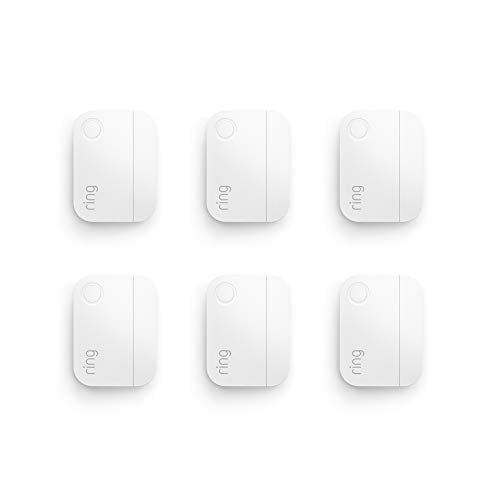
- Six sensors for multiple entry points
- Slim, tool-free installation
- Requires Base Station and subscription for alerts
Best For: Ring households expanding connected door and window coverage
Largest Coverage Pack
UltraPro 12-Pack Window and Door Alarm

- Twelve standalone alarms
- 120dB siren or chime modes
- No apps or monthly fees
Best For: Broad, budget-friendly coverage with local audible alerts
Newest Connected Option
Ring Window & Door Sensor 6-Pack

- Six connected door and window sensors
- No base station required
- Uses Amazon Sidewalk; monitoring sold separately
Best For: Ring users seeking connected coverage without a base station
Compact Starter Set
Philips Personal Security Alarm 4-Pack

- Four wireless contact alarms
- 120dB siren or chime modes
- Adhesive, tool-free installation
Best For: Small spaces needing simple standalone entry alerts
Best Wired Value

- Four-pack for multiple openings
- Double-sided tape for installation
- Designed for 22–28 AWG wiring
Best For: DIY wired alarm installations
Best Standalone Alert

- Five wireless alarm sensors
- 125dB, 100dB, and chime modes
- Tool-free 3M tape installation
Best For: Local alerts without wiring
Best Smart-Home Kit
Tapo Matter Contact Sensor Starter Set

- Three sensors plus H100 hub
- App notifications and activity history
- Matter-compatible smart-home integration
Best For: Connected homes and automation setups
Best Zigbee Pick
SONOFF SenseGuard DW Gen2 4-Pack

- Open/close and tamper phone alerts
- Flexible 30 mm installation tolerance
- Works with compatible Zigbee ecosystems
Best For: Multi-room smart-home security and automation
Best Ring-Compatible Option
Ring Alarm Contact Sensor 2-Pack

- Slim, tool-free installation
- Approximately three-year battery life
- Mobile alerts through the Ring setup
Best For: Existing Ring Alarm households
Best Simple Pick
QLXHBOT RC-33 Recessed Contact Sensors

- Five recessed magnetic switches
- 15–25 mm actuation distance
- Normally closed wired design
Best For: Wired alarm and access-control installations
Smart-System Pick – Ring Alarm Contact Sensor 6-Pack
For households already using Ring, this six-pack is a practical way to expand coverage with window contact sensors for homes. The slim, tool-free design mounts to door and window frames and can send mobile alerts when an entry point opens with a Ring Protect subscription.
Best For: Ring Alarm users who need coverage for several doors or windows.
Pros:
- Six sensors help cover multiple entry points.
- Slim design enables more placement options.
- Tool-free installation and approximately three-year battery life.
- Includes two CR2032 batteries per sensor.
Cons:
- Requires a Ring Alarm Base Station.
- Mobile alerts require a Ring Protect subscription, sold separately.
This is a strong choice when you want integrated alerts and already have the required Ring equipment. It is less suitable as a standalone sensor system.
Largest Coverage Pack – UltraPro 12-Pack Window and Door Alarm
The UltraPro 12-pack offers broad, low-cost coverage for window contact sensors for homes without an app or monthly subscription. Each battery-powered unit mounts with included double-sided tape and can use either a 120dB siren or a chime when a door or window opens.
Best For: Homes, apartments, dorms, offices, RVs, or campers needing many standalone alarms.
Pros:
- Twelve alarms cover a wide range of doors, windows, cabinets, or drawers.
- Selectable siren or chime modes support different routines.
- Tool-free wireless mounting with included double-sided tape.
- No apps or monthly fees required.
Cons:
- Uses four LR44 batteries per alarm.
- Provides local audible alerts rather than stated mobile notifications.
Choose this pack when quantity and simple local protection matter most. The front low-battery LED can help with upkeep, while the 120dB alarm provides an immediate audible deterrent.
Newest Connected Option – Ring Window & Door Sensor 6-Pack
This newer Ring six-pack is designed for shoppers seeking window contact sensors for homes without adding a Ring Alarm Base Station. The sensors install without tools or wiring and connect over Amazon Sidewalk, while compatible Ring subscriptions can add professional monitoring.
Best For: Ring users who want six connected sensors without a separate base station.
Pros:
- Six sensors expand coverage across doors and windows.
- No base station is required.
- Quick installation without tools or wiring.
- Compatible Ring subscription can add 24/7 professional monitoring.
Cons:
- Amazon Sidewalk is required, and coverage may vary.
- Professional monitoring is sold separately.
This model is the more flexible Ring option if avoiding a dedicated base station is important. Confirm Amazon Sidewalk availability and consider subscription costs before buying.
Compact Starter Set – Philips Personal Security Alarm 4-Pack
The Philips four-pack is a straightforward entry-level option for window contact sensors for homes, apartments, dorms, and offices. Its magnetic sensors use adhesive mounting and offer either a 120dB alarm or a chime without wiring, apps, or a stated monthly service.
Best For: Smaller spaces needing simple, local protection for several entry points.
Pros:
- Four alarms provide coverage for multiple doors or windows.
- 120dB alarm and chime modes offer flexible alerts.
- Included adhesive tape supports quick, tool-free installation.
- Low-battery LED indicator helps with maintenance.
Cons:
- Each alarm uses four button-cell batteries.
- Local alarm or chime operation does not state app-based notifications.
This set suits buyers who want uncomplicated protection rather than a connected security platform. It is a practical smaller-pack alternative to the 12-unit UltraPro set.
Best Wired Value – Simple NC Magnetic Contacts
GAGALOR 4 Sets NC Wired Door Alarm Magnetic Contact Sensor with Double Side Tape
Check Price On AmazonFor shoppers seeking window contact sensors for homes without built-in alarms or app features, this four-pack offers a straightforward wired magnetic-contact setup. The normally closed design keeps the switch closed while the door or window is closed, and the included double-sided tape simplifies mounting.
Best For: DIY wired alarm installations covering multiple doors or windows.
Pros:
- Four sensors included for multi-opening coverage.
- Double-sided tape supports quick installation.
- More than 1/2 inch of operating distance suits many doors and windows.
- Designed for 22–28 AWG wires.
Cons:
- Requires compatible wiring and an alarm system.
- Does not provide a standalone siren, app alerts, or smart-home integration.
- Wiring may be less convenient than wireless alternatives.
This is a practical choice when you already have a compatible wired security setup and want several basic contacts at once. Confirm your wire gauge and installation requirements before ordering.
Best Standalone Alert – 125dB Door and Window Alarms
These wireless window contact sensors for homes combine magnetic triggering with an integrated alarm, making them useful when you want a simple local alert without wiring into a larger system. The five-pack installs with 3M adhesive and offers adjustable alarm and chime modes.
Best For: Renters and households wanting loud, self-contained alerts for doors, windows, cabinets, or drawers.
Pros:
- Five wireless alarms provide coverage for several openings.
- Offers 125dB and 100dB alarm settings plus a 100dB chime mode.
- 3M double-sided tape supports tool-free installation.
- Supplied LR44 batteries are rated for up to 13 months of normal use.
Cons:
- Designed for indoor installation.
- Produces a local alarm rather than documented app notifications.
- Battery replacement is required over time.
With five units, selectable volume, and a loud local siren, this set is a convenient option for basic entry alerts. It can also help monitor cabinets, drawers, pool areas, garages, RVs, and other locations listed by the manufacturer.
Best Smart-Home Kit – Tapo Matter Contact Sensor Starter Set
For connected window contact sensors for homes, the Tapo starter kit pairs three contact sensors with a Tapo H100 hub. It supports real-time status notifications, activity history, automations, and Matter compatibility, while the included hub provides a built-in chime and enables the sensors to operate.
Best For: Smart-home users who want app monitoring, automations, and expansion across compatible platforms.
Pros:
- Includes three Tapo T110 sensors and one H100 hub.
- Provides real-time open/close notifications and activity history through the Tapo app.
- Matter compatibility supports major platforms including Alexa, Google Home, Apple HomeKit, and Samsung SmartThings.
- Supports up to 64 compatible sensors, switches, and buttons through the hub.
Cons:
- The sensors require the included Tapo H100 hub to operate.
- 2.4GHz Wi-Fi is required for the hub.
- Smart features involve a higher setup commitment than basic standalone alarms.
This is the most feature-rich option in the group for households building a broader smart-security system. Built-in magnets or 3M adhesive allow tool-free mounting, and the sensors use low-power Sub-G communication with batteries rated for up to two years.
Best Zigbee Pick – SONOFF SenseGuard DW Gen2 4-Pack
For shoppers comparing window contact sensors for homes, the SONOFF SenseGuard DW Gen2 is a flexible four-pack for monitoring doors and windows. It provides app alerts for open, close, and tamper events, but requires a compatible Zigbee hub.
Best For: Smart-home users who want multi-room coverage, tamper notifications, and automation support.
Pros:
- Monitors open/close status and sends phone alerts.
- Tamper-prevent button can trigger a notification if the sensor is removed.
- Supports horizontal or vertical magnet installation with up to 30 mm detection distance.
- Works with compatible Home Assistant, Alexa, and SmartThings Zigbee setups.
Cons:
- Requires a Zigbee hub to operate.
- AAA batteries are replaceable, but the sensor is not plug-in powered.
This is a strong choice when you need several sensors and want them to participate in broader smart-home scenes, such as alarms, camera recording, or lighting triggers.
Best Ring-Compatible Option – Ring Alarm Contact Sensor 2-Pack
The Ring Alarm Contact Sensor 2-Pack is a straightforward option among window contact sensors for homes using Ring Alarm. Its slim design mounts without tools and sends mobile alerts, but operation requires the Ring Alarm Base Station.
Best For: Ring Alarm owners who want simple door and window monitoring with long stated battery life.
Pros:
- Provides instant mobile alerts when doors or windows open.
- Smaller design offers more placement options.
- Installs without tools on door and window frames.
- Includes two CR2032 batteries with an approximately three-year battery life.
Cons:
- Requires the Ring Alarm Base Station.
- A Ring Protect subscription is sold separately for mobile alerts.
Choose this pair when you already use Ring Alarm and value quick installation and a compact profile. It is less suitable if you do not have the required Ring hardware and service setup.
Best Simple Pick – QLXHBOT RC-33 Recessed Contact Sensors
The QLXHBOT RC-33 set takes a wired approach to window contact sensors for homes, supplying five recessed magnetic switches for alarm or access-control installations. These normally closed contacts are designed for wired circuits rather than direct app-based monitoring.
Best For: DIY or professional wired security systems needing multiple recessed contacts.
Pros:
- Five sensors are included in the package.
- Recessed design can provide a low-profile installation.
- Supports a 15–25 mm actuation distance.
- Normally closed switching suits compatible wired alarm circuits.
Cons:
- Requires wired installation and a compatible DC-powered system.
- Does not provide standalone app alerts based on the supplied specifications.
- Correct interpretation of the normally closed circuit is important during installation.
This five-pack makes sense when you are integrating contacts into existing wiring or a custom alarm panel. It is not the convenient choice for renters or shoppers seeking wireless phone notifications.
How We Picked the Best Window Contact Sensors for Homes
We evaluated these products by looking at the features that matter most in everyday home security: installation complexity, alert method, smart-home compatibility, power requirements, coverage value, and suitability for different types of windows and doors. The selection includes multi-packs for whole-home coverage, standalone alarms for simple protection, and wired or hub-based options for more customized systems.
We also considered whether each sensor is designed for renters, homeowners, DIY installations, or integration with a broader alarm platform. Product descriptions and listed specifications should be checked before purchase, especially for hub, app, wireless-network, and wiring requirements.
Quick Comparison
| Type | Best For | Main Advantage | Watch For |
|---|---|---|---|
| Smart hub-based sensors | Connected security systems | Phone alerts, automation, and status monitoring | Hub or platform compatibility |
| Standalone wireless alarms | Simple DIY protection | Fast installation and local sound | Limited remote monitoring |
| Wired magnetic contacts | Existing alarm panels or custom projects | No sensor battery to replace | More involved installation and wiring |
Key Buying Factors for Window Contact Sensors for Homes
Alert Type and Monitoring
Decide whether you need a local siren, a wireless chime, phone notifications, or integration with a professional or DIY alarm system. Standalone alarms can deter or notify people nearby, while connected sensors are better for remote awareness.
Compatibility and Hubs
Smart models may require a dedicated hub or a compatible ecosystem. Confirm support for your preferred app, wireless protocol, and smart-home standard before ordering. Matter compatibility can improve flexibility, but the full setup may still depend on a hub or controller.
Installation and Fit
Adhesive-backed sensors are convenient for renters and quick installations, but surfaces must be clean and the two sensor pieces must align correctly. Wired recessed or surface contacts require more planning and may be better suited to permanent installations.
Battery Life and Maintenance
Check the stated battery life, battery type, and whether low-battery alerts are available. A larger multi-pack can reduce cost per opening, but it also means more devices to test and maintain over time.
Coverage, Sound, and Placement
Count the windows and doors you want to protect, then consider whether you need spare sensors. For standalone alarms, compare siren volume and volume controls. For connected products, check wireless range and place sensors away from obstructions where possible.
Who Should Buy Which Window Contact Sensors for Homes?
Choose a smart hub-based kit if you want app notifications, automation, or a central view of multiple entry points. These are especially useful for homeowners already using a compatible smart-home or security platform.
Choose a standalone wireless alarm pack if you want affordable, straightforward protection without configuring an app or hub. These work well for apartments, outbuildings, children’s rooms, or secondary entry points where a local alert is sufficient.
Choose wired magnetic contacts if you have an existing alarm panel, are replacing compatible contacts, or prefer a permanent low-maintenance installation. Verify the contact type and panel requirements before buying.
For most buyers, the best option is the one that matches the home’s monitoring needs and installation constraints—not necessarily the model with the loudest alarm or the largest pack. Map your openings first, confirm compatibility, and leave room in your budget for replacement batteries, hubs, or installation supplies.