Late-season predators are often more cautious, more pressured, and less willing to expose themselves without a convincing visual target. The right decoy can add movement, reinforce your calling setup, and help turn a wary coyote, fox, or bobcat into a committed approach.
We selected 10 predator decoys and decoy-call combinations with different strengths, from compact motion units to full-size coyote silhouettes and remote-controlled systems. Use the guide below to match features, durability, and setup style to your terrain and hunting strategy.
Best 10 Predator Decoys for Late Season Picks for 2026
Compact Motion Decoy

- Adjustable intermittent 360-degree motion
- Fur-covered injured-critter appearance
- Packable design with stake holder
Best For: Mobile hunters using a Primos electronic caller
Long-Running Critter Decoy

- Up to 20 hours on four AA batteries
- Intermittent spinning fur-covered topper
- Built-in cottontail distress sound
Best For: Extended hunts needing a self-contained decoy
Caller-and-Decoy Combo

- Caller includes 100 permanent sounds
- Remote range reaches up to 300 yards
- Included decoy provides ultra-quiet motion
Best For: Hunters wanting an all-in-one electronic system
Full-Size Coyote Profile
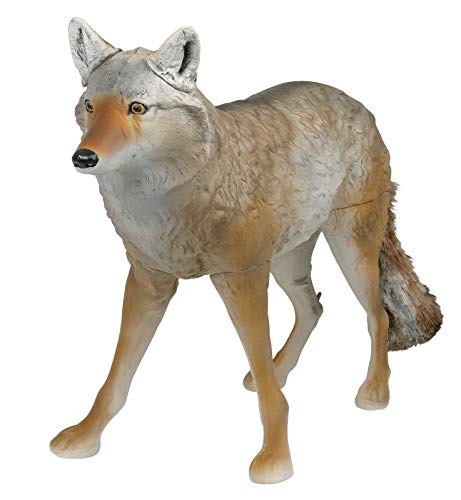
- Realistic mature-male coyote coloration
- Poseable ears and wire-backed tail
- Removable legs store inside the body
Best For: Static coyote presentations with adjustable detail
Best Motion Upgrade
Mantis Pro Motion Predator Electronic Decoy

- Quiet motor adds unpredictable movement
- Syncs with compatible Mantis caller sounds
- Includes fur and kite stick assemblies
Best For: Mantis 400 users seeking a compact electronic motion upgrade
Best Realistic Full-Size Option

- Life-sized coyote design
- Glass eyes and faux-fur tail
- Includes two-piece stake
Best For: Hunters wanting a simple, realistic, full-size visual decoy
Best Packable Rabbit Profile
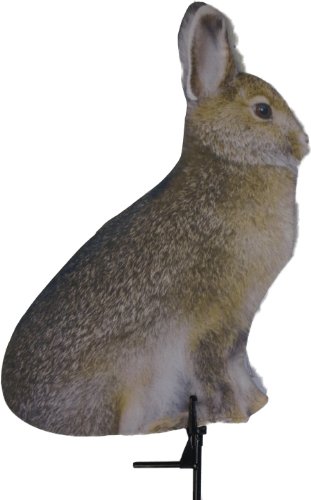
- Uses an actual Plains Cottontail photo
- Folds to 10 by 5 inches
- Sets up quickly and quietly
Best For: Mobile hunters prioritizing low weight and compact transport
Best Motion Decoy

- Lifelike motion and built-in cottontail sound
- Up to 20 hours on four AA batteries
- Tripod legs and 1/4-inch camera-thread peg
Best For: Flexible motion-and-sound setups
Best Long-Range Combo

- 300-yard remote range
- 30 sounds with simultaneous playback
- Adjustable-speed decoy with two toppers
Best For: Long-distance caller and decoy placement
Best Simple Fur-Wrapped Combo

- 150-yard remote range
- Fur wrap and furry decoy topper
- Up to 40 hours of battery life
Best For: Durable, long-runtime field setups
Compact Motion Decoy – Primos Sit-N-Spin
For hunters comparing predator decoys for late season, the Primos Sit-N-Spin offers a lightweight, packable way to add intermittent motion near an electronic caller. Its fur-covered, injured-critter look and adjustable spinning speed are suited to setups where visual activity can help hold a predator’s attention.
Best For: Mobile hunters who want a compact, adjustable-motion decoy to use with a Primos electronic caller.
Pros:
- Intermittent 360-degree spinning motion with adjustable speed
- Realistic fur and white-tipped tails imitate a flaring, panicked critter
- Small design includes an integrated ground-stake holder
Cons:
- Control integration is specifically described for Primos electronic callers
- Its small profile may provide less visual presence than a full-size decoy
The Sit-N-Spin is a practical choice when portability matters. Adjustable motion lets you tailor the presentation, while the compact form keeps it convenient to carry between late-season stands.
Long-Running Critter Decoy – MOJO Fuzzy Critter
The MOJO Outdoors Critter Decoy is a convenient option for predator decoys for late season when you want realistic prey-type fur and extended battery operation. Its intermittent spinning topper, built-in cottontail distress sound, and remote-caller compatibility give it flexibility in a range of field setups.
Best For: Hunters who want a self-contained, fur-covered decoy with up to 20 hours of operation.
Pros:
- Realistic prey-type fur and intermittent spinning action
- Speaker is programmed with a cottontail distress sound
- Runs on four AA batteries for up to 20 hours
- 3.5 mm auxiliary port supports on/off control from most remote callers
Cons:
- At 1.3 pounds, it is heavier than the Primos compact decoy
- Remote control compatibility is described as working with most, not all, callers
This MOJO model stands out for all-day practicality. It combines motion, sound, and a fur-like appearance in one portable unit, making it a strong fit for extended late-season hunts.
Caller-and-Decoy Combo – Western Rivers Mantis Pro 100
For a complete predator decoys for late season setup, the Western Rivers Mantis Pro 100 combines an electronic caller with an included moving decoy. Its 100 stored sounds, remote control, swiveling legs, and high-speed ultra-quiet motor are designed to simplify remote operation in the field.
Best For: Hunters who want a bundled electronic caller and decoy rather than a standalone motion unit.
Pros:
- Includes a caller and predator decoy in one package
- Stores 100 permanently downloaded sounds in 32 MB of memory
- Remote offers up to a 300-yard range with a backlit display
- Decoy uses unpredictable motion from a high-speed, ultra-quiet motor
Cons:
- At 5.7 pounds, it is substantially less compact than standalone decoys
- Weatherproof construction is not waterproof
- Requires eight AA batteries for operation, including the remote
The Mantis Pro 100 is best viewed as a full electronic calling system with visual confirmation included. It offers broad sound selection and remote control, but its larger size and battery requirements may matter for mobile hunters.
Full-Size Coyote Profile – Flambeau Lone Howler
The Flambeau Outdoors Lone Howler takes a different approach to predator decoys for late season, using a full-size coyote body rather than powered spinning motion. Realistic body detail, a faux-fur tail, poseable ears, and removable legs let you create a visible coyote presentation while making transport and storage more manageable.
Best For: Hunters who prefer a large, static coyote decoy with adjustable presentation and durable hard-plastic construction.
Pros:
- Ultra-realistic body detail and mature-male coloration
- Poseable ears and a wire-backed faux-fur tail support varied presentations
- Removable legs fit inside the body for transport and storage
- Includes a scent-pad spike on the rear leg
Cons:
- Its 30-inch length and full-size form are less packable than compact decoys
- Provides wind-driven tail movement rather than powered motion
- Hard-plastic construction adds bulk for mobile setups
The Lone Howler suits hunters who want a strong visual coyote profile and do not need an electronic motor. Its removable legs improve portability, while the poseable features allow a more tailored field presentation.
Best Motion Upgrade – Mantis Pro Motion Predator Electronic Decoy
For hunters comparing predator decoys for late season, the Western Rivers Mantis Pro adds controlled movement to a compatible Mantis calling setup. Its compact motorized design is intended to provide visual confirmation while syncing movement with sounds from the call.
Best For: Hunters who already use a Mantis 400 caller and want a compact electronic motion decoy.
Pros:
- High-speed, ultra-quiet motor creates unpredictable movement.
- Motor speed control can sync with sounds from the Mantis caller.
- Includes fur and kite stick assemblies.
- Compact design and one-year limited warranty.
Cons:
- Designed to connect to the Mantis caller attachment area.
- Requires four AA batteries, which are not included.
This is a specialized choice rather than a standalone visual decoy. Its strongest advantage is adding synchronized motion to an existing Mantis system without adding much bulk to your gear.
Best Realistic Full-Size Option – Lucky Duck Yote Coyote Decoy
The Lucky Duck Yote Coyote is a life-sized visual decoy for hunters evaluating predator decoys for late season. Its faux-fur tail, glass eyes, lightweight EVA construction, and included stake make it a practical choice when a simple, realistic setup is preferred.
Best For: Hunters who want a life-sized coyote silhouette that is easy to transport and stake in place.
Pros:
- Life-sized design includes glass eyes and a faux-fur tail.
- Lightweight EVA rubber construction supports easier transport.
- Includes a two-piece stake for straightforward setup.
- Can also be used as a bird deterrent.
Cons:
- It is a static decoy with no motorized motion listed.
- At two pounds, it is heavier than the Montana Decoy option.
The Yote Coyote offers a convincing, full-size profile without requiring electronics or batteries. It suits hunters who value visual realism and uncomplicated field deployment over animated movement.
Best Packable Rabbit Profile – Montana Decoy Miss Hoptober
For a lightweight addition to a late-season calling spread, the Montana Decoy Miss Hoptober presents an actual Plains Cottontail photo in a compact folding format. It sets up quickly and quietly, making it useful when portability and discreet deployment matter.
Best For: Mobile predator hunters who want a lightweight rabbit-profile decoy that packs down small.
Pros:
- Built using an actual Plains Cottontail photo.
- Folds to 10 by 5 inches for transport.
- Fast and extremely quiet to set up.
- Includes leg poles and a strap.
Cons:
- It is a lightweight photo-style decoy rather than a full-bodied model.
- The supplied notes do not list motorized movement.
Miss Hoptober is the most packable option in this group, weighing about seven ounces. Its quiet setup and small folded size make it a sensible choice for hunters carrying minimal gear to a stand.
Best Motion Decoy – MOJO Critter Decoy
For hunters comparing predator decoys for late season, the MOJO Outdoors Critter Decoy combines lifelike movement with built-in cottontail sound. Its tripod legs, camera-thread peg, and rugged ABS housing make it practical for varied field setups.
Best For: Hunters who want a motion decoy with flexible mounting and extended battery life.
Pros:
- Magnetically connected topper provides realistic motion.
- Built-in MOJO Cottontail sound can attract coyotes, bobcats, and other predators.
- Runs for up to 20 hours on four AA batteries.
- Works with compatible remote callers through a 3.5mm auxiliary port.
Cons:
- Four AA batteries are not included.
- Double-male auxiliary cord for remote-call connection is sold separately.
The Super Critter is a versatile choice when motion, sound, and placement flexibility matter. Its long runtime is useful for extended hunts, while the separate cord requirement adds a small setup consideration.
Best Long-Range Combo – Icotec 320+ Call and Decoy
The Icotec 320+ is a call-and-decoy package for hunters seeking predator decoys for late season with substantial remote reach. It combines a 300-yard remote, Bluetooth connectivity, simultaneous sound playback, and an adjustable-speed decoy.
Best For: Hunters who prioritize long-distance control and a broad selection of included predator sounds.
Pros:
- 300-yard remote range supports flexible caller placement.
- Includes 30 professional audio calls and can play two sounds simultaneously.
- Bluetooth range reaches up to 100 yards.
- Includes an AD400 adjustable-speed decoy with two prey toppers.
Cons:
- Batteries for the unit, decoy, and remote are not included.
- The system requires separate battery types for its components.
With its long remote range and included electronic decoy, the 320+ is suited to setups where distance and control are central. The multiple components offer flexibility, though buyers should plan for the required batteries.
Best Simple Fur-Wrapped Combo – Icotec Furnado Caller Decoy
The Icotec Furnado offers a straightforward caller-and-decoy setup for hunters evaluating predator decoys for late season. Its realistic fur wrap, furry topper, 15 included sounds, and 150-yard remote range cover the core needs of a portable field system.
Best For: Hunters who want a durable, fur-wrapped decoy combo with long battery life and simple controls.
Pros:
- 150-yard remote range allows flexible caller placement.
- Includes 15 professionally recorded and composed sounds.
- Realistic fur wrap and furry topper support a natural-looking setup.
- Runs for up to 40 hours on a battery set.
Cons:
- Remote range is shorter than the Icotec 320+ system’s 300 yards.
- Four AA batteries and one A23 battery are required but not included.
The Furnado is a practical option for hunters who value portability, durability, and runtime over maximum remote distance. Its fur-covered design and included topper make it ready for a convincing decoy presentation without adding separate accessories.
How We Picked These Predator Decoys for Late Season
Late-season hunting puts extra emphasis on realism, dependable movement, quiet operation, and fast setup. We compared these options by looking at decoy shape and finish, portability, motion design, power requirements, remote-control range, and compatibility with predator calling tactics. We also considered whether each product is best used as a standalone visual attractant or as part of a combined caller-and-decoy system.
Because the list includes both simple decoys and electronic combinations, the best choice depends on how much gear you want to carry and how actively you want to manage the setup in the field.
Quick Comparison
| Type | Best For | Main Advantage |
|---|---|---|
| Static coyote or predator decoy | Simple ambush setups | Low weight and minimal maintenance |
| Motion decoy | Open terrain and cautious predators | Movement adds visual credibility |
| Electronic decoy | Remote-controlled setups | Lets you create activity away from your position |
| Caller-and-decoy combo | All-in-one hunters | Combines sound, movement, and remote operation |
Key Buying Factors for Predator Decoys for Late Season
Realism and Silhouette
A believable outline matters most when predators can see the decoy across open ground. Look for natural proportions, a convincing posture, and coloring suited to the season and habitat. A decoy should support your call rather than look like an obvious artificial object.
Movement and Noise
Late-season animals may investigate slowly, so subtle movement can help maintain interest. Choose a motorized or spinner design when visibility is high, but avoid units that create excessive mechanical noise. In windy conditions, check whether the decoy remains stable and continues moving naturally.
Power and Remote Range
Electronic models require more planning. Confirm battery type, expected runtime, remote range, and whether the controls remain practical from your shooting position. Longer-range remotes are useful when the decoy must be placed well away from the blind or calling location.
Portability and Setup
Collapsible designs and removable legs are valuable when walking into remote stands. Also consider how quickly the decoy assembles, how securely it anchors, and whether it can withstand frozen ground, snow, and strong wind.
Calling Compatibility
A decoy is only one part of the setup. If you want fewer separate devices, a caller-and-decoy combination may simplify deployment. Dedicated decoys are better if you already own a preferred electronic caller or mouth-call system.
Who Should Buy Which Predator Decoys for Late Season?
- Choose a static decoy if you want the lightest, quietest, and simplest option for short walks or close-range setups.
- Choose a motion decoy if you hunt open fields, need extra visual attraction, or regularly encounter cautious predators that hang back.
- Choose an electronic decoy if remote placement and controlled movement are central to your calling strategy.
- Choose a caller-and-decoy combo if you are building a complete late-season kit and want sound and movement managed from one system.
Before buying, match the decoy to your terrain, expected weather, and walking distance. For many hunters, the best Predator Decoys for Late Season are not the most elaborate models, but the ones that deploy quickly, operate quietly, and remain convincing during a long stand.