The best ultralight bivy sacks give backpackers a compact alternative to a tent while adding protection from wind, rain, condensation, and uneven ground. The right choice depends on whether you prioritize minimum weight, full waterproofing, emergency readiness, or a roomier cut for regular sleeping.
This roundup compares ten bivy-style shelters and sleeping-bag covers, including breathable minimalist designs, military-inspired shells, thermal emergency bivvies, and lightweight liners. Use the guide below to match construction, ventilation, packed size, and intended use to your trips.
Best 10 Ultralight Bivy Sacks Picks for 2026
Best Overall
Sierra Designs Backcountry Bivy

- 16-ounce 20D nylon ripstop construction
- Waterproof/breathable top with mesh ventilation
- Large opening and guy line loop add convenience
Best For: Versatile backpacking, camping, and bikepacking
Best Budget Option
Ultralight Ventilated Bivy Sack

- Simple one-size polyester construction
- Ultralight design for easier carrying
- Red and green seasonal options
Best For: Simple seasonal camping and lightweight outdoor kits
Best Emergency Bivy
Snugpak Special Forces Bivvi Bag
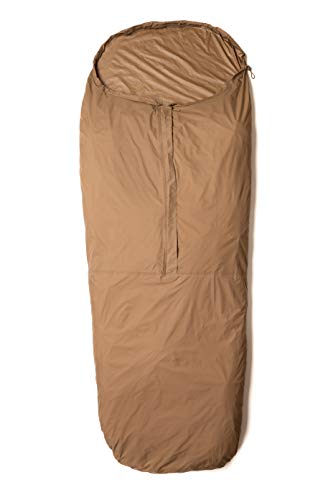
- 12-ounce waterproof and windproof shell
- Packs to a compact 6-by-4-inch size
- Half-length center zipper and 90-inch length
Best For: Emergency kits and wet-weather backpacking
Best Military-Style Shell
U.S. Military Modular Bivy Cover

- Breathable waterproof material with sealed seams
- Two-way zipper supports adjustable ventilation
- Fits modular patrol and cold-weather sleep systems
Best For: Rugged field use and sleeping-bag protection
Best Waterproof-Breathable Pick

- Waterproof-breathable 70D nylon shell
- 1.1 lb with integrated stuff sack
- Fits users up to 6'6"
Best For: Minimalist three-season backpacking
Best Generous-Cut Cover

- Waterproof, breathable three-layer laminate
- Generous cut for various sleeping bags
- Can serve as a standalone shelter
Best For: Flexible camping and emergency shelter use
Best Lightweight Warmth Boost

- Lightweight 428 g listed weight
- Waterproof 70D polyester shell
- Hood claims approximately 9°F added warmth
Best For: Weight-conscious summer camping and emergency use
Best Emergency Ultralight Bivy

- 5.1-ounce compact design
- Reflects 90% of body heat
- Includes whistle and carabiner
Best For: Emergency kits and lightweight backup warmth
Best Ultralight Tyvek Liner
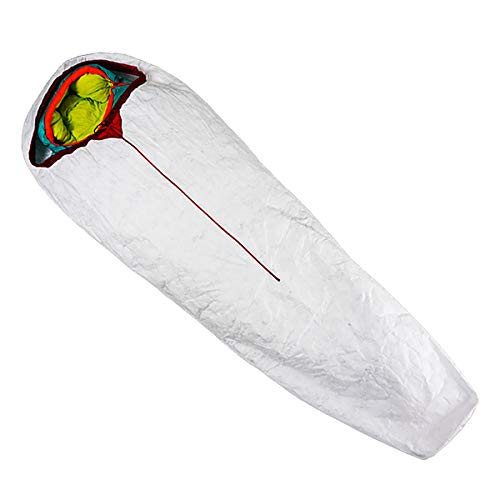
- 130- or 200-gram options
- Helps limit condensation
- Packs to 16 x 8.5 cm
Best For: Sleeping-bag protection under a tent or tarp
Best Weatherproof Ultralight Bivy
Litume Waterproof Mummy Shelter

- Waterproof breathable nylon
- Under-400-gram packed shelter
- Sealed seams and covered zippers
Best For: Three-season backpacking and wet-weather bivouacs
Best Overall – Sierra Designs Backcountry Bivy
The Sierra Designs Backcountry Bivy is a strong all-around option for shoppers comparing ultralight bivy sacks. Its 16-ounce 20D nylon ripstop construction combines a waterproof/breathable top fabric with practical ventilation and easy entry.
Best For: Backpackers, bikepackers, campers, and mountaineers who want a lightweight bivy with comfortable access and ventilation.
Pros:
- Lightweight 16-ounce design
- Waterproof/breathable top fabric
- Large U-shaped opening and side zipper simplify entry
- Mesh window and guy line loop improve ventilation and interior space
Cons:
- Designed for one person only
- Standard dimensions may not suit users taller than the 77-inch recommendation
With its balance of low weight, weather protection, and user-friendly features, this is a versatile choice for minimalist trips where comfort matters as much as packability.
Best Budget Option – Ultralight Ventilated Bivy Sack
This ultralight bivy sack offers a simple, compact shelter option for shoppers seeking lightweight gear without a long list of extras. The polyester one-size design is available in red or green variants intended for different seasonal conditions.
Best For: Unisex adult campers who want a straightforward, packable bivy for seasonal outdoor use.
Pros:
- Designed as an ultralightweight bivy
- Ventilation is highlighted in the product name
- Simple one-size format is easy to pack and carry
Cons:
- Supplied notes provide limited information about dimensions and weatherproofing
- One-size construction may not fit every sleeper equally well
- Seasonal suitability varies by color option
This is a basic choice for buyers prioritizing simplicity and low carry weight, but shoppers needing clearly specified waterproof performance or fit details may prefer a more fully documented model.
Best Emergency Bivy – Snugpak Special Forces Bivvi Bag
Snugpak Special Forces Bivvi Bag, Emergency Survival Bivy with Half Length Center Zip, Coyote
Check Price On AmazonThe Snugpak Special Forces Bivvi Bag is a practical pick among ultralight bivy sacks for emergency readiness and wet-weather protection. It weighs 12 ounces, uses waterproof Paratex Dry fabric, and includes a half-length center zipper for access.
Best For: Backpackers, campers, and emergency-kit users who need a lightweight, windproof, waterproof protective shell.
Pros:
- Lightweight 12-ounce construction
- Waterproof, windproof Paratex Dry shell
- Packs into a compact 6-by-4-inch stuff sack
- 90-inch length accommodates a broad range of users
Cons:
- Half-length center zipper offers less access than a full-length opening
- Supplied notes do not specify a dedicated ventilation panel
Its compact packed size and strong weather-focused construction make it especially useful as an emergency sleep shell or lightweight backup for unpredictable conditions.
Best Military-Style Shell – U.S. Military Modular Bivy Cover
The Genuine U.S. Military Modular Sleep System Bivy Cover is a rugged option for shoppers comparing ultralight bivy sacks and protective sleeping-bag shells. Made in the USA, it uses breathable waterproof material, sealed seams, and a two-way side zipper for adjustable airflow.
Best For: Campers, hikers, survival-kit users, and field sleepers who need a durable cover for modular sleeping-bag systems.
Pros:
- Breathable waterproof material helps limit condensation
- Heat-sealed seams enhance weather resistance
- Two-way zipper allows ventilation from either end
- Designed to fit modular patrol and cold-weather sleeping bags
Cons:
- At 1.9 pounds, it is heavier than the other listed bivy options
- Its 80-by-32-inch dimensions may provide less room than longer models
- Best suited to compatible sleeping-bag systems rather than ultralight standalone use
This cover prioritizes durability, compatibility, and all-weather protection over minimum weight, making it a better fit for rugged field use than for strict ultralight loadouts.
Best Waterproof-Breathable Pick – AquaQuest Pharaoh Bivy
For hikers comparing ultralight bivy sacks, the AquaQuest Pharaoh stands out as a waterproof-breathable shell that fits over a sleeping bag and pad. Its 1.1-pound weight, integrated stuff sack, dual zippers, and roomy long cut make it practical for minimalist three-season shelter.
Best For: Backpackers who want compact, weather-focused protection with a hood and room for sleeping gear.
Pros:
- Waterproof-breathable 70D nylon with 10,000 mm waterproof rating.
- Lightweight 1.1-pound design packs into its integrated stuff sack.
- Fits users up to 6’6″ and accommodates most sleeping bags and pads.
- Elasticated hood and dual YKK zippers improve bad-weather usability.
Cons:
- Designed as a shell rather than an insulated sleeping bag.
- The 3-season temperature rating may not suit serious winter use.
The Pharaoh is a strong choice when low weight, fast setup, and dependable rain protection matter more than a fully enclosed tent.
Best Generous-Cut Cover – Mil-Tec Trilaminate Bivy
Among ultralight bivy sacks, the Mil-Tec Trilaminate is a protective sleeping-bag cover with a generous cut and breathable, waterproof construction. The two-way zipper, snap-fastener storm cover, and adjustable head area make it adaptable for camping, hiking, and emergency shelter use.
Best For: Campers who prioritize broad sleeping-bag compatibility and versatile weather protection.
Pros:
- Three-layer trilaminate construction provides waterproof and breathable protection.
- Generous dimensions accommodate various sleeping bags.
- Two-way side zipper supports easier access and movement.
- Can function as a standalone bivy shelter as well as a sleeping-bag cover.
Cons:
- At 1.33 kg, it is notably heavier than the other listed options.
- The supplied details do not specify a compact packed size.
This Mil-Tec cover favors durability, room, and multi-use flexibility, making it better suited to weight-conscious campers with less aggressive ultralight goals.
Best Lightweight Warmth Boost – Karlak Sleeping Bag Cover
For shoppers seeking ultralight bivy sacks, the Karlak Sleeping Bag Cover offers a notably low listed weight of 428 g. Its 70D polyester construction is designed to reduce evaporative heat loss, while the waterproof shell, center zipper, and drawcord hood add practical protection for three-season use.
Best For: Weight-conscious summer campers and emergency users who want a bivy cover that can add warmth to a sleeping system.
Pros:
- Very light 428 g listed weight.
- Waterproof 70D polyester construction helps protect sleeping gear.
- Drawcord hood is intended to add approximately 9°F of warmth.
- Center zipper supports comfortable movement and access.
Cons:
- Listed temperature rating is above 0°C, limiting its cold-weather scope.
- The supplied notes provide limited information about breathability.
- Its rectangular dimensions may offer less mummy-style coverage than some alternatives.
The Karlak is the lightest option here and makes the most sense when pack weight is the priority, especially for summer trips or as an emergency sleeping-system cover.
Best Emergency Ultralight Bivy – Thermal Survival Bivy Sack
For emergency kits and lightweight backup shelter, this thermal bivy sack is an unusually compact option among ultralight bivy sacks. It weighs 5.1 ounces, packs into a small stuff sack, and uses heat-reflecting nylon designed to reflect 90% of body heat. Its drawstring also includes a whistle and carabiner.
Best For: Emergency kits, car storage, bug-out bags, and hikers who want a reusable thermal backup.
Pros:
- Very light at 5.1 ounces and compact when packed
- Heat-reflecting honeycomb material is designed to retain body warmth
- Reusable nylon construction is breathable and water-resistant
- Built-in whistle and carabiner add emergency utility
Cons:
- Drawstring closure is less protective than a full zipper
- Designed primarily as emergency gear rather than a feature-rich sleeping shelter
This is a practical choice when minimum weight and emergency warmth matter most. It is less suited to shoppers seeking the structure, ventilation, and weather sealing of a conventional camping bivy.
Best Ultralight Tyvek Liner – 3F UL GEAR Tyvek Bivy Cover
This Tyvek cover stands out among ultralight bivy sacks for its low packed weight and condensation-focused design. Depending on the size, it weighs 130 or 200 grams and packs to 16 x 8.5 cm. It is intended to be used with a sleeping bag, tent, or tarp—not as a standalone rain shelter.
Best For: Backpackers who want a lightweight sleeping-bag liner that helps limit condensation and keeps dirt away.
Pros:
- Very light at 130 or 200 grams, depending on size
- Tyvek material is designed to ventilate and reduce condensation
- Small packed size makes it easy to carry
- Can provide added warmth and protect a sleeping bag from dirt
Cons:
- Not intended for standalone use
- Does not replace a tent or tarp for rain protection
- Does not include a sleeping bag
Choose this model when your priority is a minimalist liner rather than a complete bivy shelter. The supplied guidance is clear that it works best inside a tent or beneath a tarp, where it can manage moisture and protect your sleeping bag.
Best Weatherproof Ultralight Bivy – Litume Waterproof Mummy Shelter
For backpackers wanting fuller weather protection, the Litume combines a compact mummy shape with waterproof, breathable nylon. It weighs under 400 grams, packs to 17.5 x 8.5 cm, and uses sealed seams plus covered zippers. The design is made to pair with a sleeping bag in damp or cold conditions.
Best For: Three-season backpacking, bushcraft, stealth camping, and minimalist outdoor shelter in wet environments.
Pros:
- Waterproof and breathable construction rated up to 12,000 mmH2O
- Fully sealed seams and zipper covers improve moisture protection
- Mummy hood, adjustable drawcord, and spacious footbox support coverage and movement
- Packs compactly and weighs less than 400 grams
Cons:
- Heavier than the emergency and Tyvek options
- Best used with a sleeping bag for warmth and comfort
- Handwashing is recommended to preserve the waterproof coating
This is the most complete standalone-style shelter of the three for regular outdoor use, especially when rain resistance and head coverage matter. Its added features come with more weight, but the tradeoff is substantially stronger weather protection than a simple emergency bivy or liner.
How We Picked These Ultralight Bivy Sacks
We focused on the features that matter most in a compact sleeping shelter: weather resistance, breathability, weight, packed size, durability, entry design, and versatility. The selection includes purpose-built backpacking bivies as well as military-style covers, emergency bivvies, and liners because these products serve different needs. A waterproof shell can be valuable in exposed conditions, while a highly breathable cover may be more comfortable during dry-weather trips.
We also considered practical details such as zipper placement, usable interior space, fabric construction, and whether a model is best used alone or with a sleeping bag and sleeping pad. Product descriptions and specifications should be checked carefully before purchase, particularly for waterproof ratings, dimensions, and listed weights.
Quick Comparison
| Best For | Look For | Typical Trade-Off |
|---|---|---|
| Ultralight backpacking | Low weight, compact pack size, breathable fabric | Less room and fewer features |
| Wet or exposed camps | Waterproof shell, storm-resistant closure | Potential condensation and added weight |
| Cold-weather layering | Generous cut and durable construction | Bulkier than minimalist bivies |
| Emergency kits | Thermal material, tiny packed size, visibility | Limited comfort and breathability |
| Sleeping-bag protection | Simple cover or liner with ventilation | Usually not a standalone shelter |
Key Buying Factors for Ultralight Bivy Sacks
Weather Protection
Decide whether you need water resistance for dew and light showers or a genuinely waterproof outer shell for sustained rain. A bivy is not automatically a complete replacement for a tent, especially in prolonged storms. Check whether the head area has a hoop, drawcord, mosquito netting, or any structure that keeps fabric away from your face.
Breathability and Condensation
Breathable fabrics help reduce moisture buildup inside the sack, but no bivy eliminates condensation in every climate. Ventilation options, a partially opening zipper, and adequate sleeping-bag insulation can make a major difference. Waterproof emergency materials are better suited to short-term protection than routine overnight use.
Weight, Fit, and Durability
Compare the complete packed weight, not just the shell fabric. Make sure the interior is long and wide enough for your sleeping bag, pad, and clothing. A snug design saves weight, while a generous cut is easier to enter and more adaptable to bulky cold-weather insulation. Reinforced fabrics generally last longer but may increase pack weight.
Entry and Compatibility
Full-length or center zippers are easier to use than narrow openings, particularly in cold conditions. Confirm that the bivy works with your sleeping bag shape and sleeping pad. Some covers are designed primarily to protect a bag from dirt and moisture and may not provide enough room or weather protection for independent shelter use.
Who Should Buy Which Ultralight Bivy Sacks?
Choose a dedicated minimalist backpacking bivy if you want a compact shelter for solo trips and are comfortable managing condensation. A waterproof, more generously cut cover is better for bikepacking, mountaineering, or camps where wind and rain are serious concerns. Military-style bivies suit users who value rugged materials and layering flexibility over the lowest possible weight.
For emergency kits, select a thermal bivvy with a very small packed size and treat it as short-term survival equipment rather than a comfortable camping shelter. A Tyvek-style liner or lightweight sleeping-bag cover is a sensible choice when your primary goal is keeping a sleeping bag cleaner and adding modest moisture protection. Before heading out, test the zipper, pack the bivy with your full sleep system, and verify that the shelter suits the forecast and campsite.