The best scope for a timber hunt is not necessarily the right one for a long shot across open country. These 10 ZEISS Conquest V4 configurations offer different magnification ranges, objective sizes, reticles, and turret setups.
Use the roundup to narrow your choices by where you shoot, how you aim, and whether you prefer simple adjustments or dialable elevation.
Best 10 Zeiss Rifle Scopes Picks for 2026
Simple Hunting Pick
ZEISS Conquest V4 3-12x44 Z-Plex

- Fine, non-illuminated Z-Plex crosshair
- 90% stated light transmission
- Capped turrets and fixed parallax
Best For: Hunters seeking a simple daylight aiming setup
Exposed-Turret Pick
ZEISS Conquest V4 4-16x44 ZBR-2

- Exposed elevation turret
- HD lens with T* six-layer coating
- LotuTec coating and nitrogen purging
Best For: Shooters prioritizing accessible elevation adjustment
MOA Holdover Pick
ZEISS Conquest V4 6-24x50 ZMOA-1

- 1 MOA reticle hashmarks
- Ballistic stop and 0.25 MOA clicks
- Verify conflicting illumination details
Best For: Shooters seeking MOA references and elevation adjustment
Illuminated Plex Pick
ZEISS Conquest V4 3-12x56 Reticle #60
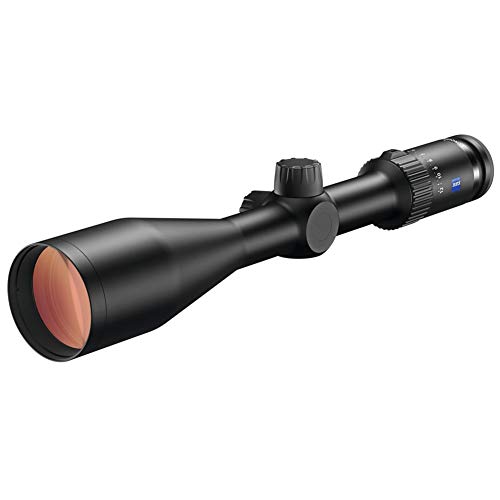
- Fine plex with illuminated dot
- 90% stated light transmission
- Capped elevation and fixed parallax
Best For: Hunters wanting a fine illuminated aiming point
Best for MOA Holdovers
ZEISS Conquest V4 4-16x50 ZMOA-1

- 1 MOA reticle hashmarks
- 0.25 MOA turret with Ballistic Stop
- Listing conflicts on illumination
Best For: Hunters wanting MOA holds and turret adjustments
Best for Simple Aiming
ZEISS Conquest V4 3-12x56 Z-Plex

- 3–12x zoom range
- Fine, non-illuminated crosshairs
- Objective size conflicts in listing
Best For: Hunters preferring a capped turret and simple reticle
Best for Illuminated Holds

- Illuminated center aiming point
- Tree reticle with 1 MOA marks
- Ballistic Stop and adjustable parallax
Best For: Open-terrain hunters wanting illumination and MOA holds
Best for Fine Crosshair Aiming
ZEISS Conquest V4 4-16x44 Z-Plex

- Fine, non-illuminated Reticle #20
- 4-16x magnification with adjustable parallax
- Ballistic Stop; 0.25 MOA elevation clicks
Best For: Daylight hunting and fine aiming at smaller targets
Best for Dark Backgrounds
ZEISS Conquest V4 6-24x50 ZMOAi-20

- Illuminated reticle with thicker lines
- 6-24x magnification and 50 mm objective
- Ballistic Stop; 0.25 MOA elevation clicks
Best For: Hunting against tree lines or dark-colored game
Best for a Fine Illuminated Dot
ZEISS Conquest V4 6-24x50 Illum Plex

- Fine Plex reticle with illuminated dot
- 6-24x magnification and 50 mm objective
- Ballistic Stop; 0.25 MOA elevation clicks
Best For: Hunting with a fine reticle and lit aiming point
Simple Hunting Pick – ZEISS Conquest V4 3-12×44 Z-Plex
Among ZEISS rifle scopes, this 3-12×44 Conquest V4 is a straightforward choice for hunters who prefer a fine, non-illuminated crosshair and capped turrets. Its 4x zoom range lets you widen the view or bring details closer without adding a complex reticle.
Best For: Hunters who want a simple aiming setup for daylight use.
Pros:
- 90% stated light transmission and ZEISS T* coating support a clear, high-contrast view.
- LotuTec coating helps keep the view clear in wet weather.
- Fine Z-Plex Reticle #20 allows precise aiming on smaller targets.
Cons:
- The reticle is not illuminated.
- Fixed parallax offers less adjustment than an adjustable-parallax scope.
Choose this model if you value uncomplicated controls and a fine crosshair more than illumination or a holdover reticle.
ZEISS Conquest V4 4-16x44 Rifle Scope w/Exposed Elevation Turret, ZBR-2#92 522931-9992-080
Check Price On AmazonThis 4-16×44 model stands out among ZEISS rifle scopes for its exposed elevation turret and ZBR-2 reticle. The 4x zoom range gives you room to adjust magnification, while the listed HD lens and ZEISS T* six-layer multi-coating round out its optical specification.
Best For: Shooters who want an exposed elevation turret on a 4-16×44 scope.
Pros:
- Exposed elevation turret is accessible without removing a cap.
- HD lens and ZEISS T* six-layer multi-coating are listed optical features.
- LotuTec hydrophobic coating and nitrogen purging are specified.
Cons:
- An exposed turret may not suit buyers who prefer covered controls.
- The supplied specifications do not state whether the reticle is illuminated.
It is worth a look if turret access is a priority; confirm any reticle details important to your setup before buying.
For buyers comparing ZEISS rifle scopes at higher magnification, this 6-24×50 Conquest V4 pairs a ZMOA-1 reticle with 1 MOA hashmark graduations, an external elevation turret, and adjustable parallax. Those features make it a more involved aiming setup than a basic crosshair scope.
Best For: Shooters who want MOA holdover references and an adjustable elevation turret.
Pros:
- 1 MOA reticle graduations provide references for elevation, windage, and ranging.
- External multi-turn elevation turret offers 0.25 MOA clicks and a ballistic stop.
- Adjustable parallax, 90% stated light transmission, and LotuTec coating are listed features.
Cons:
- Its 6x minimum magnification provides less low-end range than the 3x models here.
- The supplied title and details describe illumination, but a bullet calls Reticle #93 non-illuminated; verify the configuration before ordering.
Choose it for its MOA references and elevation controls, but resolve the conflicting illumination information if that feature matters to you.
If you want an illuminated aiming point without a busy reticle, this 3-12×56 Conquest V4 is a ZEISS rifle scopes option to consider. Its fine Reticle #60 leaves the target largely unobstructed, while the dot has settings described for both daylight and night hunting.
Best For: Hunters who prefer an illuminated dot and a fine plex reticle.
Pros:
- Reticle #60 combines minimal target coverage with an illuminated dot.
- 90% stated light transmission and ZEISS T* coating support viewing in challenging light.
- LotuTec coating helps maintain a clear view in wet weather.
Cons:
- Fixed parallax limits adjustment.
- Capped elevation is less immediately accessible than an exposed turret.
This is the better fit when a fine illuminated aiming point matters more to you than on-the-fly turret access.
Best for MOA Holdovers – ZEISS Conquest V4 4-16×50 ZMOA-1
Among ZEISS rifle scopes, this Conquest V4 suits hunters who want 4–16x magnification and a reticle marked for measured corrections. Its 50 mm objective, stated 90% light transmission, and ZEISS T* coating support a clear view when light is limited.
Best For: Hunters who prefer a non-illuminated MOA reticle and an exposed elevation turret for longer shots.
Pros:
- ZMOA-1 reticle has 1 MOA hashmarks for holdovers, windage, and ranging.
- External elevation turret offers 0.25 MOA clicks and a Ballistic Stop.
- Adjustable parallax and LotuTec coating add practical flexibility in varied conditions.
Cons:
- The supplied reticle description identifies #93 as non-illuminated, despite “Illum” in the listing title.
- 4x minimum magnification offers less low-end range than the 3–12×56 model here.
Choose this version if precise MOA references matter more than illumination; verify the reticle configuration before ordering because the listing details conflict.
Best for Simple Aiming – ZEISS Conquest V4 3-12×56 Z-Plex
For shoppers comparing ZEISS rifle scopes with uncomplicated controls, this Conquest V4 pairs a 3–12x zoom range with a fine-crosshair Z-Plex reticle. ZEISS lists 90% light transmission, T* lens coating, and LotuTec for visibility in dim or wet conditions.
Best For: Hunters who want a straightforward, non-illuminated reticle and a capped elevation turret.
Pros:
- 3–12x magnification provides a useful 4x zoom range.
- Fine crosshairs and arrow-shaped posts help with precise aiming at smaller targets.
- Capped elevation turret reduces exposure of the adjustment control.
Cons:
- Fixed parallax offers less adjustment than the 4–16×50 models here.
- The reticle is non-illuminated.
This is the simpler hunting setup in the group. Confirm the objective size before purchase: the title and included-component description say 56 mm, while the supplied specifications list 50 mm.
Best for Illuminated Holds – ZEISS Conquest V4 4-16×50 ZBi
This Conquest V4 stands out among ZEISS rifle scopes for its illuminated ZBi tree reticle, designed for open terrain and longer-range hunting. The 4–16x magnification, stated 90% light transmission, and ZEISS T* coating round out its low-light-oriented feature set.
Best For: Hunters who want an illuminated center aiming point alongside MOA-based holdover references.
Pros:
- Center-section illumination provides a defined aiming point in low light.
- Tree-style reticle has 1 MOA hashmarks for corrections in windy conditions.
- External turret combines 0.25 MOA clicks with a Ballistic Stop; parallax is adjustable.
- LotuTec coating helps maintain a clear view in wet weather.
Cons:
- Only the center section illuminates, not the entire reticle.
- 4x minimum magnification is higher than the 3x minimum of the Z-Plex model here.
Pick this version when an illuminated aiming point and holdover grid are both priorities; the non-illuminated ZMOA-1 model is the alternative for simpler MOA hashmarks.
Best for Fine Crosshair Aiming – ZEISS Conquest V4 4-16×44 Z-Plex
Among these ZEISS rifle scopes, the Conquest V4 4-16×44 is the choice for hunters who want a fine, non-illuminated crosshair rather than a lit aiming point. Its 4-16x range, adjustable parallax, and external elevation turret suit precise aiming across varied distances.
Best For: Daylight hunting and aiming at smaller targets with a fine crosshair.
Pros:
- Reticle #20 has fine crosshairs and arrow-shaped posts to help guide the eye toward the aiming point.
- ZEISS specifies 90% light transmission, with T* coatings for contrast and LotuTec for a clearer view in wet weather.
- Ballistic Stop and a multi-turn elevation turret provide a zero reference and 0.25 MOA clicks.
Cons:
- The reticle is not illuminated, so it may be harder to pick up against dark backgrounds.
- Its 16x maximum offers less magnification than the two 6-24×50 models here.
Choose this version if fine-line precision matters more to you than illumination or a 24x top end. The supplied specifications conflict on objective diameter—the title says 44 mm, while the details say 40 mm—so verify that measurement before buying.
Best for Dark Backgrounds – ZEISS Conquest V4 6-24×50 ZMOAi-20
If you’re comparing ZEISS rifle scopes for higher-magnification hunting, this Conquest V4 pairs a 6-24×50 configuration with an illuminated ZMOAi-20 reticle. ZEISS describes its thicker reticle lines as easier to see against dark backgrounds, including tree lines and dark-colored game.
Best For: Hunters who want a visible illuminated reticle against dark backgrounds and up to 24x magnification.
Pros:
- Illuminated Reticle #89 uses thicker 0.12 MOA lines at 24x for visibility against dark backgrounds.
- ZEISS specifies 90% light transmission, T* contrast-enhancing coatings, and a LotuTec weather-shedding coating.
- Adjustable parallax, Ballistic Stop, and a multi-turn elevation turret with 0.25 MOA clicks support deliberate adjustments.
Cons:
- The 6x minimum provides less low-end magnification than the 4-16x model here.
- The thicker reticle lines may appeal less to buyers who prefer a very fine crosshair.
The key reason to pick this version over the other 6-24×50 is its ZMOAi-20 reticle: it prioritizes visibility against dark backgrounds rather than the finer, minimally covering Plex design.
Best for a Fine Illuminated Dot – ZEISS Conquest V4 6-24×50 Illum Plex
Of these ZEISS rifle scopes, the Conquest V4 6-24×50 with Reticle #60 is the option for buyers who want illumination without a heavy-looking aiming pattern. Its fine Plex reticle leaves relatively little target coverage, while the illuminated dot is described as adjustable for both daylight and night hunting.
Best For: Hunters who want a fine reticle with an illuminated aiming dot.
Pros:
- Fine Reticle #60 minimizes target coverage and adds a dot bright enough for day hunting.
- The dot’s adjustment range is also described as suitable for night hunting.
- ZEISS specifies 90% light transmission, T* and LotuTec coatings, plus Ballistic Stop and 0.25 MOA elevation clicks.
Cons:
- The 6x minimum gives less low-end magnification than the 4-16x model here.
- Its fine lines may be less conspicuous against dark backgrounds than the thicker ZMOAi-20 reticle.
Pick this model when minimal target obstruction is your priority but you still want a lit aiming point. If visibility of the entire reticle against dark timber matters more, compare it with the ZMOAi-20 version.
How We Picked These Zeiss Rifle Scopes
We compared the 10 selected Conquest V4 configurations by their listed magnification range, objective diameter, reticle, illumination, and turret style. Those differences affect field of view, aiming options, and how you make elevation adjustments. We did not treat a larger objective or higher top-end magnification as an automatic upgrade: the best choice depends on your rifle and typical shooting distance.
Quick Comparison
3-12×44: A versatile starting point for hunters who want a 12x ceiling without moving to a 50 mm or 56 mm objective. The listed Z-Plex version has capped turrets.
3-12×56: Choose between Z-Plex and illuminated Illu Plex configurations if you want a larger objective while keeping a 3x low end. Consider scope height and available mounting clearance.
4-16×44 and 4-16×50: These add magnification for more deliberate shots. Options include simple Z-Plex, an exposed-elevation ZBR-2 configuration, and illuminated reticles in the 50 mm models.
6-24×50: These are the highest-magnification choices in this list, with illuminated ZMOAi or Illu Plex reticles. They make the most sense when 24x is useful and a 6x low end suits your shooting.
Key Buying Factors for Zeiss Rifle Scopes
Magnification and Objective Size
Match the low end to how quickly and closely you may need to acquire a target; compare the high end with the distances at which you actually shoot. More magnification can help with precise aiming, but it narrows the field of view. A larger objective may help deliver a brighter image under comparable conditions, but it can also require taller rings. Check rifle fit before choosing a 50 mm or 56 mm model.
Reticle and Illumination
Z-Plex and Illu Plex suit buyers who prefer an uncluttered sight picture; illumination can help the aiming point stand out against a dark background. ZBR-2, ZBi, and ZMOAi options warrant a closer look if you plan to use reticle references. Check each reticle’s instructions and subtension specifications before relying on its markings for holds.
Turrets and Setup
Capped turrets suit a set-and-check approach, while an exposed elevation turret is more convenient if you intend to dial between distances. Confirm the exact adjustment specifications for the model you buy, then verify your zero and any hold or dialing data at the range. Also check ring diameter, mounting space, and eye relief against your rifle setup.
Who Should Buy Which Zeiss Rifle Scopes?
For general hunting, start with the 3-12×44 Z-Plex or a 4-16×44 if you want more magnification. For hunts where an illuminated aiming point matters, compare the 3-12×56 Illu Plex with the illuminated 4-16×50 choices. If you plan to dial elevation, prioritize the configurations listed with an exposed elevation turret. For deliberate longer-range shooting, consider the 6-24×50 models—but choose the reticle and turret arrangement you will actually use, not simply the highest magnification.