Elk hunts can move from frosty dawns to wet timber and strenuous climbs in the same day. The right coveralls help protect against cold, wind, brush, and light precipitation without making every step noisy or uncomfortable.
This roundup compares 10 hunting coveralls for elk hunting across insulation levels, camouflage patterns, fabric noise, weather protection, scent-control features, and overall versatility, so you can match your clothing system to your terrain and season.
Best 10 Hunting Coveralls for Elk Hunting Picks for 2026
Wet-Weather Warmth
Guide Gear Dry Waterproof Coveralls

- Waterproof/breathable membrane for rain and snow
- 150-gram Thinsulate insulation
- Hood and multiple secure pockets
Best For: Cold, wet-weather elk hunts
Heat-Retention Performance
ArcticShield Classic Elite Coverall

- Waterproof, windproof, breathable shell
- Heat-retention lining with scent control
- Inner suspenders and boot-friendly leg zippers
Best For: Cold, changeable elk-hunting conditions
Layer-Friendly Bib Coverage
Realtree Insulated Hunting Bibs

- Relaxed fit for layering
- Insulated water-resistant TPU-laminated shell
- Seven pockets and 16-inch leg zippers
Best For: Cold hunts where flexible bib layering is preferred
Heavyweight Cold-Weather Value

- Heavyweight polycotton twill shell
- 6-ounce poly-fiberfill insulation
- Storm flap, cuffs, and boot-access zippers
Best For: Cold, dry hunts and outdoor work
Lightweight Scent Control
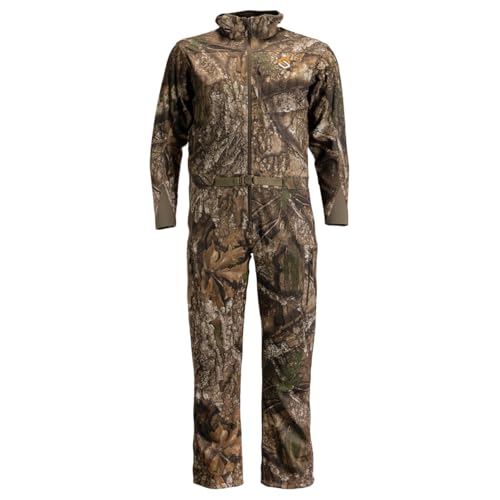
- Cooling, moisture-wicking polyester for warm hunts
- Carbon Alloy scent-control technology
- Integrated hood, facemask, and seven pockets
Best For: Early-season elk hunting in warm conditions
Quiet Cold-Weather Set
Men's Fleece-Lined Camo Hunting Suit
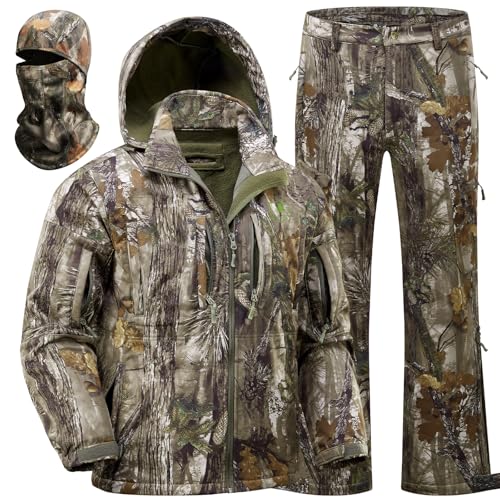
- Fleece lining adds lightweight warmth
- Quiet fabric helps reduce movement noise
- Fifteen pockets provide extensive storage
Best For: Cold-weather elk hunts requiring adjustable layers
Wet-Weather Insulation
Drencher Waterproof Camo Coverall

- Waterproof, windproof construction with taped seams
- 180 grams of insulation for added warmth
- S3 Silver odor-control technology and five pockets
Best For: Cold, rainy, and windy elk hunts
Lightweight Mobility Pick
Mossy Oak Cotton Mill Flex Bibs

- Stretch fabric and articulated knees improve mobility
- Lightweight, quiet cotton-blend construction
- Uninsulated design suits milder conditions
Best For: Active hunters and spring-to-fall elk hunts
Cold-Weather Full-Coverage Pick

- Insulated for cold hunting conditions
- Quiet cotton twill shell supports stealth
- Zippers simplify dressing and removal
Best For: Layered cold-weather elk hunts
Quiet Waterproof Bib Pick
Hunthor Insulated Hunting Bibs

- 140g insulation targets temperatures down to 14°F
- Waterproof membrane and taped seams add weather protection
- Quiet fleece shell and rugged lower legs suit brushy terrain
Best For: Late-season elk hunting in cold, damp conditions
Wet-Weather Warmth – Guide Gear Dry Waterproof Coveralls
Guide Gear Men's Dry Waterproof Hunting Coveralls with Hood, Insulated Camo Hunt Overalls RT APX XL
Check Price On AmazonFor cold, rainy, or snowy hunts, these hunting coveralls for elk hunting combine a waterproof/breathable membrane with 150-gram Thinsulate insulation. The Realtree APX camouflage, hood, and regular fit make them a practical choice for staying warm and concealed in demanding conditions.
Best For: Cold, wet-weather elk hunts where full-body insulation and weather protection matter.
Pros:
- Waterproof and breathable construction helps manage rain and snow.
- 150-gram Thinsulate insulation provides comfortable warmth over layers.
- Multiple snap- and zipper-closure pockets offer organized storage.
- Included hood and Realtree APX camouflage support coverage and concealment.
Cons:
- Medium-weight polyester construction may be warmer than needed for mild conditions.
- Regular fit may require careful sizing when worn over bulky layers.
This is the strongest all-around option here for elk hunters expecting sustained moisture and cold. Its insulation, hood, and pocket layout favor practical field protection over lightweight simplicity.
Heat-Retention Performance – ArcticShield Classic Elite Coverall
The ArcticShield Classic Elite is a practical option among hunting coveralls for elk hunting when wind, cold, and scent management are key concerns. Its waterproof, windproof, breathable construction is paired with heat-retention technology, X-System scent control, and Realtree APX camouflage.
Best For: Cold elk hunts requiring weather protection, scent-control features, and easy access to gear.
Pros:
- Waterproof, windproof, and breathable design protects against changing weather.
- Heat-retention technology and X-System scent control are built into the lining.
- Inner suspenders allow the coverall to be worn open when desired.
- Two-way leg zippers, storm flaps, and adjustable ankle cuffs improve boot access and coverage.
Cons:
- The supplied listing specifies a size Large, so availability may limit sizing choices.
- The features and full-coverall design may feel excessive for warm-weather hunts.
Choose this model if scent control and adaptable cold-weather coverage are priorities. The inner suspenders and extensive zipper layout add versatility for layering and movement in the field.
Layer-Friendly Bib Coverage – Realtree Insulated Hunting Bibs
These Realtree bibs offer a less restrictive alternative to a full one-piece suit for hunting coveralls for elk hunting. The relaxed fit, insulated TPU-laminated polyester construction, and available Realtree camouflage patterns provide warmth, concealment, and room for layering during cold hunts.
Best For: Elk hunters who prefer insulated bib coverage with a relaxed fit and easy boot access.
Pros:
- Insulated, water-resistant construction helps with cold and damp conditions.
- Relaxed classic fit accommodates layering; sizing up is suggested for extra room.
- Seven-pocket storage system keeps hunting essentials organized.
- 16-inch leg zippers with Velcro flaps simplify boot entry and removal.
Cons:
- The fabric has no stretch, which may limit flexibility compared with stretch garments.
- These are bibs rather than a complete hooded coverall, so additional upper-body layers are needed.
- The supplied color is Edge Camo, while other patterns may vary by availability.
For hunters who want warmth without committing to a full one-piece coverall, these bibs are a well-balanced choice. Their relaxed fit, storage, and boot access are especially useful when layering through changing temperatures.
Heavyweight Cold-Weather Value – Rothco Insulated Coveralls
Rothco’s insulated coveralls are a straightforward choice among hunting coveralls for elk hunting when warmth and rugged utility take precedence. The heavyweight polycotton twill shell, 6-ounce poly-fiberfill insulation, storm flap, and elastic cuffs are designed for prolonged time outdoors in cold conditions.
Best For: Cold-weather elk hunts and outdoor work where heavyweight insulation and durable utility are priorities.
Pros:
- Heavyweight 65% polyester/35% cotton shell is suited to rigorous outdoor use.
- 6-ounce poly-fiberfill insulation provides substantial warmth.
- Two-way zipper, storm flap, elastic waist, and knit wrist cuffs help retain heat.
- Leg zippers and lined slash pockets add boot access and hand warmth.
Cons:
- The polycotton shell is not described as waterproof or water resistant.
- Heavyweight construction may be less comfortable for active movement or mild weather.
- The supplied listing specifies a Medium size, which may restrict fit availability.
This model makes the most sense for stationary or slow-moving hunts in genuinely cold conditions. It offers strong insulation and practical construction, but hunters facing frequent rain or snow may prefer a coverall with specified waterproof protection.
Lightweight Scent Control – Savanna Fuse Camo Coverall
If you want lightweight hunting coveralls for elk hunting during warm or early-season conditions, the ScentLok Savanna Fuse is built around cooling comfort, odor control, and easy movement. Its integrated hood and facemask add concealment without requiring as many separate layers.
Best For: Early-season elk hunters who prioritize lightweight comfort, scent management, and full-body concealment.
Pros:
- Cooling-infused, moisture-wicking polyester helps manage heat and sweat.
- Carbon Alloy technology is designed to adsorb and trap human scent.
- Built-in hood, facemask, stretch cuffs, and camouflage support concealment.
- Seven pockets, articulated knees, a gusseted crotch, and a safety harness port add field utility.
Cons:
- Lightweight construction is better suited to warm-weather or early-season use than severe cold.
- The listed regular fit and medium stretch may not suit every layering preference.
This is a practical choice when mobility and cooling matter more than heavy insulation. For warm elk hunts, its scent-control features and integrated concealment make it a particularly streamlined option.
Quiet Cold-Weather Set – Men's Fleece-Lined Camo Hunting Suit
This two-piece option is worth considering if you need hunting coveralls for elk hunting but prefer the flexibility of a jacket-and-pants system. The fleece lining, quiet fabric, water resistance, and generous pocket storage are aimed at cold-weather hunts where layering and gear access matter.
Best For: Elk hunters seeking quiet, lightly insulated coverage with separate jacket and pants for adjustable layering.
Pros:
- Thermal fleece lining provides warmth without the bulk of heavier insulation.
- Quiet material is designed to reduce noise during movement.
- Water-resistant fabric and breathable mesh panels support changing conditions.
- Fifteen pockets offer substantial storage for hunting essentials.
Cons:
- The fabric has no stretch, which may limit flexibility for some users.
- It is a two-piece suit rather than a single coverall.
- The notes describe water resistance, not full waterproof protection.
The separate jacket and pants make this suit adaptable for fluctuating temperatures, while the quiet fleece-lined construction suits slow, deliberate movement. It is a useful cold-weather alternative when a one-piece coverall is not essential.
Wet-Weather Insulation – Drencher Waterproof Camo Coverall
For hunters who expect rain, wind, and colder temperatures, the SCENTBLOCKER Drencher is a strong contender among hunting coveralls for elk hunting. Its taped seams, waterproof and windproof construction, 180 grams of insulation, and odor-control technology are designed for extended time outdoors.
Best For: Elk hunters who need insulated, weather-protective coverage for wet and windy conditions.
Pros:
- RainBlocker technology and taped seams help keep moisture out.
- Windproof construction and 180 grams of insulation add cold-weather protection.
- S3 Silver Technology is designed to help prevent odor.
- Five pockets keep essential items accessible and protected.
Cons:
- Its insulation may be too warm for mild early-season conditions.
- Five pockets provide less storage than some larger hunting suits.
- The insulated design may be less convenient for high-movement hunts than lightweight coveralls.
The Drencher is best suited to foul-weather hunts where staying dry and warm is the priority. Its hooded one-piece design also simplifies layering over base garments while retaining weather and odor protection.
Lightweight Mobility Pick – Mossy Oak Cotton Mill Flex Bibs
For hunters who want lightweight hunting coveralls for elk hunting, these uninsulated Mossy Oak bibs emphasize stretch, quiet comfort, and mobility. The cotton-blend fabric, articulated knees, and double-layered knee panels are useful for moving through brush or kneeling in the field.
Best For: Spring through fall hunts, archery, and active hunters who prioritize flexibility over insulation.
Pros:
- Two-way stretch fabric and articulated knees support comfortable movement.
- Lightweight cotton-blend construction is designed for softness, durability, and quiet use.
- Adjustable shoulder straps, side buttons, and a partial elastic waistband help customize the fit.
- Double-layered knees add protection when crawling or moving through brush.
Cons:
- Uninsulated design is less suited to cold late-season conditions.
- Only a standard 32-inch inseam is listed.
Choose these bibs when mobility and versatility matter most. For cold-weather elk hunting, you will need to add layers because the lightweight design is not built for insulation.
Cold-Weather Full-Coverage Pick – HOT SHOT Insulated Coverall
These insulated hunting coveralls for elk hunting provide one-piece coverage for cold mornings and late-day sits. A cotton twill shell, polyester fill, quilted lining, and quiet design focus on warmth and concealment without making basic movement or changing layers unnecessarily difficult.
Best For: Cold-weather hunts where full-body coverage, warmth, and quiet movement are priorities.
Pros:
- Insulated construction with polyester fill and quilted polyester lining provides added warmth.
- Quiet cotton twill shell helps reduce noise during movement.
- Two-way front zipper and full-length side leg zippers make it easier to put on and remove.
- Generous sizing accommodates layering underneath.
Cons:
- Insulation may be too warm for mild-weather hunts or high-output hiking.
- One-piece construction can be less convenient than separate bibs and a jacket.
This is the more complete cold-weather option of the three. Its generous fit is practical for layering, while the quiet shell and full coverage suit stationary elk hunting in colder conditions.
Quiet Waterproof Bib Pick – Hunthor Insulated Hunting Bibs
Hunthor’s insulated hunting coveralls for elk hunting are built for late-season conditions, combining 140g insulation with a quiet fleece outer shell and waterproof construction. Adjustable straps, leg zippers, and lower-leg protection make these bibs practical for walking through rugged woodland terrain.
Best For: Late-season elk hunters who need warmth, weather resistance, quiet fabric, and bib-style layering flexibility.
Pros:
- 140g insulation is designed for cold-weather hunting down to 14°F.
- Waterproof membrane and taped seams help block frost, gusts, and light snow.
- Quiet fleece fabric and the Next Camo G2 pattern support concealed movement.
- Adjustable elastic straps, leg zippers, utility pockets, and abrasion-resistant lower legs add practical field features.
Cons:
- Insulated construction can be warmer and bulkier than lightweight uninsulated bibs.
- The notes specify protection from light snow rather than heavy precipitation.
These bibs offer the strongest combination of warmth, weather protection, and field durability in this group. They are a good match for late-season elk hunts, especially when brush and changing winter conditions are concerns.
How We Picked the Best Hunting Coveralls for Elk Hunting
We evaluated these coveralls by focusing on the conditions elk hunters are most likely to face: cold starts, changing weather, steep approaches, dense vegetation, and long periods of stillness. Key considerations included insulation, water resistance, breathability, fabric noise, mobility, camouflage coverage, pocket layout, closures, hood or face coverage, and expected layering room.
We also included different construction styles rather than treating every one-piece suit as interchangeable. Some options prioritize warmth and full weather protection, while others are lighter, quieter, or better suited to layering over base and mid layers. Product descriptions and stated features were considered alongside practical fit and use-case differences.
Quick Comparison
| Best For | Look For | Most Useful Feature |
|---|---|---|
| Cold late-season sits | Heavy insulation and wind protection | Warmth during inactivity |
| Wet or snowy weather | Waterproof shell and sealed construction | Weather resistance |
| Stealthy close-range hunting | Quiet brushed or fleece-lined fabric | Reduced movement noise |
| Active mountain hunts | Lightweight, breathable construction | Mobility and heat management |
| Layering across seasons | Roomy cut with adjustable openings | Versatility |
Key Buying Factors for Hunting Coveralls for Elk Hunting
Warmth Versus Mobility
Insulated coveralls are valuable for glassing, calling, and stationary ambushes, but heavy fill can become uncomfortable during steep climbs. If your hunt involves frequent elevation changes, choose a midweight or lightweight design that leaves room for a separate insulating layer.
Weather Protection
Water-resistant fabric can handle light precipitation and damp brush, while waterproof construction is preferable for sustained rain, wet snow, or sitting against saturated vegetation. Check the hood, cuffs, zippers, and pocket closures—not just the shell material.
Noise, Fit, and Layering
Elk have excellent hearing, so fabric noise matters when drawing a bow or closing distance. Brushed, fleece-lined, or soft-shell materials are generally better choices than loud, stiff shells. Confirm chest, inseam, and sleeve measurements, and allow enough room for base layers without creating excess fabric that snags.
Camouflage and Scent Features
Choose a pattern that suits your terrain, but prioritize concealment, movement control, and wind awareness over pattern branding. Scent-control treatments may help reduce odor, but they do not replace laundering, storage discipline, and hunting into favorable wind.
Who Should Buy Which Hunting Coveralls for Elk Hunting?
Choose heavily insulated coveralls if you hunt late-season elk, spend long periods stationary, or commonly face subfreezing mornings. Choose waterproof coveralls for wet climates, snow, and hunts where staying dry is more important than minimum weight.
Choose quiet midweight coveralls if you prioritize close-range archery, timber hunting, or versatile layering. Choose lightweight or scent-focused coveralls for active hunts where overheating and odor management are bigger concerns. Finally, look for roomy bib-style or adjustable designs if you prefer modular layers and easier temperature control throughout the day.