The best lightweight hunting coveralls make it easier to stay concealed, comfortable, and mobile through changing conditions. This lineup includes breathable uninsulated options, insulated designs, waterproof coveralls, and adaptable bib-style layers.
Use the guide below to compare warmth, fabric noise, weather resistance, fit, storage, and layering needs before choosing your next hunting outfit.
Best 10 Lightweight Hunting Coveralls Picks for 2026
Best Lightweight Pick
ScentLok Savanna Fuse Camo Coverall
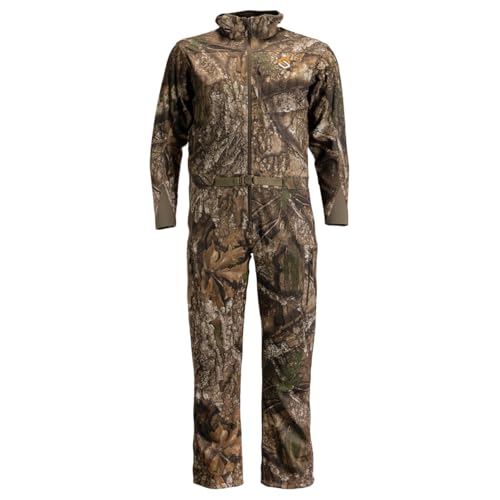
- Cooling, moisture-wicking polyester for warm hunts
- Carbon Alloy scent-control technology
- Integrated hood, facemask, and seven pockets
Best For: Early-season whitetail hunters needing breathable concealment
Best Cold-Weather Option

- 6-ounce poly-fiberfill insulation for warmth
- Storm flap and knit wrist cuffs help seal out cold
- Pockets and leg zippers support outdoor utility
Best For: Cold-weather hunts and extended outdoor work
Best Layering Bibs
Realtree Cotton Camo Bib Overalls

- Uninsulated design supports flexible layering
- Cotton-spandex fabric allows mobility
- Adjustable straps and multiple storage pockets
Best For: All-season outdoor use with customizable layering
Best Rugged Insulated Workwear
Bass Creek Camo Insulated Coveralls

- Cotton shell with insulated polyester interior
- Full zipper and practical work pockets
- Flexible design for active cold-weather tasks
Best For: Cold-weather hunting and demanding outdoor work
Lightweight Scent-Control Bibs
Scent Blocker Shield Series Bibs

- Lightweight 60/40 cotton-polyester fabric
- Seven pockets and adjustable straps
- S3 silver-ion scent-control technology
Best For: Lightweight camouflage coverage with storage and odor management
Lightweight Utility Camo

- 98% cotton, 2% spandex construction
- Relaxed fit with adjustable straps
- Five-pocket design for everyday storage
Best For: Breathable spring and autumn hunting, work, and casual wear
Quiet Weather-Ready Suit
TIDEWE Silent Fleece Hunting Suit

- Quiet fabric with magnetic closures
- Water-resistant shell and fleece lining
- Nine total pockets with adjustable fit
Best For: Cool-weather hunting with quiet, light-weather protection
Best with Extra Features

- Lightweight cotton-spandex fabric
- Adjustable straps with medium stretch
- Five deep pockets for utility
Best For: Mild-weather hunting, hiking, fishing, and outdoor work
Best Insulated Wet-Weather Pick
ScentBlocker Drencher Coverall

- Waterproof and windproof construction
- 180 grams of insulation for warmth
- Five pockets plus odor-control technology
Best For: Cold, wet hunts requiring warmth and weather protection
Best Cold-Weather Value

- 150-gram Thinsulate insulation
- Waterproof breathable membrane
- Six pockets and an integrated hood
Best For: Cold, wet, or snowy hunting conditions
Best Lightweight Pick – ScentLok Savanna Fuse Camo Coverall
For warm-weather hunts, the ScentLok Savanna Fuse is a strong lightweight hunting coveralls option. Its cooling-infused polyester, moisture-wicking treatment, and breathable construction are designed to help you stay comfortable while the Carbon Alloy technology supports scent control.
Best For: Early-season whitetail hunters who want lightweight coverage, concealment, and integrated scent-control features.
Pros:
- Lightweight, cooling-infused polyester fabric supports warm-weather comfort.
- Carbon Alloy technology adsorbs and traps human scent.
- Built-in hood and facemask provide additional concealment.
- Seven pockets, articulated knees, gusseted crotch, and a safety harness port add field utility.
Cons:
- Lightweight construction is geared toward warm conditions rather than cold-weather insulation.
- Regular fit and medium stretch may not suit every layering preference.
This is the most purpose-built choice here for warm-weather hunting. Choose it when breathability, scent management, and all-in-one concealment matter more than insulation.
Best Cold-Weather Option – Rothco Insulated Coveralls
The Rothco Insulated Coveralls are designed for cold-weather outdoor use rather than lightweight layering. A polycotton twill shell, 6-ounce poly-fiberfill insulation, storm flap, and thermal-sealing cuffs provide substantial protection for hunters spending extended time outside.
Best For: Cold-weather hunting and outdoor work when warmth and durable utility are higher priorities than low weight.
Pros:
- 6-ounce insulation helps retain body heat in cold conditions.
- Two-way zipper and snap-button storm flap improve heat retention.
- Leg zippers make it easier to put on or remove boots.
- Front slash pockets and a chest pocket provide practical storage.
Cons:
- Heavyweight 3.6-pound construction is not a lightweight hunting coveralls choice.
- The fabric has no stretch, which may limit flexibility compared with stretch hunting garments.
- Its insulated design may be too warm for mild or early-season hunts.
Rothco makes more sense for winter sits, cold outdoor work, and prolonged exposure. If your priority is lightweight mobility in warmer weather, consider a different style.
Best Layering Bibs – Realtree Cotton Camo Bib Overalls
The Realtree Men’s Camo Bib Overalls offer an uninsulated alternative for hunters who prefer adjustable layering. Their cotton-blend construction includes 2% spandex for mobility, while adjustable shoulder straps and a relaxed fit help accommodate different body sizes and base layers.
Best For: All-season outdoor activities where flexible layering, durable cotton fabric, and bib-style storage are preferred.
Pros:
- Uninsulated design works across changing conditions with layers underneath.
- 98% cotton and 2% spandex construction supports durability and movement.
- Adjustable buckle straps and relaxed fit improve comfort and flexibility.
- Chest, back, and side pockets provide useful storage.
Cons:
- Bib overalls do not provide the full upper-body coverage of one-piece coveralls.
- Cotton construction may be less suited to wet conditions than specialized technical fabric.
- Users planning to layer may need to size up.
These bibs are a practical choice when you want adaptable coverage instead of built-in insulation. They are especially useful for hunts, farm work, fishing, and other outdoor activities with changing temperatures.
Best Rugged Insulated Workwear – Bass Creek Camo Insulated Coveralls
The Bass Creek Outfitters insulated coveralls combine a durable cotton shell with a polyester lining and filling for cooler work and outdoor conditions. The full front zipper, practical pockets, and flexible design make them a work-oriented alternative among lightweight hunting coveralls, though their heavyweight construction favors warmth over minimal bulk.
Best For: Cold-weather hunting, job sites, garage work, and other hands-on activities requiring insulated one-piece coverage.
Pros:
- Insulated lining and filling provide warmth in cooler conditions.
- Full front zipper makes gearing up straightforward.
- Pockets keep tools, gloves, and small essentials accessible.
- Flexible fit supports bending, lifting, and reaching.
Cons:
- Heavyweight, no-stretch construction is not ideal for warm-weather hunts.
- The workwear-focused design may offer fewer hunting-specific features than the ScentLok option.
- Insulation can be excessive when temperatures are mild.
Choose Bass Creek when you need rugged, insulated coverage that can transition between outdoor work and cold-weather hunting. For early-season comfort or a lighter feel, its heavyweight build may be more than necessary.
Lightweight Scent-Control Bibs – Scent Blocker Shield Series Bibs
These Scent Blocker bibs are a practical option for lightweight hunting coveralls when you want durable everyday coverage without a heavy fabric weight. The 60/40 cotton-polyester construction, adjustable straps, seven pockets, and integrated silver-ion scent-control technology make them suited to long days outdoors.
Best For: Hunters who want lightweight camouflage bibs with plenty of storage and built-in odor management.
Pros:
- Lightweight 60/40 cotton-polyester fabric.
- Seven functional pockets keep essential gear accessible.
- Adjustable shoulder straps and side waist closures support a secure fit.
- Integrated S3 silver-ion technology helps reduce odors.
Cons:
- The bib design does not provide full upper-body coverage like a one-piece suit.
- The medium-weight protection associated with heavier outerwear is not specified.
Choose these bibs if you prefer a flexible hunting layer with useful storage and scent-control features. They are less suited to shoppers seeking insulated or weatherproof coveralls.
Lightweight Utility Camo – Bindefon Men's Camo Overalls
Bindefon’s overalls offer a casual, flexible take on lightweight hunting coveralls. Made from 98% cotton and 2% spandex, these olive-green camo bibs have a relaxed fit, low stretch, adjustable straps, and five pockets for outdoor work, hunting, or everyday wear.
Best For: Shoppers seeking breathable, lightweight camo overalls for spring and autumn activities, work, or casual outdoor use.
Pros:
- Lightweight cotton fabric with a small amount of spandex.
- Relaxed straight-leg fit supports easy movement.
- Five pockets provide basic gear storage.
- Adjustable straps help customize the fit.
Cons:
- The low-stretch fabric may feel less flexible than performance hunting apparel.
- No water-resistant, insulated, or scent-control features are listed.
- Designed as bib overalls rather than a complete long-sleeve coverall suit.
This is a versatile choice when comfort and everyday utility matter more than specialized hunting protection. For wet or cold conditions, you may need additional layers.
Quiet Weather-Ready Suit – TIDEWE Silent Fleece Hunting Suit
The TIDEWE two-piece suit is a more protective alternative to basic lightweight hunting coveralls. Its quiet fabric and magnetic closures are designed to reduce noise, while the water-resistant shell, fleece lining, adjustable components, and roomy fit support hunting in cooler, changeable conditions.
Best For: Hunters who need quiet, warm, water-resistant jacket-and-pants coverage for deer, turkey, or elk hunting.
Pros:
- Quiet fabric and magnetic closures help minimize noise.
- Water-resistant exterior helps repel light rain and snow.
- Fleece lining provides warmth while allowing room for a base layer.
- Nine total pockets offer substantial storage for hunting essentials.
Cons:
- Medium-weight fleece construction is less lightweight than unlined bibs.
- The fabric has no stretch.
- The safety strap for the rear harness opening is not included.
Consider this suit when warmth, quiet movement, and light-weather protection are higher priorities than minimal bulk. It is a complete two-piece outfit rather than a simple lightweight bib layer.
Best with Extra Features – Yuanbang Camo Bib Overalls
If you want lightweight hunting coveralls that can also handle everyday outdoor work, the Yuanbang camo bib overalls offer a flexible option. Their cotton-spandex fabric has medium stretch, while adjustable straps and a regular fit make layering and movement easier.
Best For: Spring and fall hunting, hiking, fishing, gardening, and general outdoor work.
Pros:
- Lightweight 98% cotton and 2% spandex fabric with medium stretch.
- Adjustable straps and a loose, flexible fit support comfortable movement.
- Five deep pockets and a zipper closure provide practical storage and access.
- Versatile camouflage design suits hunting and several work or outdoor activities.
Cons:
- Not listed as waterproof or insulated for severe wet or cold conditions.
- Thick fabric may feel warmer than some ultralight options.
The Yuanbang bibs are a practical choice when low weight, stretch, and everyday versatility matter more than specialized weather protection. Consider them for milder conditions or pair them with layers as temperatures change.
Best Insulated Wet-Weather Pick – ScentBlocker Drencher Coverall
SCENTBLOCKER Drencher Insulated Waterproof Camo Hunting Coverall for Men (RT APX, XX-Large)
Check Price On AmazonThe ScentBlocker Drencher is a weather-focused alternative to lightweight hunting coveralls, combining waterproof and windproof construction with 180 grams of insulation. It is designed for hunters who need warmth, rain protection, and odor-control features in one outer layer.
Best For: Cold, wet hunts, including spot-and-stalk outings, tree-stand sessions, and active hunts in changing weather.
Pros:
- RainBlocker technology and taped seams help keep water out.
- Windproof, breathable construction supports comfort during outdoor use.
- 180 grams of insulation provide warmth in colder conditions.
- Five pockets help secure hunting essentials, while S3 Silver Technology targets odor prevention.
Cons:
- Medium-weight construction is less suitable when minimum bulk is the priority.
- Low stretch may limit flexibility compared with stretch bibs.
- Insulation can be too warm for mild early-season conditions.
The Drencher is better viewed as a protective, insulated coverall than a truly ultralight layer. Choose it when waterproofing, warmth, and odor control are more important than packability or maximum freedom of movement.
Best Cold-Weather Value – Guide Gear Dry Hunt Coveralls
Guide Gear’s Dry Hunt coveralls are built for hunters facing cold, soggy conditions. Although they are not the lightest option in this group, the waterproof breathable membrane, hood, and 150-gram Thinsulate insulation make them a dependable choice for demanding weather.
Best For: Cold rainy or snowy hunts where insulation, concealment, and secure storage are priorities.
Pros:
- 150-gram Thinsulate insulation adds warmth over base layers.
- Waterproof breathable membrane helps protect against rain and snow.
- Six pockets, including hidden zipper pockets, provide substantial storage.
- Classic fit and a hood support coverage in demanding conditions.
Cons:
- Fully insulated polyester construction is less lightweight than uninsulated coveralls.
- No stretch is specified, so mobility may depend on the classic fit and layering.
- Designed for cold weather and may be excessive for warm-season hunts.
This Guide Gear model makes sense when reliable coverage matters more than a minimal layer. Its insulation and weather-resistant design are suited to harsh hunts, while the pocket layout helps keep essential gear organized.
How We Picked the Best Lightweight Hunting Coveralls
We evaluated these Lightweight Hunting Coveralls by focusing on the features that matter most in the field: construction, insulation, weather protection, mobility, noise level, storage, and versatility. The selection includes traditional coveralls, bib overalls, and full hunting jumpsuits so you can compare different approaches to layering and concealment.
We also considered whether each design is better suited to mild-weather hunts, cold-weather sits, wet conditions, work around camp, or general outdoor use. Product descriptions and available specifications were weighed carefully, but fit and performance can vary by body shape, activity level, and local weather.
Quick Comparison
| Best For | Look For | Recommended Type |
|---|---|---|
| Warm, active hunts | Breathable fabric and lighter construction | Uninsulated coveralls or cotton bibs |
| Cold-weather hunting | Insulation and room for base layers | Insulated coveralls |
| Wet or snowy conditions | Waterproof shell, sealed construction, and hood | Waterproof hunting coveralls |
| Quiet movement | Soft, low-noise fabric | Fleece-lined or silent-fabric designs |
| Flexible layering | Adjustable straps and roomy cuts | Bib overalls |
Key Buying Factors for Lightweight Hunting Coveralls
Warmth and Layering
Uninsulated coveralls are usually the most flexible choice because you can add a base layer, fleece, or puffy jacket as temperatures change. Insulated models simplify cold-weather dressing but may feel too warm during long walks or early-season hunts. Choose a cut with enough room to layer without restricting your stride or shoulder movement.
Weather Protection
For rain, wet brush, and snow, prioritize water-resistant or waterproof materials. A hood, covered closures, reinforced seat and knees, and secure cuffs can improve protection. Remember that waterproof shells may be less breathable and sometimes noisier than cotton or fleece-based fabrics.
Noise, Camouflage, and Comfort
Quiet fabric is especially important during close-range hunting. Fleece-lined or soft-shell materials can reduce rustling, while camouflage should match the terrain and season rather than simply looking appealing. Adjustable suspenders, elastic or articulated sections, a comfortable waistband, and durable stitching help coveralls remain wearable during long sits.
Pockets and Practical Details
Check pocket placement, zipper access, closures, and storage capacity. Handwarmer pockets are useful in cold weather, while large cargo pockets help carry calls, gloves, licenses, and small tools. Reinforced high-wear areas can extend service life if you walk through thick cover or use the garment for camp chores.
Who Should Buy Which Lightweight Hunting Coveralls?
Choose an uninsulated coverall or cotton bib if you hunt in mild temperatures, stay active, or want maximum flexibility with layering. Insulated coveralls are a better fit for cold blinds, late-season hunts, and users who prefer an all-in-one solution. Waterproof insulated models make the most sense for exposed, wet, or snowy environments where staying dry is as important as staying warm.
If silent movement is your priority, focus on soft or explicitly quiet fabric and test the garment’s closures before heading into the field. Bib-style options suit buyers who want easier ventilation and layering, while full coveralls provide more complete coverage and fewer gaps between jacket and pants. Before ordering, compare the size chart with your measurements and leave enough room for the layers you expect to wear.